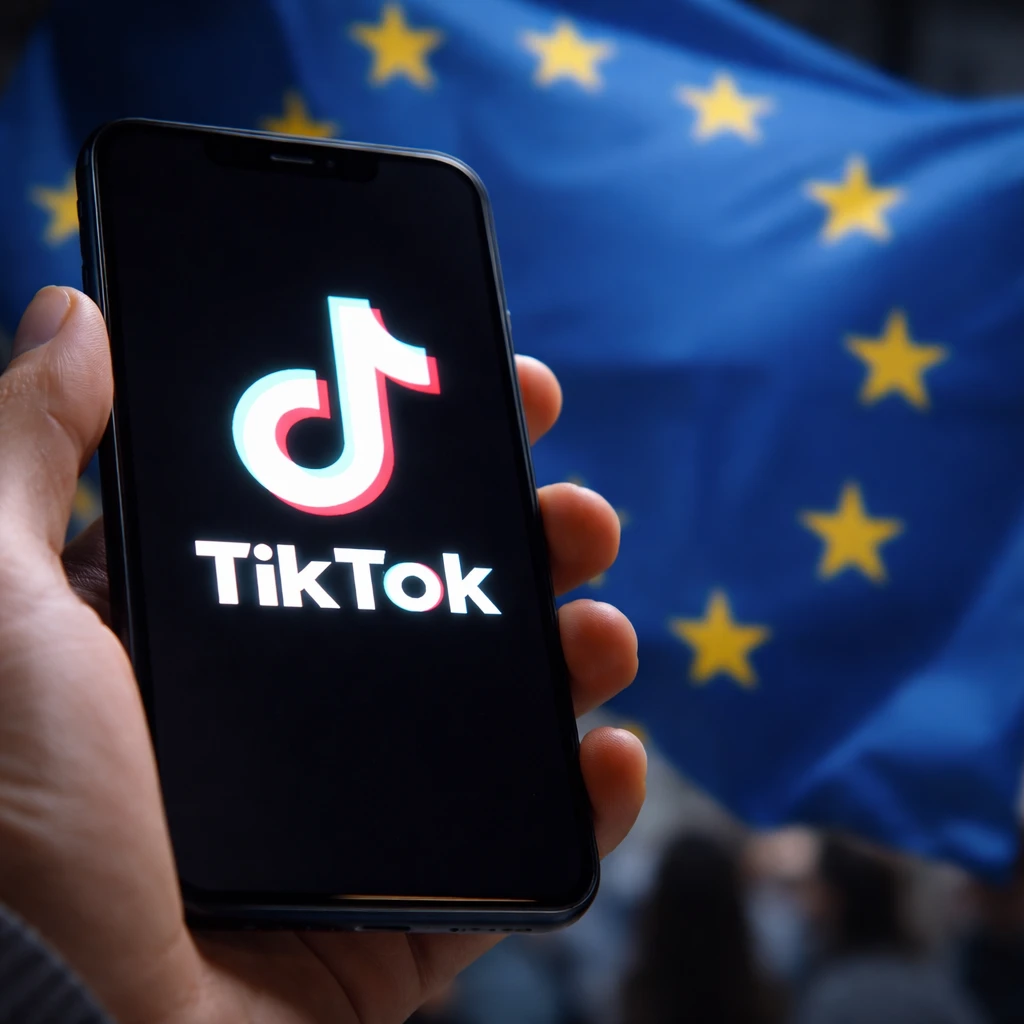

The European Union issued preliminary charges on Friday accusing TikTok of violating the bloc’s digital regulations by employing "addictive design" elements that encourage compulsive engagement, particularly among younger users. After conducting an extensive two-year inquiry, EU regulators determined that TikTok has not sufficiently evaluated potential harm that features such as autoplay and infinite scrolling could pose to users' mental and physical health, including minors and vulnerable adults.
The EU’s executive branch, the European Commission, which enforces the Digital Services Act across its 27 member states, suggested that TikTok should modify the fundamental architecture of its platform to address these concerns. The Digital Services Act mandates social media companies to ensure user protection and platform cleanliness to avoid significant penalties.
In response, TikTok categorically rejected the allegations. The company described the Commission’s provisional conclusions as “categorically false and entirely meritless,” and indicated its intention to vigorously contest the findings through all available channels.
Thomas Regnier, a spokesperson for the European Commission, detailed at a Brussels press briefing that features like infinite scrolling, autoplay, push notifications, and the platform’s personalized recommendation algorithms foster compulsive behavior, particularly among children. He emphasized the significant risks these patterns pose to their mental well-being.
"TikTok’s existing interventions are inadequate," Regnier stated, explaining that the company currently has the opportunity to present a defense. Should TikTok fail to comply appropriately, the Commission might issue a non-compliance declaration and impose fines reaching up to 6% of TikTok’s global annual revenue. No specific date has been set for the final decision regarding the case.
This development adds to the mounting scrutiny that TikTok and other digital platforms face concerning youth addiction. Countries including Australia, Spain, France, the United Kingdom, Denmark, Malaysia, and Egypt have enacted or are proposing regulations restricting social media usage among minors. In the United States, TikTok recently resolved a prominent lawsuit over social media addiction, while related legal actions against platforms owned by Meta and Google continue.
Regnier noted TikTok has approximately 170 million users in the EU, with a substantial portion being children. He referenced data indicating that 7% of children aged 12 to 15 spend between four to five hours daily on TikTok and highlighted that it remains the most frequently used platform past midnight for teenagers aged 13 to 18. The Commission labeled these statistics as particularly troubling.
The Commission elaborated that TikTok's design stimulates persistent scrolling by continuously delivering fresh content, which can undermine self-regulation. It also noted the platform often overlooks indicators of compulsive use, such as prolonged nighttime engagement and frequent app openings among minors.
Furthermore, the inquiry concluded that TikTok has not implemented "reasonable, proportionate, and effective" measures to mitigate these harms. For example, current time management options are simple to bypass and offer minimal friction, while parental controls are reportedly cumbersome, requiring considerable time and expertise.
To address the issues raised, the Commission urges TikTok to disable features such as infinite scrolling, enforce more substantial screen time interruptions including nighttime curfews, and alter its recommendation algorithms that serve endless personalized video content. TikTok maintains that it provides several tools allowing users to make deliberate choices about their app usage, including customized time limits and sleep reminders. It also noted teen accounts that permit parental imposition of time constraints and encourage teens to disengage in the evening.