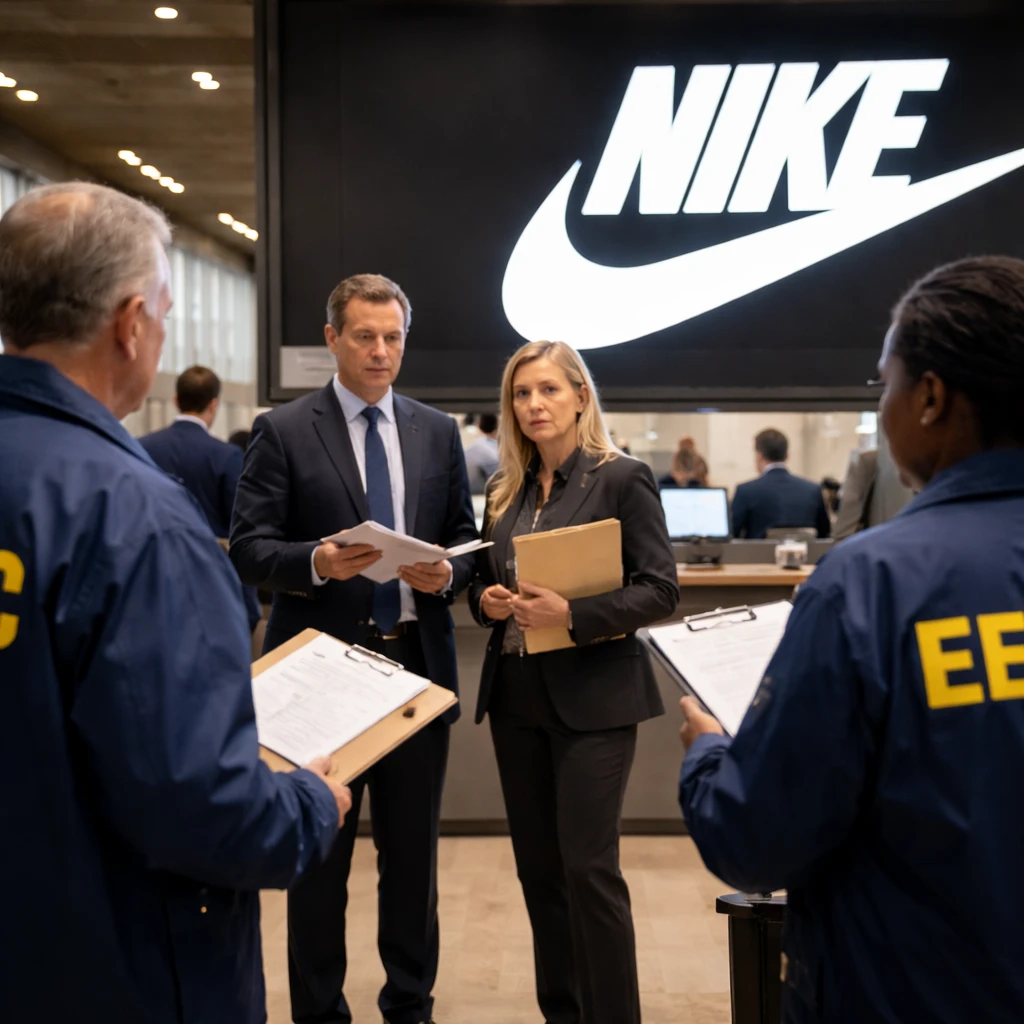
The Equal Employment Opportunity Commission (EEOC), the federal body charged with safeguarding workers' civil rights, has disclosed an investigation into sportswear manufacturer Nike, alleging the company's diversity strategies discriminate against white employees. This action was revealed in a legal filing submitted to a federal court in Missouri, where the EEOC has sought to enforce a subpoena compelling Nike to provide extensive information about its employment practices.
The subpoena requests Nike's methodologies for laying off employees, the company's approach to recording and utilizing data on race and ethnicity, and details on programs providing mentoring, leadership training, or career development opportunities limited by race. These details were outlined in the EEOC's court documents.
Responding to the inquiry, Nike confirmed ongoing cooperation with the agency but characterized the subpoena enforcement effort as unexpected and unusual. The company noted it has already submitted thousands of pages of documents and detailed written answers, with more information forthcoming.
EEOC Chair Andrea Lucas, a prominent critic of corporate diversity and inclusion initiatives, has aggressively pursued cases suggesting these programs may contravene federal anti-discrimination laws. Her agenda, closely aligned with the policy priorities of former President Donald Trump, has brought greater regulatory focus to workplace DEI practices.
Nike currently stands as the most notable enterprise publicly acknowledged to face an EEOC investigation into alleged anti-white bias linked to its diversity efforts. The agency similarly issued a subpoena to financial services firm Northwestern Mutual late last year.
In a statement, Lucas emphasized the EEOC's commitment to investigating thoroughly when evidence, including corporate statements and documents, suggests that employer DEI programs may constitute unlawful race discrimination or related prohibited conduct.
The Nike investigation follows a public outreach by Lucas from February 2024, encouraging white male workers who feel they have experienced racial or gender discrimination to report their experiences. This current inquiry did not originate from employee complaints but was initiated by Lucas herself by filing a commissioner’s charge earlier this year.
The commissioner’s charge, a relatively infrequent procedural step, was spurred partly by input from America First Legal, a conservative legal advocacy group established by Stephen Miller, a former Trump adviser. The group has submitted multiple complaints to the EEOC aiming to prompt investigations into corporate DEI practices across various industries, although the scope of such investigations remains undisclosed due to confidentiality regulations.
The official charge against Nike cites the company's public commitments to enhancing workforce diversity, specifically referencing a 2021 goal of achieving 35% racial and ethnic minority representation in its corporate staff by 2025. Similar diversity targets were widely adopted in the corporate sector after nationwide protests in 2020 following George Floyd's death.
Corporations have argued that these diversity objectives serve as aspirational goals rather than enforceable quotas, implemented through expanded recruitment and bias reduction in hiring. However, Title VII of the Civil Rights Act prohibits making employment decisions based on race. Lucas has expressed concerns that certain DEI initiatives may pressure managers into race-based decision making, potentially violating the law.
Nike maintains that all its policies comply with applicable anti-discrimination laws and that the company takes these issues seriously. The firm stressed alignment of its practices with legal requirements and expressed continued commitment to cooperating with the EEOC.