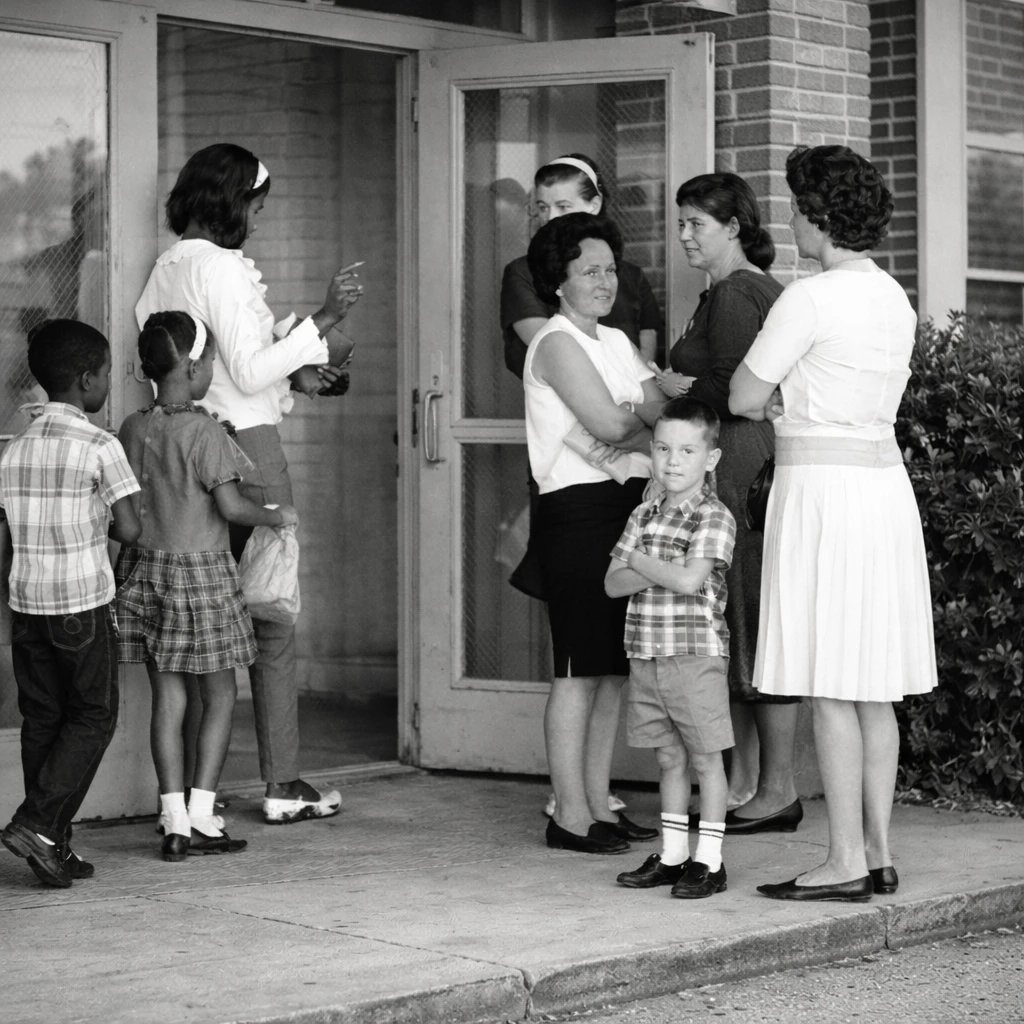

A recent judicial decision marks another milestone in the winding down of historical school desegregation lawsuits. A federal judge authorized the dismissal of a 1967 desegregation lawsuit involving the DeSoto Parish school district in northwest Louisiana, which serves approximately 5,000 students. This follows a pattern initiated by the federal government to conclude desegregation orders that are viewed by some as outdated constraints on school district governance.
The lawsuit was originally filed by the Department of Justice against DeSoto Parish, targeting its racially segregated school system of that time. A 1970 court decree mandated the district to dismantle segregation practices and submit frequent progress reports. Although the decree has undergone modifications over the years, recent activity related to compliance and disputes has been minimal.
In their joint motion filed in late December, Louisiana state officials and representatives from the Trump administration argued that the lawsuit no longer presented a dispute warranting judicial oversight. They noted the absence of disagreements among the involved parties since 2014 and asserted that the litigation no longer represented a pressing controversy.
U.S. District Judge S. Maurice Hicks Jr., appointed by former President George W. Bush, approved the motion to dismiss the case. Louisiana's Attorney General Liz Murrill expressed gratitude toward national officials for facilitating the conclusion of these prolonged legal proceedings, emphasizing that the DeSoto Parish school system has now regained autonomy after a decade of cooperative status.
This court order's termination reflects the broader stance of Louisiana state leadership, who maintain that ongoing court mandates impose restrictive and unnecessary limitations on local school district management. Such orders typically require judicial permission before district authorities can build new schools, adjust attendance boundaries, or alter policies affecting the prior court decrees.
Civil rights advocates continue to assert the importance of these orders in combating persistent racial disparities and in maintaining oversight to prevent regression into segregation-era practices. DeSoto Parish authorities have maintained compliance by regularly submitting data regarding student and teacher racial composition alongside records of student transfer activity, with the most recent submission occurring in October.
Louisiana Republicans have led initiatives to terminate these longstanding desegregation mandates, collaborating closely with the Justice Department under the Trump administration. Prior successes include the dismissal of a 1966 desegregation order in Plaquemines Parish, where the litigation had largely been inactive for decades following the death of the presiding judge.
Conversely, attempts to end another dated desegregation order in Concordia Parish schools have been met with judicial resistance. A federal judge denied a motion to dismiss, requiring Concordia Parish to prove that it has fully eliminated segregation before the case can be closed. Both state and federal authorities are appealing this ruling. This case originated from Black families advocating for equal access to previously segregated all-white schools.