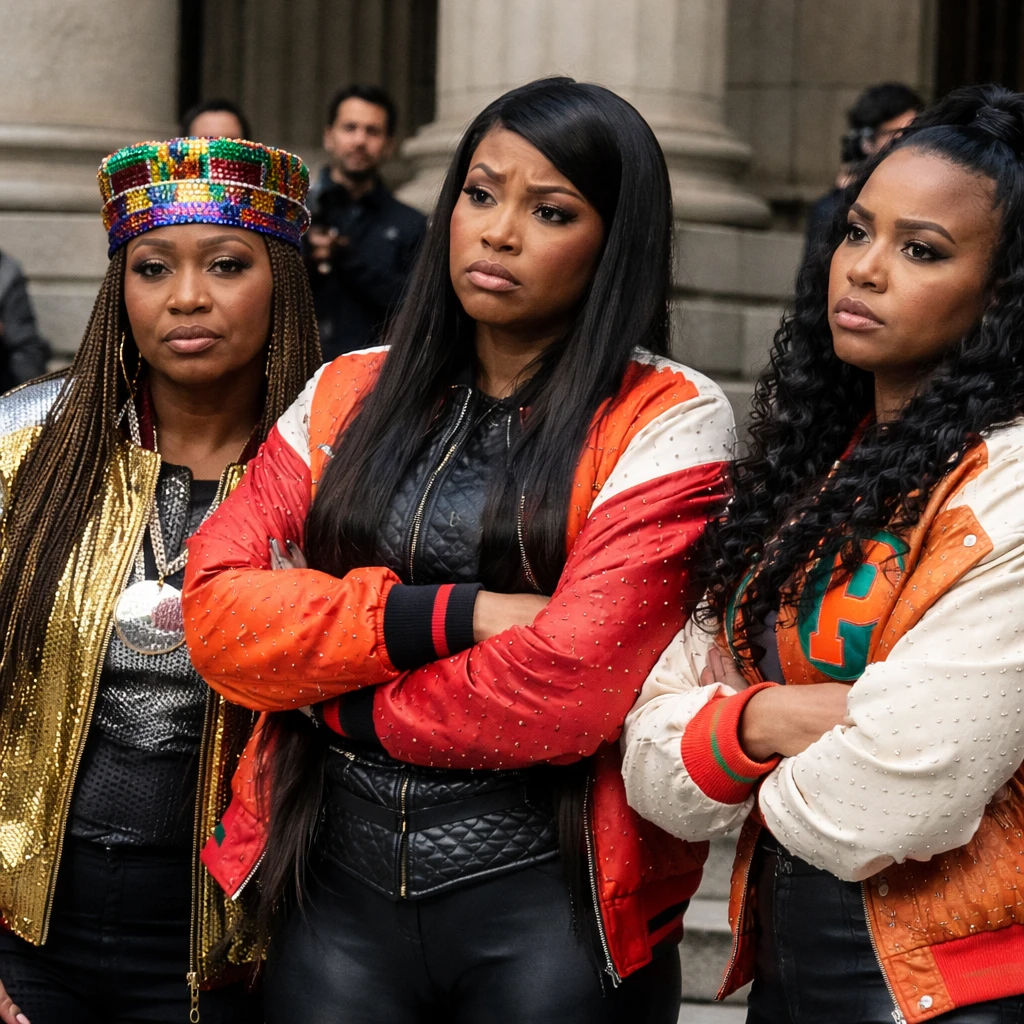

A U.S. District Judge Denise Cote delivered a setback to Salt-N-Pepa, the iconic hip-hop duo, by dismissing their lawsuit aimed at regaining ownership of their master recordings currently held by Universal Music Group. The decision issued on a recent Thursday affirmed Universal's position that Salt-N-Pepa never possessed copyrights to the original recordings and, therefore, have no contracts allowing them to terminate copyright transfers.
Judge Cote emphasized that the plaintiffs in the case can only exercise rights to terminate copyright transfers if they were the original copyright holders who executed such transfers. She stated, "Plaintiffs can only terminate copyright transfers that they executed. None of the contracts identified by Plaintiffs indicate that they ever owned the Master Tapes." This legal reasoning underpins the dismissal of the case, which has important implications for artists seeking to reclaim rights to their catalog.
Universal Music Group asserted the recordings in question qualify as "works made for hire," a classification which legally prevents the artists from reclaiming their copyrights. Salt-N-Pepa's lawsuit contested this classification, arguing that their agreements with Universal explicitly did not categorize the works as made for hire.
Despite the court's ruling, Universal expressed openness to resolving the dispute amicably. The company communicated, "Even with the court's complete rejection of their claims, we remain open and willing to find a resolution to the matter and turn the page so we can focus our efforts on working together to amplify Salt-N-Pepa’s legacy for generations to come." This suggests potential for negotiation beyond the courtroom.
Salt-N-Pepa’s representatives have publicly disagreed with the court's judgment and have declared their intention to appeal the decision. They conveyed their commitment to securing their rights under the Copyright Act, stating, "We remain committed to vindicating and reclaiming our rights as creators under the Copyright Act." The appeal process could extend the legal battle and has implications for rights management in the music industry.
The group, consisting of Cheryl “Salt” James and Sandra “Pepa” Denton from Queens, New York, formed Salt-N-Pepa in 1985. Their early recordings, which are central to this dispute, date back to their work with Next Plateau Records, an independent label at the time that is now part of Universal’s Republic label. Their discography includes notable hits such as "Shoop" (1993) and "Push It" (1987). DJ Spinderella, who joined the group later, was not party to the early agreements and is not involved in the lawsuit.
Salt-N-Pepa’s debut album, "Hot, Cool & Vicious," was released in 1986 through Next Plateau Records. Over the years, the group achieved significant milestones, becoming the first female rap group to win a Grammy in 1995 and receiving a Grammy lifetime achievement award in 2021. Their induction into the Rock & Roll Hall of Fame in November, where they followed Missy Elliott as the second female hip-hop act honored, underscored their cultural impact.
During the induction ceremony, Cheryl James referenced the ongoing legal fight, indicating the group's determination to continue leveraging their influence: "This is the Influence Award. We have to keep using our influence until the industry honors creativity the way the audience does — with love, respect and fairness." This highlights the broader battle for artistic rights within the music business.
The legal arguments hinged on provisions within the 1976 Copyright Act that afford artists the opportunity to terminate prior copyright transfers after 35 years to reclaim master recordings. However, Judge Cote sided with Universal's position that there is no documentation supporting that James and Denton ever granted copyrights that could be reclaimed. Therefore, the court held that the artists do not have standing to execute such termination, delivering a blow to their efforts for greater control over their work.