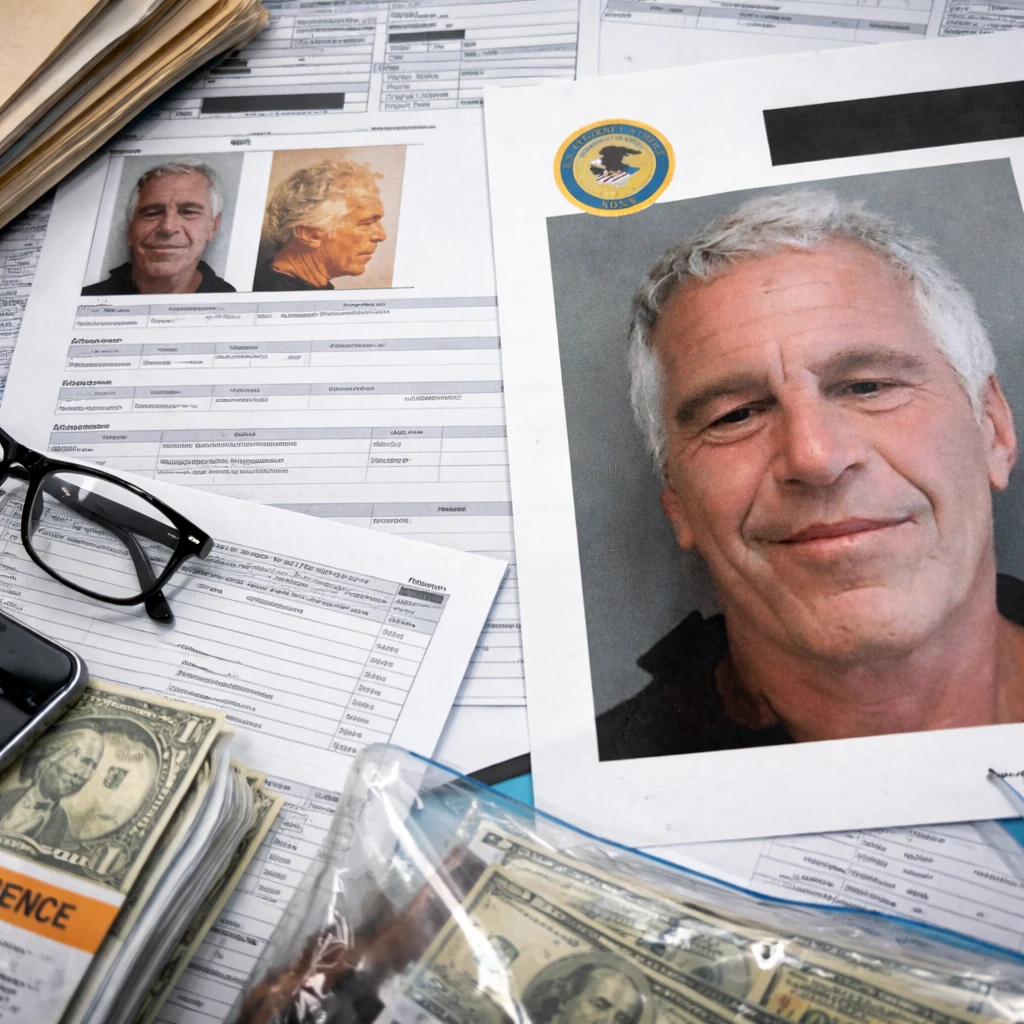
Over the course of several years, federal investigators meticulously scrutinized Jeffrey Epstein’s financial transactions, communications, and personal properties. Their extensive efforts included detailed interviews with victims and examinations of Epstein’s ties to prominent figures in various sectors. While the evidence convincingly demonstrated Epstein’s engagement in the sexual abuse of underage girls, investigators did not uncover substantial proof that he operated a wider sex trafficking operation serving elite clientele, according to internal Justice Department documentation reviewed by journalists.
Among the materials obtained during searches of Epstein’s residences across New York, Florida, and the U.S. Virgin Islands were numerous digital and physical photographs and videos. However, these visual materials did not depict any instances of abuse, nor did they include incriminating evidence involving other individuals in Epstein’s illicit conduct, as noted by a prosecutor in a memo from 2025.
Financial record analyses also failed to reveal any criminal associations despite Epstein’s monetary transactions involving organizations linked to influential sectors such as academia, finance, and international diplomacy, as indicated in a 2019 internal memorandum. The investigations thus concentrated on direct criminal behavior without establishing connections to broader conspiracies.
Of particular note was the case of one victim who publicly alleged that Epstein “loaned her” to wealthy acquaintances. However, investigators could not substantiate her claims, nor did they find testimony from other victims corroborating a similar pattern. The supplied records reiterated this distinction.
In July prior to recent disclosures, federal agents summarized their findings indicating that a few Epstein accusers reported additional instances of sexual abuse perpetrated by other men or women. Yet, the evidence was insufficient to initiate federal charges against those individuals, leading to referrals to local law enforcement authorities instead.
Media organizations continue to examine millions of pages of documents released through the Epstein Files Transparency Act, which include police reports, FBI notes from interviews, and correspondence amongst prosecutors. These documents supply the most detailed account to date on the investigation’s scope and rationale behind the closure without further indictments.
The investigation originated in 2005 following a report from the parents of a 14-year-old who alleged molestation at Epstein’s Palm Beach estate. Authorities identified at least 35 girls with related accusations where Epstein allegedly paid teenagers for sexualized massages. The FBI’s subsequent involvement led to drafting indictments against Epstein and associates responsible for facilitating these encounters. However, then-U.S. Attorney Alexander Acosta negotiated a plea deal allowing Epstein to plead guilty to state-level prostitution charges involving a minor; Epstein served 18 months in jail and was released by mid-2009.
A resurgence of scrutiny ensued in 2018 after investigative journalism revealed details of the plea agreement, prompting federal prosecutors in New York to reopen the case. Epstein was arrested in July 2019 but died by suicide a month later while incarcerated. Subsequently, Ghislaine Maxwell was charged for her role in recruiting victims and participating in abuse, resulting in her 2021 conviction and a 20-year prison term.
Despite persistent efforts, prosecutorial documents disclose that the investigation could not substantiate many of the more sensational allegations involving high-profile figures. Agents reviewed a wide array of tips, including those far-fetched in nature. Interviews conducted in 2011 and again in 2019 with Virginia Roberts Giuffre, a prominent accuser, confirmed she was abused by Epstein but raised questions about the accuracy of her assertions regarding being trafficked for sexual encounters with men such as Prince Andrew. Other victims contradicted Giuffre’s claim that they were similarly subjected to such conditions.
Investigators noted that Giuffre admitted to composing a memoir that contained fictionalized elements and inconsistencies in her public statements, including inaccurate descriptions of FBI interactions. Nevertheless, U.S. prosecutors sought to interview Prince Andrew, who declined; Giuffre settled a related lawsuit alleging sexual misconduct.
Regarding physical evidence, extensive analysis of Epstein’s seized electronic devices uncovered digital imagery involving nude females, some possibly minors. However, these materials did not demonstrate sexual abuse or implicate third parties beyond Epstein and Maxwell, as affirmed in communications from assistant U.S. attorneys. Notably, no footage evidenced involvement of other men despite media speculation.
Financial investigations revealed payments to multiple women connected to modeling but found no evidence indicating Epstein facilitated prostitution of these individuals to others. Furthermore, potential charges against Epstein's associates, including assistants and romantic partners, were considered but dropped due to lack of sufficient evidence or acknowledgment that some were victims themselves.
The inquiry also examined the relationships Epstein maintained with figures such as French modeling agent Jean-Luc Brunel, who faced separate allegations and died by suicide while in custody in France. Business associates like retail mogul Les Wexner cooperated with investigators and were not charged due to insufficient evidence of involvement.
Several women who worked in Epstein’s residences reported that guests attempted inappropriate advances during massages, including an allegation against private equity investor Leon Black. These claims were investigated locally but did not lead to prosecutions. Legal representatives for Black denied misconduct and stated any financial dealings with Epstein were strictly professional.
Throughout the investigation, references circulated to a purported “client list.” However, coordination within the FBI concluded no such document exists. Internal communications prior to the end of 2024 confirmed that agents found no tangible evidence of this supposed list or any further expansive network of associates.
Overall, the extensive federal probe revealed compelling evidence of sexual crimes perpetrated by Epstein and Maxwell but did not substantiate allegations involving broader conspirators or organized trafficking rings serving powerful individuals. These findings informed the decision to close the legal proceedings without additional indictments apart from those against Epstein and Maxwell.