
In a significant judicial decision, a federal judge has ruled that Luigi Mangione cannot be subjected to the death penalty in connection with the killing of UnitedHealthcare CEO Brian Thompson. The ruling came on a Friday, effectively nullifying the federal government's attempt to impose capital punishment for what it characterized as a "premeditated, cold-blooded assassination that shocked America."
Judge Margaret Garnett dismissed a federal murder charge that allowed prosecutors to seek the death penalty, citing procedural and legal deficiencies. Her decision was explicitly intended to prevent the jury from considering capital punishment during their evaluation of Mangione's guilt.
While the murder charge was dismissed, the judge also eliminated a gun-related charge but maintained stalking charges against Mangione, which carry a maximum penalty of life imprisonment. Prosecutors needed to demonstrate that the homicide occurred concurrently with another "crime of violence" to qualify for the death penalty. Since stalking does not meet this criterion according to legal precedents and case law cited by Judge Garnett, it was deemed insufficient to justify capital punishment in this context.
In terms of evidentiary rulings, Judge Garnett sided with the prosecution by permitting the use of critical material found in Mangione's backpack at the time of his arrest. This included a 9mm handgun and a notebook wherein Mangione allegedly detailed plans to "wack" an insurance executive. Defense attorneys had moved to exclude this evidence, arguing the search was unlawful prior to obtaining a warrant, but the judge overruled these objections.
During a hearing held the same day as the ruling, Judges Garnett allocated thirty days for prosecutors to inform her whether they intend to appeal the decision concerning the death penalty. A spokesperson for the United States Attorney's Office in Manhattan declined to provide comments about potential appeals.
Judge Garnett acknowledged that her ruling might appear perplexing or counterintuitive to many, including legal practitioners and lay observers alike. However, she underscored her dedication to applying Supreme Court guidelines strictly, emphasizing that adherence to legal doctrine must guide judicial decisions regardless of public sentiment.
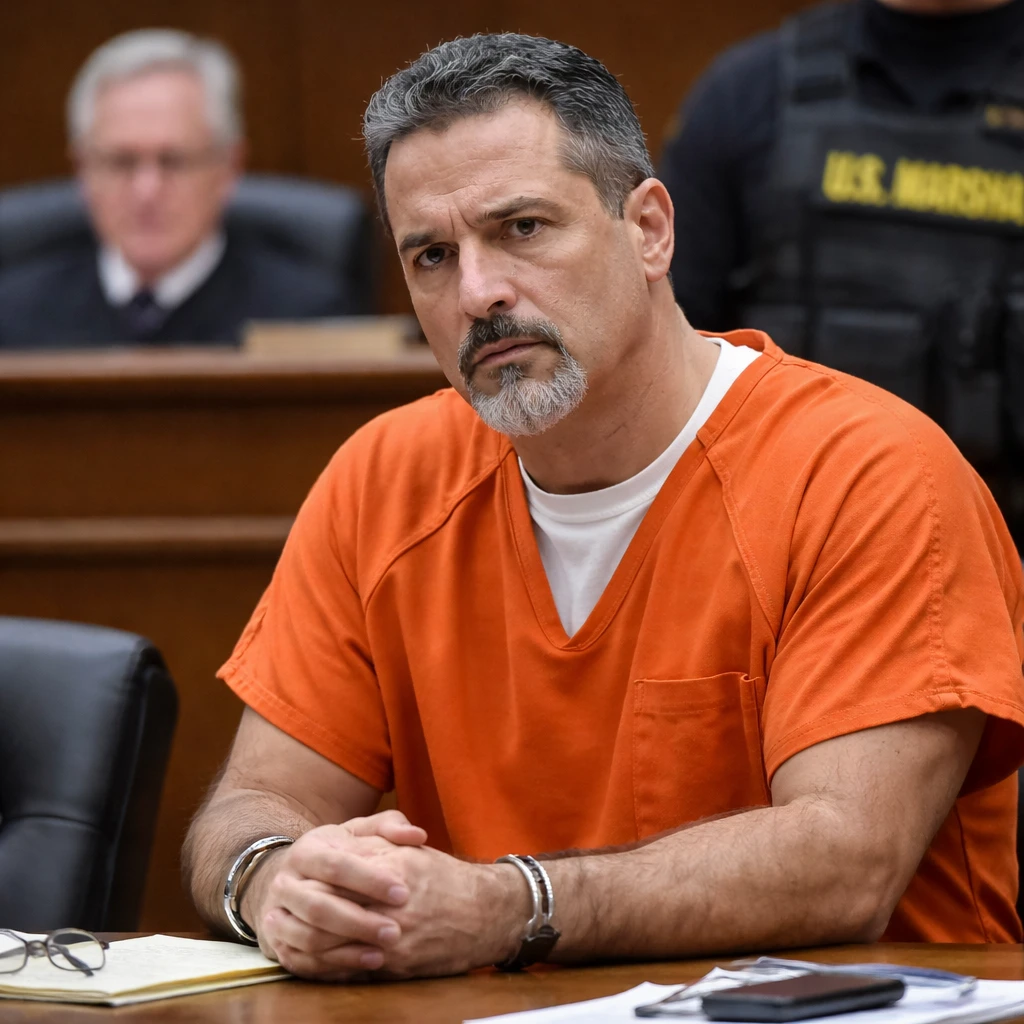
Luigi Mangione, 27, was seen with composure at the hearing, accompanied by his legal representatives. While prosecutors retained the option to appeal, they indicated readiness to move forward with the trial. Defense attorney Karen Friedman Agnifilo described the ruling as an "incredible decision," expressing relief on behalf of Mangione and his team.
Jury selection for the federal case is anticipated to begin on September 8, with opening statements and witness testimonies scheduled for October 13. Meanwhile, no date has been set for the state trial, although the Manhattan District Attorney's office has recommended a July 1 trial commencement. Judge Garnett stated that she will focus solely on the federal case unless formally directed otherwise and will halt proceedings should the government decide to appeal the death penalty suppression.
The homicide occurred on December 4, 2024, when Brian Thompson was en route to a UnitedHealth Group investor conference in midtown Manhattan. Surveillance footage revealed a masked individual firing shots from behind. Investigators noted that inscriptions on the ammunition "delay," "deny," and "depose" echo common criticisms of insurer claim tactics.
Mangione, a graduate of an Ivy League institution from an affluent Maryland family, was apprehended five days following the murder at a McDonald's in Altoona, Pennsylvania, located approximately 230 miles west of Manhattan.
The directive to pursue capital punishment in this case originated with Attorney General Pam Bondi last April. This marked the Justice Department's inaugural death penalty pursuit within President Donald Trump's second administration, aligning with his campaign pledges to reinstate federal executions previously halted under President Joe Biden.
Judge Garnett, appointed by President Biden and a former Manhattan federal prosecutor, reached her determination after oral arguments occurred earlier in the same month.
Beyond the legal objections referenced in the ruling, Mangione's defense contested Bondi's announcement to seek the death penalty, arguing it violated established Justice Department protocols and was motivated by political considerations instead of merit. They further asserted that Bondi's public communications, including social media posts and television appearances, prejudiced the grand jury process leading to the indictment.
The prosecutors defended their position, maintaining that the charges were lawfully supported and that Bondi's prior statements did not constitute undue prejudice because "pretrial publicity, even when intense, is not itself a constitutional defect." They emphasized that thorough jury selection procedures would preserve Mangione's rights and filter potential bias stemming from media coverage.
Prosecutors dismissed the defense's constitutional claims as reiterations of previously rejected arguments and insisted that none justified dismissing the indictment or removing a congressionally authorized penalty from consideration.