
In Albany, New York, a U.S. District Judge has disqualified John Sarcone, acting U.S. attorney for the Northern District of New York, from supervising investigations targeting New York Attorney General Letitia James. The judge determined on Thursday that Sarcone's occupation of the acting position lacks lawful basis due to improper appointment procedures.
Judge Lorna G. Schofield blocked subpoenas Sarcone had issued in connection with probing investigations into James. She detailed that after district judges refused to extend Sarcone's tenure in 2023, the Department of Justice failed to follow statutory protocols for his continued service. This ruling contributes to an emerging pattern among federal courts nationwide, which have recently invalidated actions performed by high-ranking federal prosecutors appointed through controversial practices under the Trump administration. These appointments often circumvented the traditional Senate confirmation process or involved temporary terms subject to judicial approval.
In her decision, Judge Schofield stated, "When the Executive branch of government circumvents restrictions set by Congress and utilizes that power to conduct criminal investigations against political opponents, it operates without lawful authority. Subpoenas issued under such authority are invalid. Those subpoenas are therefore quashed, and Mr. Sarcone is disqualified from further participation in these investigations." She further observed that all acts committed by Sarcone in his capacity as acting U.S. attorney are void or may be voided due to the lack of lawful authority underpinning his position.
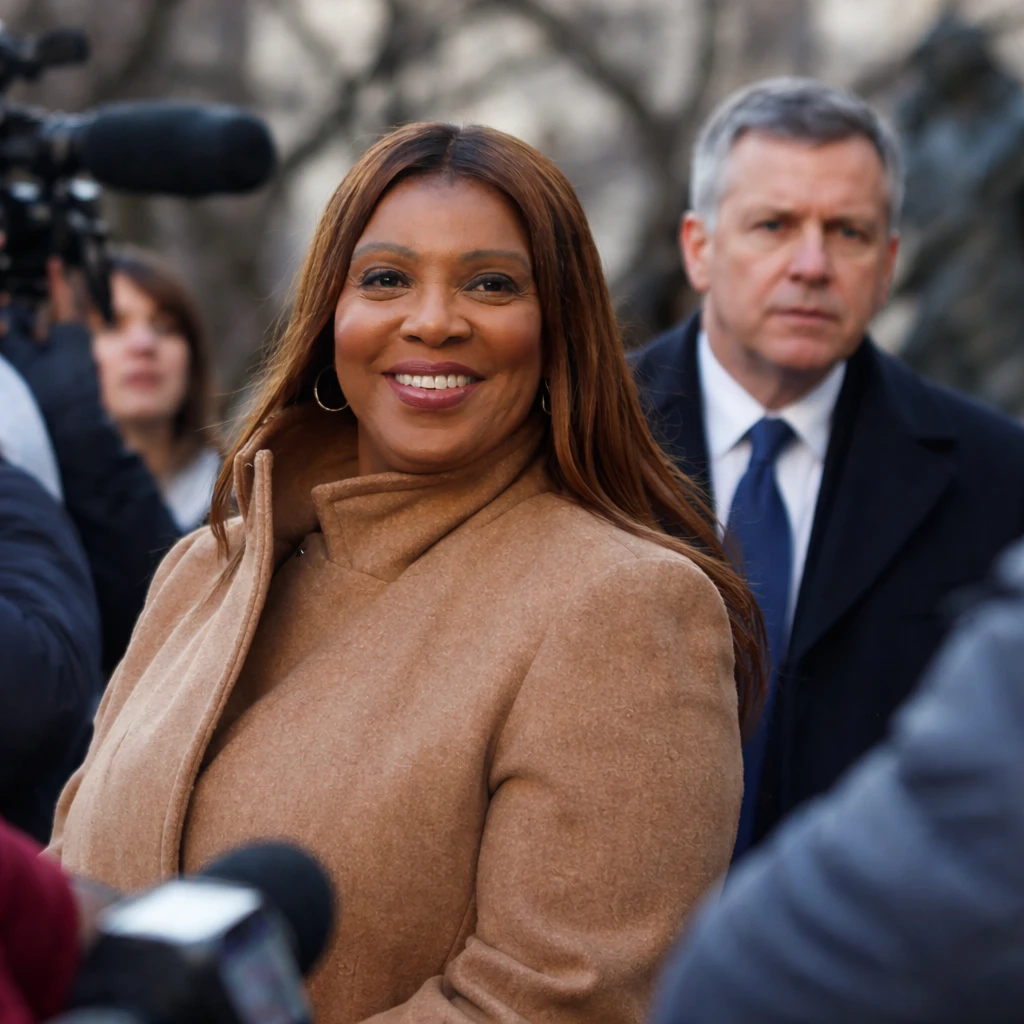
Letitia James, a Democrat, initiated challenges to Sarcone's authority following subpoenas he issued concerning her lawsuits targeting Republican former President Donald Trump for alleged business fraud, alongside suits against the National Rifle Association and certain former NRA officials. James’s office contends these investigations are politically motivated attempts to target adversaries of Trump.
Legal representatives from the Department of Justice contended that Sarcone's appointment was legitimate and maintained that the subpoenas remain valid. The Department issued a statement affirming commitment to defending the authority of the President and Attorney General in appointing U.S. attorneys. In response, James’s office praised the ruling as a critical affirmation of the rule of law and reaffirmed their intention to defend ongoing litigation against perceived politically motivated challenges from the current administration.
Similar judicial decisions have emerged in recent months, including a 3rd U.S. Circuit Court of Appeals panel upholding a lower court's removal of Alina Habba from her position as New Jersey’s top federal prosecutor. A federal judge also dismissed criminal charges against ex-FBI Director James Comey and New York Attorney General James after determining the interim U.S. attorney filing the case was unlawfully appointed.
Further comparable rulings have taken place in Nevada and Southern California, where acting U.S. attorneys installed by the Trump administration were disqualified on grounds related to procedural irregularities in their appointments or overextension beyond legally permitted terms.
Specifically, in New York, U.S. Attorney General Pam Bondi appointed Sarcone as interim U.S. attorney in March, with a statutory 120-day term. After expiration of this term, district judges declined to extend his service. Bondi then designated Sarcone as a special attorney and first assistant U.S. attorney for the district, allegedly enabling Sarcone to continue as acting U.S. attorney. Judge Schofield criticized these maneuvers, stating that the Department’s coordinated efforts to retain Sarcone through personnel changes and title shifts circumvent federal law.
Sarcone previously served on Trump’s legal team during the 2016 presidential campaign and worked for the U.S. General Services Administration during Trump's first term. Senate Democratic Leader Chuck Schumer criticized Sarcone’s appointment, emphasizing the need for an independent, qualified prosecutor rather than a political loyalist.
The court noted that the government may reissue subpoenas if dispatched by a lawfully authorized U.S. attorney. Joshua Naftalis, an experienced federal prosecutor now in private practice, commented that rulings declaring acting U.S. attorneys unlawfully appointed are significant, albeit subpoenas are generally issued by teams within prosecutor offices, so this decision's wider impact on other investigations is unclear.