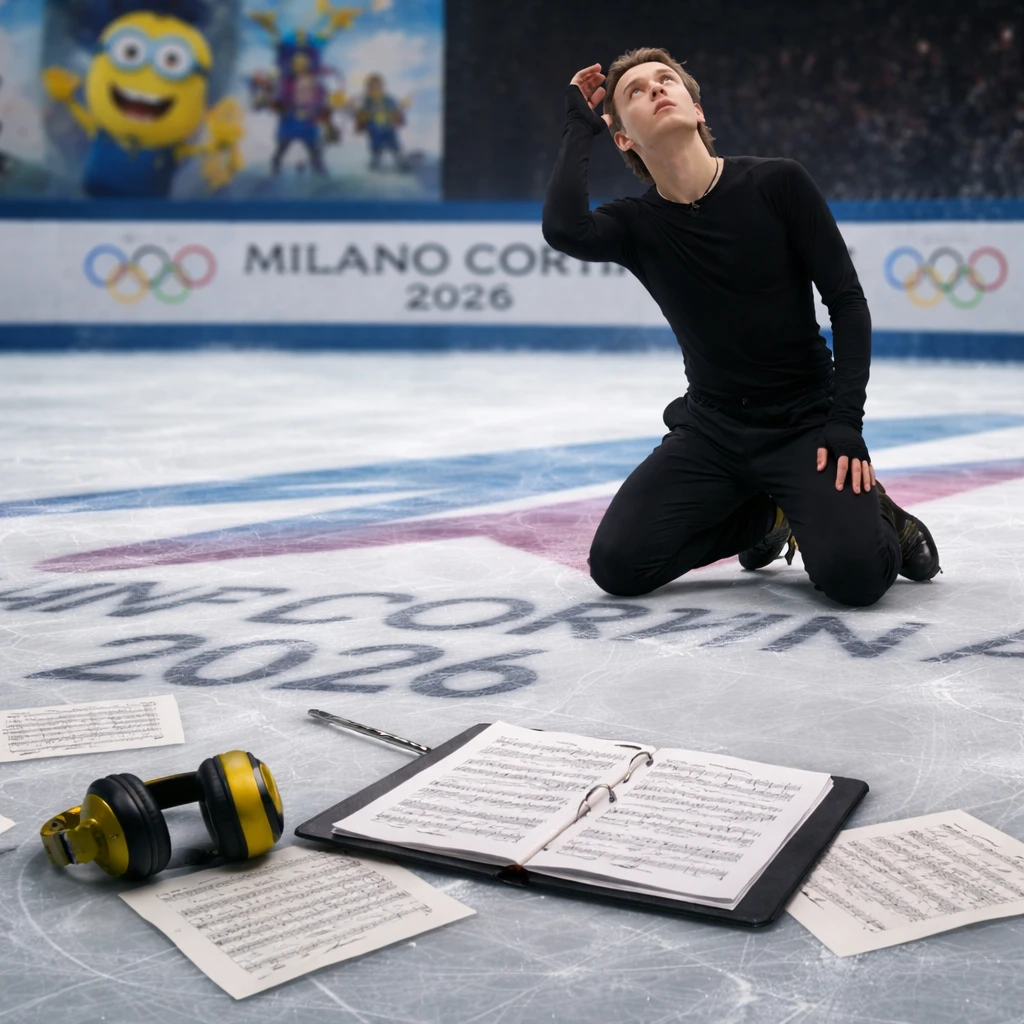

Figure Skaters Face Uncertain Music Rights Ahead of Winter Olympics
February 4, 2026
News & Politics

Figure Skaters Face Uncertain Music Rights Ahead of Winter Olympics

Minions Franchise Music Licensing Creates Anxiety for Olympic Programs

Summary

As Winter Olympic figure skaters prepare to perform, ongoing complexities surrounding music rights, specifically linked to the Minions franchise, are causing significant uncertainty. Skaters grapple with last-minute permission requests and the fragmented nature of music ownership, resulting in stressful preparation for their Olympic routines.

Key Points

Figure skaters face ongoing difficulties securing music rights for their Olympic routines due to complex ownership arrangements and potential last-minute refusals.
The Minions franchise music has become a notable source of contention, with some skaters, such as Spain’s Tomas-Llorenc Guarino Sabate, dealing with medleys involving multiple tracks requiring separate permissions.
Athletes adopt different strategies to resolve licensing issues, ranging from relying on management teams to personal outreach to artists, reflecting varied approaches to navigating rights clearance.

In Milan, Olympic figure skaters are confronting an unusual hurdle - the possibility that the music underpinning their carefully choreographed routines might be suddenly withdrawn. This year, a particular challenge has emerged around the music associated with the popular Minions franchise, stirring concern among competitors including U.S. national champion Amber Glenn.

Glenn described the situation as "this Minions saga," highlighting the real fear athletes face about having their music rights revoked at the last moment. Securing permission to use specific tracks is no simple task as the rights often involve numerous parties ranging from artists to production companies. Despite skaters’ concerted efforts to clear all legal uses, there remains a constant risk that a producer or rights holder could unexpectedly deny permission.

"We’ve done everything possible on our end to clear the music," Glenn said. "But in the end, a producer might just say no at the eleventh hour. It’s a very taxing ordeal for many athletes." She expressed that while she sees the paths she’s taken as legitimate and cleared, she is still "hoping and praying" against receiving an objection email.

The complexity is exemplified by Spanish skater Tomas-Llorenc Guarino Sabate, whose short program is a blend of four different Minions-themed songs. Three of these have received clearance, but he continues to negotiate rights with Pharrell Williams for the fourth track, underscoring the fragmented nature of obtaining full music permissions in competitive figure skating.

For other skaters, the process is streamlined somewhat by delegating permissions to their management teams. Conversely, American men's gold medal favorite Ilia Malinin opts for direct engagement with artists to secure unique music selections. Malinin credits this approach for most of his success in obtaining rights, citing encouragement and support from artists this season.

Glenn’s Olympic short program features Madonna’s iconic "Like A Prayer," and she lightheartedly noted that even if Madonna herself objected, she would be excited to hear from such a prominent figure. Nonetheless, the underlying tension remains palpable as athletes strive to deliver performances that depend heavily on music rights approvals.

This recurring challenge emphasizes the vulnerability of figure skaters to rights holders in an industry where ownership can be dispersed and holding parties may change their decisions unexpectedly. Such uncertainties can impact training focus and mental preparedness ahead of the Olympic stage.

Risks
  • Sudden revocation of music rights could disrupt skaters’ Olympic performances, affecting their competitive readiness and mental focus - impacting the sports and entertainment sectors.
  • Complex music licensing arrangements can lead to delays and uncertainty, increasing administrative burdens and legal costs for athletes and their teams, relevant for intellectual property and entertainment law industries.
  • Dependence on music rights permissions introduces an element of unpredictability in event programming and broadcasting, which could influence audience engagement and sponsorship arrangements in the winter sports market.
Disclosure
This article is based solely on reported developments regarding music licensing issues faced by figure skaters preparing for the Winter Olympics. It does not include speculative analysis or external information beyond the cited circumstances.
Search Articles
Category
News & Politics

News & Politics

Related Articles
FDA Initiates Review of BHA Food Additive Safety

The U.S. Food and Drug Administration (FDA) has announced plans to conduct a comprehensive reassessm...

Partisan Divide Deepens as White House Excludes Democratic Governors from NGA Meeting

The longstanding bipartisan forum of the National Governors Association (NGA) is facing disruption a...

Using Fireplace Ashes in Your Garden: Benefits and Considerations

Amidst a notably cold winter leading to increased fireplace use, many homeowners are seeking sustain...