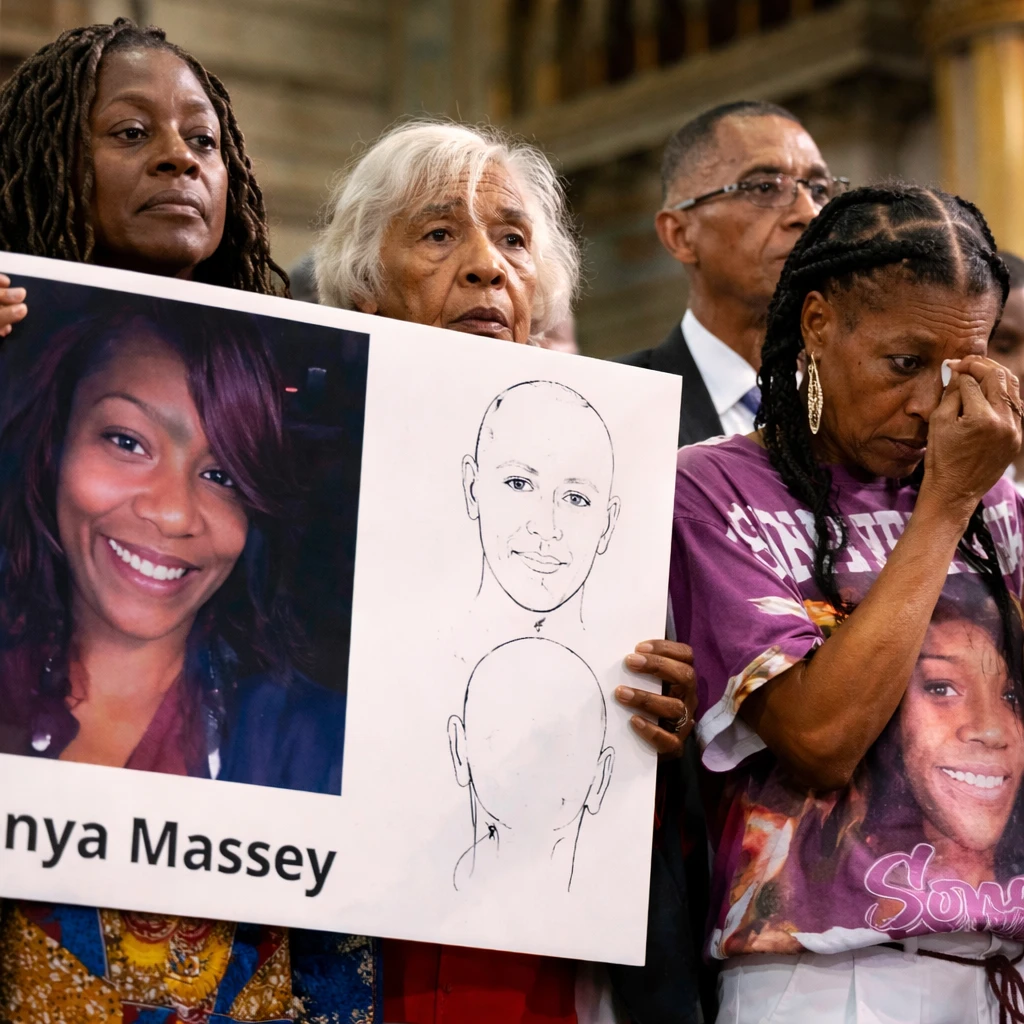

In Springfield, Illinois, Sean Grayson, an ex-deputy of the county sheriff's office, received a 20-year prison sentence on Thursday for the fatal shooting of Sonya Massey. Massey, a Black woman, had called 911 to report suspicious activity outside her residence. The trial, culminating in an October conviction of second-degree murder, was emblematic of broader concerns about racial biases and law enforcement practices that sparked public demonstrations and initiated a federal justice department probe.
During his trial, Grayson, a white man aged 31, testified that he acted out of fear, believing Massey intended to attack him with a pot of hot water she had taken from the kitchen stove. Grayson, who has remained in custody since the incident, was handed the longest sentence permitted under law. In court, he expressed remorse, voicing regret for the harm caused and the grief endured by Massey's family.
His defense counsel argued for a substantially reduced sentence of six years, citing Grayson's terminal colon cancer diagnosis that has metastasized to his liver and lungs.
"I made numerous errors that evening," Grayson acknowledged. "There were moments needing decisive action, yet I hesitated. My choices were terrible. I am sorry."
Massey's relatives, including her parents and two adolescent children, actively pursued the maximum sentencing. The family described profound life changes following her death; her children lamented growing up motherless, and her mother shared her ongoing fear and sorrow. Donna Massey voiced her apprehension toward police interactions, fearing similar fates for herself.
Prosecutor John Milhiser contended that the tragedy might have been prevented had a different deputy responded to Massey's emergency call. Milhiser highlighted the broader impact, noting the incident resonated beyond the immediate family, affecting the community and the nation, underscoring the necessity of measures to avert recurrence.
Following the judge's sentencing announcement, Massey's family expressed audible relief and approval, prompting a judicial admonition to maintain courtroom decorum.
Summer Massey, Sonya's 16-year-old daughter, conveyed to reporters that although the sentence was insufficient, it represented the fullest extent of the law's capacity to address the situation. With provisions allowing for sentence reduction based on good behavior and credit for nearly 19 months served, Grayson's actual time incarcerated could amount to approximately eight and a half years.
The events leading to the shooting occurred in the early hours of July 6, 2024. Massey, battling mental health challenges and a single mother aged 36, sought police assistance due to concerns about a possible intruder. Body camera footage released during the trial showed deputies Grayson and Dawson Farley, the latter uncharged, conducting a search around the house before encountering Massey at her front door. Massey appeared disoriented, vocalizing pleas to a higher power.
Authorities entered the home, and during the encounter, Grayson noticed a pot on the stove and commanded Farley to relocate it. Massey defied this by seizing the pot herself and made light of Grayson's caution against the hot water. The tension escalated rapidly, with Massey invoking religious phrases amid the confrontation.
Grayson drew his service weapon and ordered Massey to put down the pot. Though initially complying, she later appeared to pick it up once more, prompting Grayson to fire, striking her in the face.
Originally charged with first-degree murder, which carries potential life imprisonment, Grayson was ultimately convicted of second-degree murder. This legal outcome applies when a defendant believes they faced imminent danger, even if that belief is deemed unreasonable. Massey's family expressed dissatisfaction with the verdict, perceiving it as a miscarriage of justice. Sontae Massey, her cousin, remarked on systemic failures and called for reform of existing laws contributing to such incidents.
Addressing the court, Grayson conveyed understanding of the family's pain and remorsefully sought their forgiveness, acknowledging it would likely be long in coming. During sentencing, James Wilburn, speaking on behalf of the Massey family and quoting his daughter, recited a statement of spiritual resistance toward Grayson's actions. Wilburn affirmed the difficulty of reconciling Grayson's regret with his courtroom portrayal of Massey as the initiator of aggression.
The case amplified national discussions regarding the use of force by law enforcement toward Black individuals, especially in their own homes. Civil rights attorney Ben Crump successfully negotiated a $10 million settlement for Massey's survivors with Sangamon County. The Department of Justice's investigation concluded with the county agreeing to enhance training focused on de-escalation techniques and to better collect data pertaining to use-of-force incidents.
Consequent to the incident, the sheriff who employed Grayson retired, and new Illinois legislation was introduced mandating full disclosure of applicants' backgrounds for law enforcement positions. Advocates like Wilburn suggest that such measures should be adopted nationwide.
The legal proceedings concluded with corrections to earlier reported details, including the proper spelling of presiding Judge Ryan Cadagin's name.