
Global Reactions to President Trump's Expanding Board of Peace
January 21, 2026
News & Politics

Global Reactions to President Trump's Expanding Board of Peace

Divergent Responses from Nations as the U.S. Seeks to Broaden Conflict Mediation Efforts

Summary

President Donald Trump has initiated the formation of a Board of Peace initially focused on overseeing the Gaza ceasefire plan. While several countries across different continents have agreed to participate, some European nations have declined, and many others have yet to confirm their stance. The evolving scope of this board points towards a more extensive conflict mediation role, with an invitation extended to nearly 50 countries and nearly 30 expected to join.

Key Points

The Board of Peace was initially created to monitor the Gaza ceasefire but has since expanded to include numerous countries for broader conflict mediation roles.
Approximately 30 countries are expected to participate in the board, with about 50 having been invited so far.
Several European nations have declined to join, while many others have yet to respond, indicating a divided international reception.

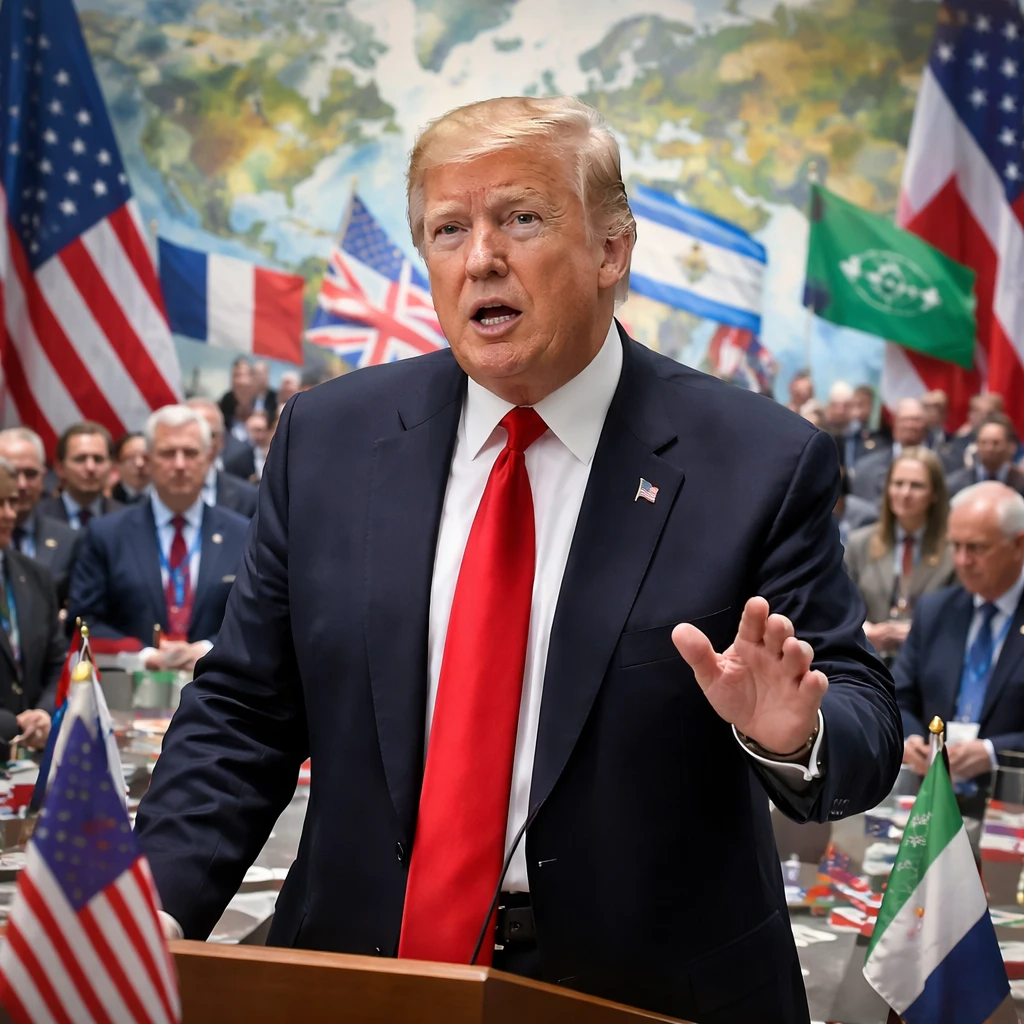
In Jerusalem, President Donald Trump has taken the lead as chair of the newly conceptualized Board of Peace, a panel originally designed as a compact assemblage of world leaders tasked with supervising the Gaza ceasefire initiative. This concept has undergone significant broadening, with the Trump administration enlarging the group by inviting numerous nations and signaling the board’s potential future as a significant mediator in global conflicts.

The White House has indicated that around 30 countries are anticipated to formally participate in the board's activities, though specific details remain undisclosed. Invitations have been extended to approximately 50 countries, drawing a wide range of responses from acceptance to outright refusal, with the remainder yet to clarify their position.

The nations committing to join include a diverse group spanning multiple continents and geopolitical contexts:

  • Argentina
  • Albania
  • Armenia
  • Azerbaijan
  • Bahrain
  • Belarus
  • Bulgaria
  • Egypt
  • Hungary
  • Indonesia
  • Jordan
  • Kazakhstan
  • Kosovo
  • Morocco
  • Mongolia
  • Pakistan
  • Qatar
  • Saudi Arabia
  • Turkey
  • United Arab Emirates
  • Uzbekistan
  • Vietnam

Conversely, several European countries have opted to refrain from joining the board, at least presently. These countries are France, Norway, Slovenia, Sweden, and the United Kingdom.

Additionally, there is a noteworthy collection of countries and entities that have received invitations but remain undecided or have not issued clear commitments. This group includes Cambodia, China, Croatia, Cyprus, Germany, Greece, India, Italy, the European Union's executive branch, Paraguay, Russia, Singapore, Thailand, and Ukraine.

The diversity in acceptance reflects a complex geopolitical response to the Trump administration's initiative. While the board was initially focused on the Gaza ceasefire, the broadened reach could signal an ambition to shape broader conflict resolutions globally. The variable national responses will likely influence the board's capacity for impact and credibility in international diplomacy moving forward.

The formation and evolution of the Board of Peace come amid ongoing world economic forums and shifting international alliances, emphasizing the strategic considerations nations face when joining such multinational frameworks.

Risks
  • Uncertainty remains regarding the actual commitment and effectiveness of the board given the varied level of participation by invited countries.
  • Potential geopolitical tensions could arise from some key countries declining to participate, impacting the board's legitimacy and influence.
  • Without clear operational details and wide consensus, the board’s future role in conflict mediation might face significant challenges.
Disclosure
This analysis is based solely on information provided about the composition and responses to President Trump's Board of Peace without external data or inference.
Search Articles
Category
News & Politics

News & Politics

Related Articles
Cryptocurrency Market Holds Steady Amid Anticipation of US-Iran Developments

The cryptocurrency market demonstrates a cautious stance as Bitcoin approaches the $69,000 mark. Oth...

FDA Initiates Review of BHA Food Additive Safety

The U.S. Food and Drug Administration (FDA) has announced plans to conduct a comprehensive reassessm...

Partisan Divide Deepens as White House Excludes Democratic Governors from NGA Meeting

The longstanding bipartisan forum of the National Governors Association (NGA) is facing disruption a...

Using Fireplace Ashes in Your Garden: Benefits and Considerations

Amidst a notably cold winter leading to increased fireplace use, many homeowners are seeking sustain...