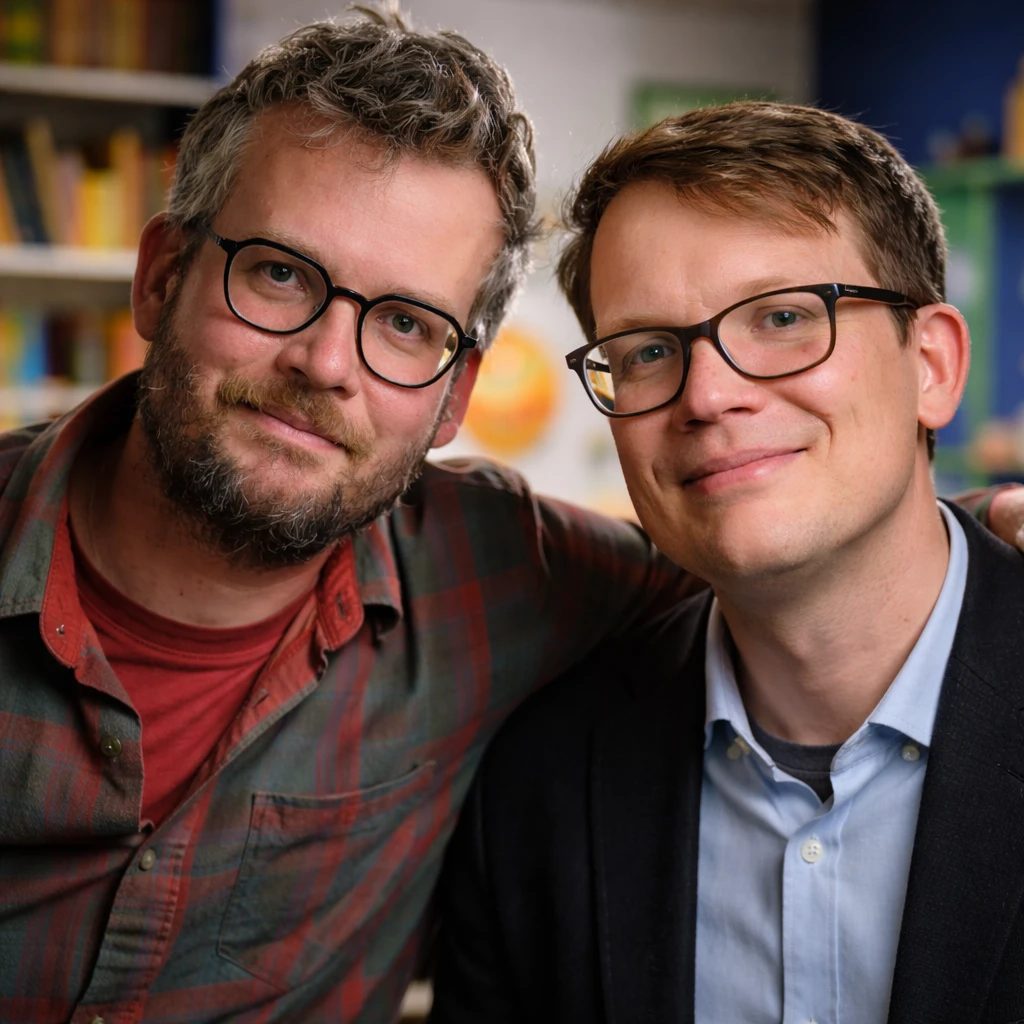
Hank and John Green, widely recognized for their popular "Crash Course" video series, have made a significant operational change by converting their educational media company, Complexly, into a nonprofit organization. This transformation is designed to ensure the ongoing provision of high-quality, fact-driven content accessible without cost to viewers, free from advertiser influences prevalent in the current digital attention economy.
The brothers, who have collectively amassed billions of views across various subjects ranging from animal biology to Latin American history, have long sought to maintain their educational videos as freely available resources. Hank Green described the mission of Complexly as one centered on delivering reliable information on the internet rather than pursuing conventional business growth strategies or eventual sale.
John Green emphasized the paradoxical information environment in which there exists an abundance of data but a scarcity of trustworthy sources. Transitioning Complexly to operate as a public good represents a strategic evolution in their longstanding objective to produce dependable and engaging educational content.
Julie Walsh Smith, Complexly's CEO, indicated that the nonprofit status had been contemplated for several years as part of a wider strategy following robust philanthropic support. In 2023 alone, Complexly attracted $4.8 million in philanthropic contributions, mainly from established partners including YouTube, PBS, and the Alfred P. Sloan Foundation. Additional underwriting for specific "Crash Course" series has come from institutions such as Arizona State University and the Howard Hughes Medical Institute.
While approximately 10% of Complexly's revenue originates from YouTube's revenue-sharing programs and about another 10% is sourced from Patreon subscriptions, the organization's confidence in securing individual donations is reinforced by strong audience engagement and backing. Patreon supporters typically contribute $5 to $10 monthly, which supports the production of series like "Crash Course." Furthermore, Complexly sells collectible "Crash Course" silver coins annually, some priced in the thousands, with top-tier buyers expressing willingness to increase support although sometimes hesitant to contribute to a for-profit entity.
This diversified support mechanism provides the studio with flexible funding to prioritize projects believed to maximize educational impact and reach. Hank Green underscored the challenge inherent in competing for viewers’ attention against viral content such as entertainment videos and sensational clips on platforms like YouTube. The Greens view the responsibility of producing educational videos that audiences prefer to watch as a central goal amid this competition.
The transition to nonprofit status entails the founders relinquishing any equity stakes in Complexly. Despite this, the nonprofit, headquartered in Montana and employing roughly 80 staff members, anticipates continued growth without necessitating the founders' daily operational roles. John Green will assume the title of "founder emeritus," with an undefined role that he looks forward to developing, while Hank Green will continue contributing through board participation and by hosting selected programs.
CEO Smith has portrayed this shift as the founders moving from active leadership to advisory and supportive roles. John Green assured audiences that the viewer experience will remain consistent and highlighted the potential for new shows previously unviable under a for-profit model. Complexly has earmarked $8.5 million for undeclared new content, including plans to finance a series exploring behind-the-scenes aspects of zoos and museums, focusing on exhibits not typically shown to the public.
Regarding engagement on emerging platforms, Smith emphasized a primary focus on YouTube, while maintaining presence in other digital spaces aligned with audience activity. This strategic approach reflects a commitment to meeting viewers on their preferred platforms without diluting the quality and integrity of educational offerings.
The Greens’ move also responds to broader challenges in sustaining digital media enterprises reliant on advertising revenue. Both brothers have highlighted concerns about dependency on advertising-funded internet models, citing complexities experienced over their combined 25 years in digital content creation. Through philanthropy and diversified funding, Complexly aims to serve its audience's interests exclusively, distinct from traditional commercial digital media trajectories, which frequently resort to paywalls or subscription fees. The Greens have expressly rejected such monetization strategies for their educational content.
Historically, Hank and John Green have been active in philanthropy through their Foundation to Decrease World Suck, distributing over $17 million to various causes, funded in part by proceeds from their Good Store retailer. Their experience in nonprofit work has informed their understanding of balancing operational agility with the demands of nonprofit governance. John Green cited examples of nonprofits effectively employing innovative digital solutions, underscoring that nonprofit status need not impede nimble operations when structured thoughtfully.
The Greens hope their transition will encourage similar organizations to consider nonprofit pathways while demonstrating effective models for running digital media companies dedicated to public benefit.