
In the wake of a widespread winter storm stretching over 1,300 miles across the United States, residents are dealing with heavy snowfall, freezing ice, and cold temperatures that have severely disrupted daily life. This storm has resulted in downed power lines and hundreds of thousands of households without heat or electricity, particularly in southern regions, while travel difficulties persist from Arkansas to New England.
During such times, the idea of enjoying fresh snow—whether by catching snowflakes or making nostalgic treats like snow cream—entices many. Dr. Sarah Crockett, an emergency and wilderness medicine specialist at Dartmouth-Hitchcock Medical Center in New Hampshire, encourages spending time outdoors even in winter. She acknowledges the simple pleasure of savoring fresh snow as a moment to connect with nature but stresses mindful choices to ensure safety.
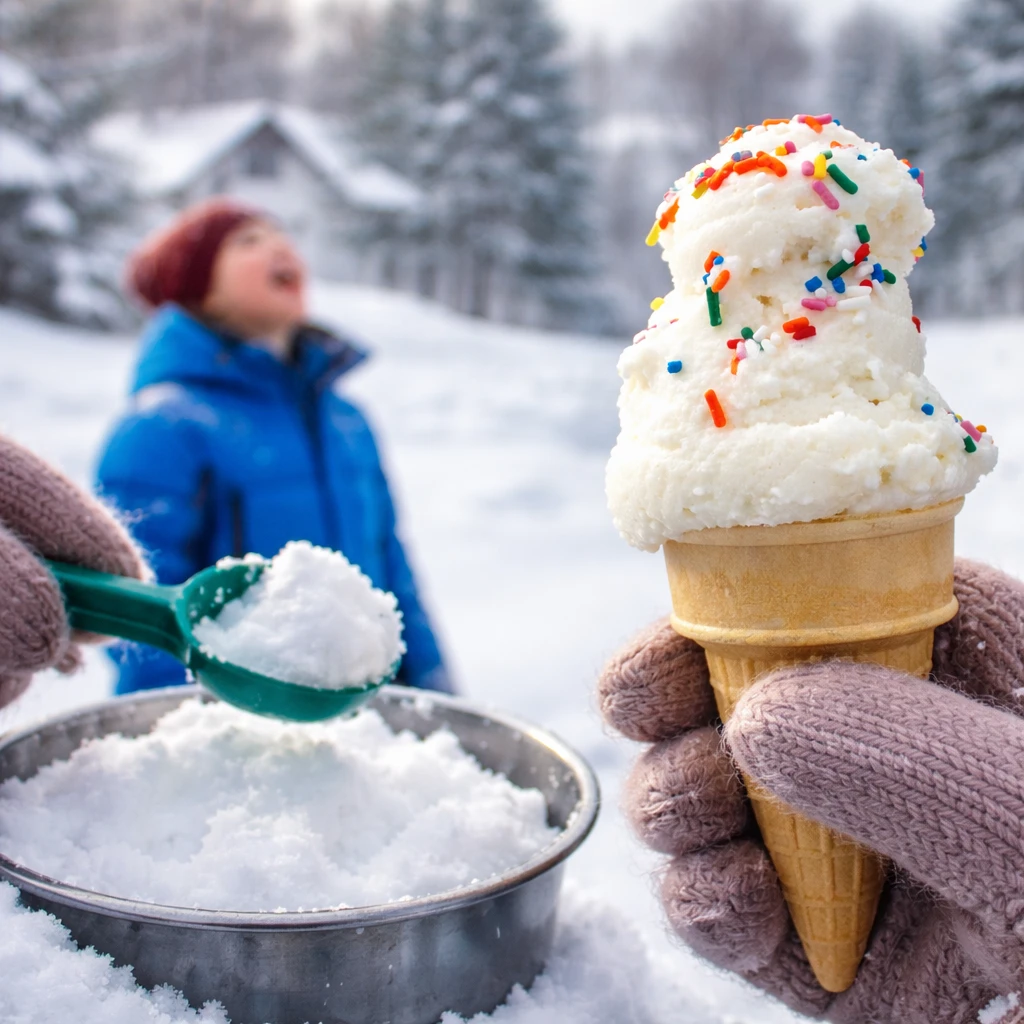
Snow cream is a common homemade dessert prepared by mixing fresh snow with sweetened condensed milk, sugar, and vanilla. The trend has revived on social media platforms such as TikTok, where users also share recipes for 'sugar on snow,' a confection created by pouring hot maple syrup on snow, turning it into a taffy-like treat. Despite the tempting, pristine appearance, experts caution that not all snow is safe for consumption.
Steven Fassnacht, a snow hydrology professor at Colorado State University, explains that as snow falls, it collects pollutants from the atmosphere, often more so than rain. Snowflakes' slower fall and larger surface area allow them to attract more airborne contaminants. Areas near industrial sites like coal plants deposit higher pollutant levels onto snow. Fassnacht notes that in regions without significant industrial activity, like Shinjo, Japan, sampling fresh snow carries less risk.
Crockett echoes these concerns, advising scrutiny of a storm’s progression before collecting snow for eating, as the initial snowfall tends to contain the highest concentration of particulates. Ground-level contamination also poses risks, so avoiding snow that has turned yellow, possibly from animal urine or decaying organic matter, is standard advice. Additionally, snow that has been plowed and mixed with road salts and chemicals should be strictly avoided.
When it comes to survival situations, consuming snow directly is discouraged. Crockett explains that eating snow uses body heat to melt the ice in the mouth, leading to a net loss of core body temperature and posing hypothermia risks. For outdoor enthusiasts, melting and purifying snow for drinking water is essential but not an immediate hydration solution. The priority in emergencies is to seek assistance rather than rely on snow consumption as sustenance.
Despite such cautionary advice, Fassnacht shares the sensory enjoyment of eating snow cream, describing it as a delightful and whimsical experience that prompted reflections on the different flavors and textures fresh snow offers. Similarly, Crockett expresses concern that excessive warnings may cultivate unnecessary anxiety, especially in children, and diminish the natural joy found in these simple winter rituals.
She highlights the importance of fostering a connection to nature through these experiences, sharing the perspective of her own child who describes snow eating as a way to feel connected to the Earth. Striking a balance between safety awareness and allowing children to enjoy the outdoors without fear is a key message from experts.