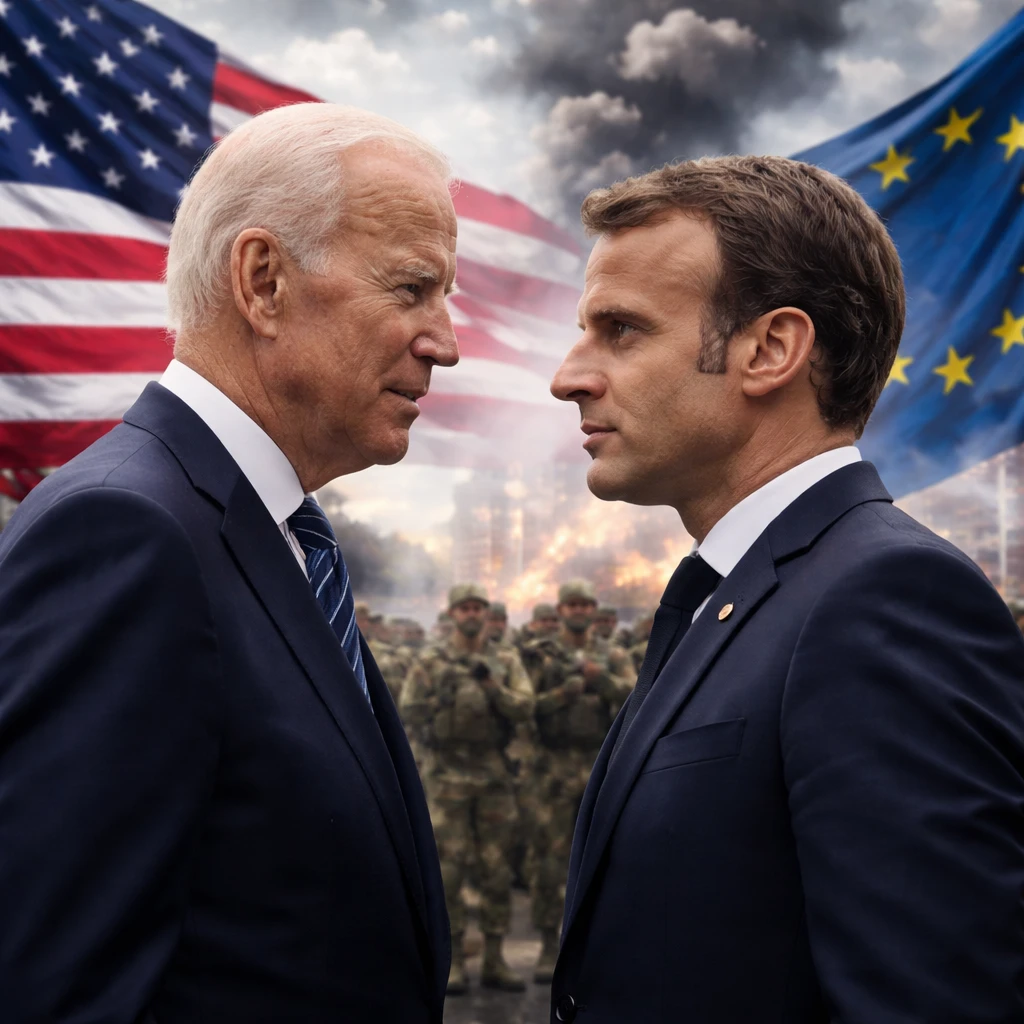

The United States and Europe have experienced multiple episodes of sharp disagreement throughout their post-World War II alliance, with tensions arising over strategic, military, and trade issues. These divergences, occasionally erupting into diplomatic crises, have tested the cohesion of trans-Atlantic relations over the decades.
One early flashpoint occurred in 1956, during the Suez Crisis. France, the United Kingdom, and Israel launched an invasion of Egypt intending to depose President Gamal Abdel Nasser and regain control over the Suez Canal. The U.S. responded with significant diplomatic and economic measures to halt the invasion. This intervention strained U.S. relations with Britain and France, two pivotal Cold War allies, and marked a shift as postwar European influence began to wane.
During the Vietnam War era, most European countries expressed diplomatic support for the United States while refraining from sending military troops. Widespread anti-war demonstrations across Europe put pressure on governments, forcing them to balance support for Washington with public opposition. These internal conflicts complicated trans-Atlantic cooperation during the period.
The 1980s saw another major dispute during the Euromissile crisis. In response to the Soviet Union's deployment of SS-20 missiles capable of rapidly striking Western Europe, NATO installed American Pershing nuclear ballistic and cruise missiles on European soil to preserve strategic balance. This action provoked significant public backlash in Europe, where massive anti-nuclear protests frequently directed criticism at Washington.
The U.S.-led invasion of Iraq in 2003 deepened rifts, especially with France and Germany, who declined to endorse the military action against Saddam Hussein's regime. U.S. Defense Secretary Donald Rumsfeld openly criticized Paris and Berlin as "Old Europe," contrasting them with Eastern European nations labeled "New Europe" for their support of the war, highlighting divisions within the alliance.
In the context of the "war on terror," the United States conducted extraordinary rendition operations, detaining and transferring suspects to other countries for interrogation and often harsh treatment beyond U.S. legal oversight. While some European governments cooperated, public outcry compelled many leaders to publicly condemn such practices, revealing tensions around security policies and human rights.
The war in Ukraine introduced further strain when President Donald Trump assumed office in January 2025. He altered prior U.S. approaches by expressing favorable views toward Russian President Vladimir Putin while showing reluctance to support Ukrainian President Volodymyr Zelenskyy. Subsequently, U.S. military aid to Ukraine was markedly reduced. European leaders, perceiving direct threats to their security, urged continued U.S. backing for Ukraine.
President Trump's administration also issued a national security strategy in December that year, characterizing European allies as vulnerable. The document sharply criticized European migration and free speech policies and suggested their survival as cultures was at risk, while questioning their dependability as long-term U.S. partners.
Trade relations also suffered as U.S.-Europe tensions escalated. In July, President Trump threatened the European Union, the United States’ largest trading partner, with substantial tariffs. Initially proposing a 30% tariff on goods from the 27-nation bloc, subsequent negotiations produced an agreement settling on a 15% tariff on most items, signaling a hostile atmosphere in commercial interactions.
These recurring episodes underscore the recurring challenges in maintaining strong cooperation between the United States and Europe, reflecting divergent strategic priorities, political cultures, and economic interests that continue to influence the alliance.