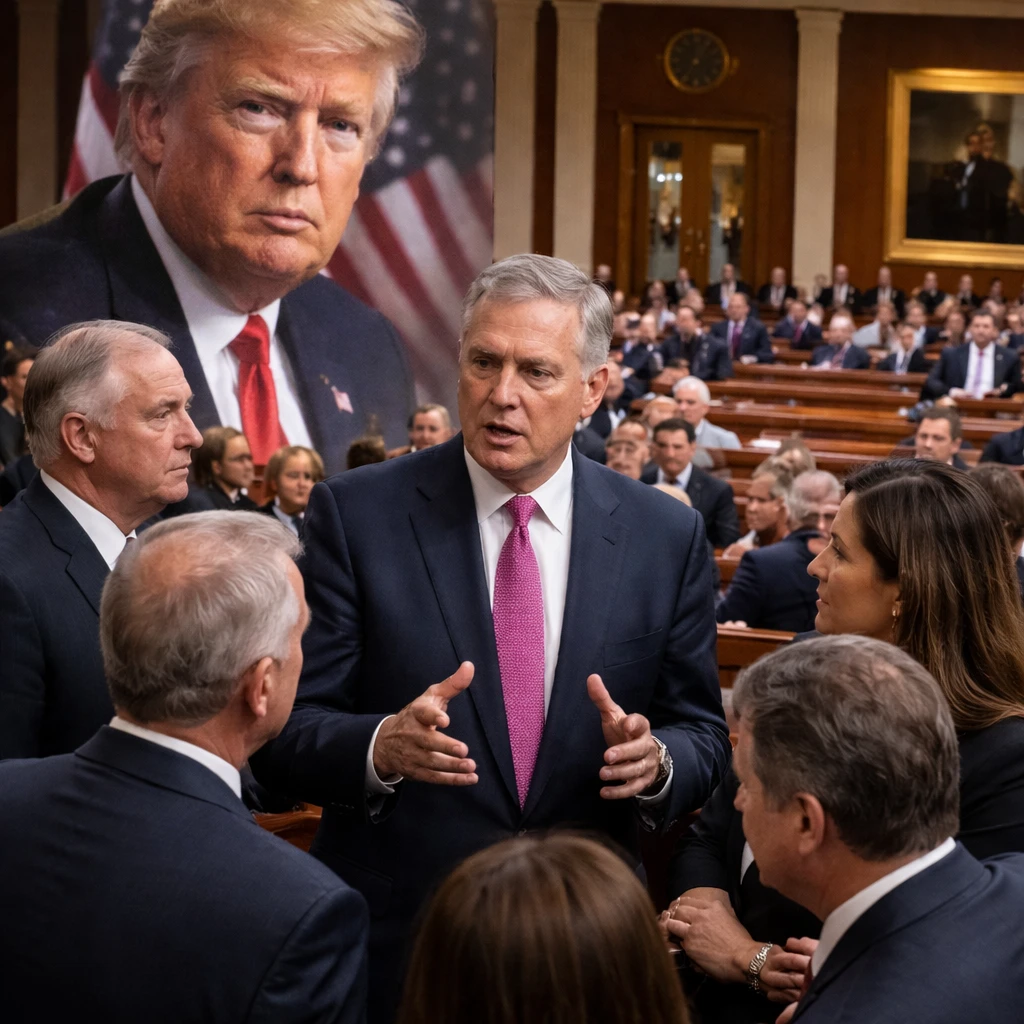

WASHINGTON – In an uncommon move, House Republicans are preparing for votes to potentially override President Donald Trump's vetoes on two pieces of legislation, both largely regarded as noncontroversial when passed. The bills under consideration would facilitate a water pipeline project benefitting thousands in Colorado and officially include a location within Everglades National Park as part of the Miccosukee Indian Reservation.
Neither bill drew veto warnings prior to their congressional approvals, making Trump's sharp criticisms in his veto messages unexpected to their proponents. Analysts note that this action appears to penalize supporters who have previously opposed the president's stances on other issues.
The water pipeline legislation was introduced by Republican Representative Lauren Boebert from Colorado, a known Trump supporter who recently diverged from the former president by publicizing documents related to convicted offender Jeffrey Epstein. The bill concerning the Miccosukee Tribe would grant increased authority over certain tribal lands, affecting one group involved in litigation against the administration over the so-called "Alligator Alcatraz" immigration detention center.
A successful veto override requires a two-thirds majority in both chambers, yet uncertainty remains if sufficient Republican members, who control Congress, will defy the president as the midterm election season approaches and seek Trump's endorsement.
Republican responses show divisions
House Speaker Mike Johnson, a Republican from Louisiana, conveyed that leadership is not directing or pressuring members on how to vote. Johnson personally favors upholding the vetoes, citing that the president's objections seem reasonable. At the same time, he acknowledged Colorado lawmakers' concerns and pledged assistance with the pipeline issue.
Representative Boebert indicated ongoing discussions with fellow lawmakers about overriding the veto but expressed doubt about reaching the required two-thirds support. Some Republicans are reluctant to oppose the president, despite the bipartisan nature of the bill’s initial approval. Boebert argued the president received misleading information about the legislation, emphasizing the bill's goal to provide water users extended repayment periods for the project costs. When asked about a possible connection between the veto and her role in releasing Epstein-related files, she expressed hope this was not the case. Trump's veto message, while critical of the pipeline bill's finances, did not specifically reference Boebert.
The Florida bill, pushed by Republican Representative Carlos Gimenez, who is endorsed by Trump, authorized the inclusion of a populated village within the Miccosukee Reservation. This would empower the tribe to regulate water inflow to the Everglades and permit raising structures to mitigate flooding risks. However, Trump's veto criticized the tribe for actions opposing immigration policies supported by the electorate during his presidency.
Other House Republicans expressed differing views: Representative Don Bacon of Nebraska said he plans to support overriding the vetoes, noting both bills had unanimous passage and expressing disagreement with the president’s reasons for rejection. Conversely, Representative Nicole Malliotakis of New York intends to sustain the vetoes, citing constituent support for Trump.
Senate response and wider implications
In the Senate, Republican leaders are withholding commitment on how they might act if the House successfully overrides the vetoes. Senator John Barrasso, the chamber’s second-ranking Republican, remarked that decisions will depend on the House's forthcoming actions.
During President Trump's first term, he vetoed ten bills, with Congress managing to override only one, a defense policy bill vetoed near the end of his tenure, highlighting the rarity of such congressional challenges to presidential decisions.