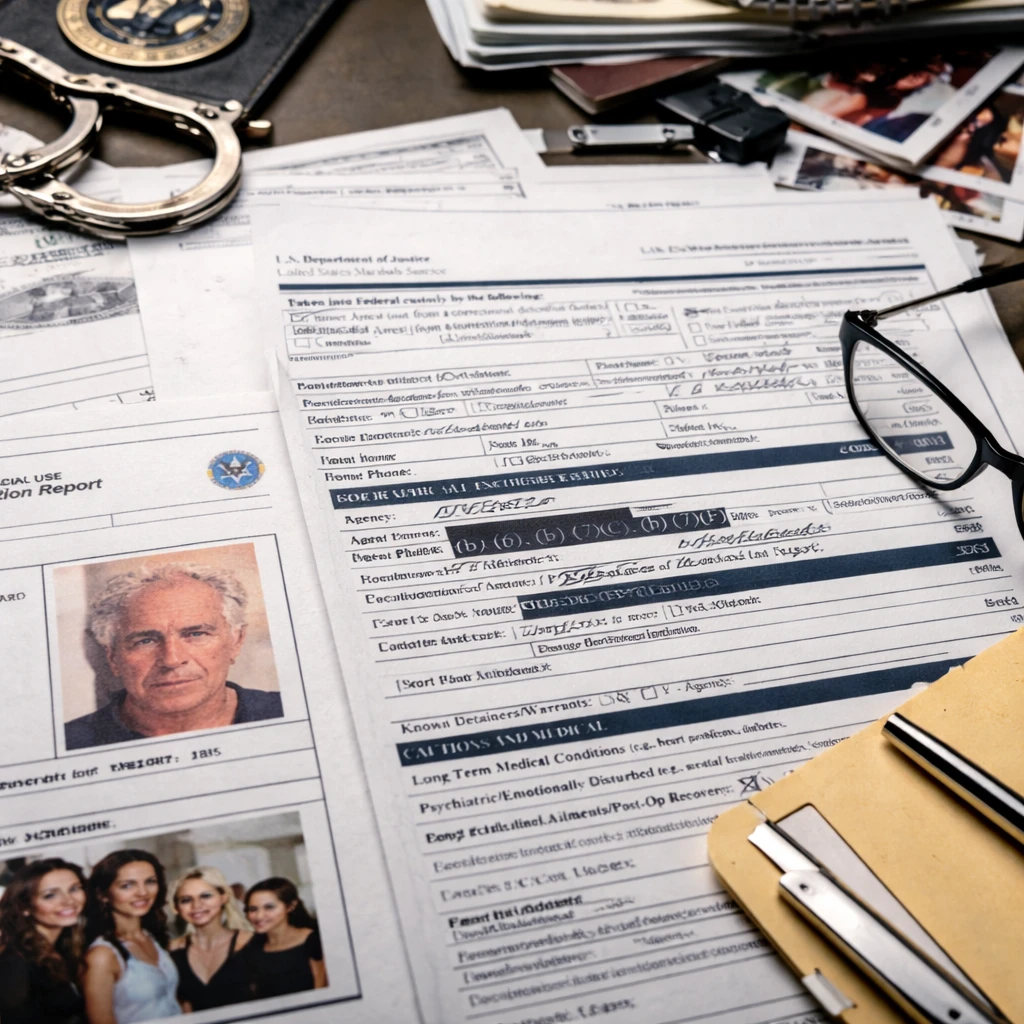

The Federal Bureau of Investigation collected substantial evidence confirming Jeffrey Epstein's sexual abuse of underage females. However, the probe failed to uncover compelling proof indicating he operated a sex trafficking network serving prominent men, according to a detailed examination of confidential Justice Department documents.
Seized videos and photographs from Epstein's residences in New York, Florida, and the U.S. Virgin Islands were scrutinized extensively. Despite containing nude images of females, investigators did not find content depicting sexual abuse or implicating any third parties. A prosecutor noted in a 2025 internal memo that such materials did not expose victim abuse or involve others in criminal conduct.
Moreover, analysis of Epstein's financial records, including transactions with organizations tied to notable individuals in finance, academia, and diplomacy, yielded no validated links to unlawful activities, a 2019 internal memo indicated.
In a summary email from July 2024, FBI agents indicated that "four or five" victims claimed others had also sexually abused them. Nonetheless, investigators concluded there was insufficient evidence to file federal charges against those alleged individuals.
Media organizations, including this publication, continue evaluating millions of pages from the Justice Department’s disclosure under the Epstein Files Transparency Act. These newly revealed documents could contain evidence that escaped investigators' attention, although no direct proof has yet emerged.
Foundation and Evolution of the Investigation
The investigation originated in 2005 when the parents of a 14-year-old girl reported her molestation at Epstein’s Palm Beach estate. Subsequently, Alexander Acosta, then the U.S. attorney in Miami, brokered a deal whereby Epstein pleaded guilty to state prostitution charges involving a minor, resulting in an 18-month jail term, which Epstein served partially and was released by 2009.
The probe gained renewed impetus in 2018 after investigative journalism highlighted controversial plea arrangements, leading to Epstein’s 2019 arrest. His subsequent death by suicide in jail followed shortly. In 2020, prosecutors charged his alleged associate, Ghislaine Maxwell, accusing her of recruiting victims and participating in assaults. Maxwell was convicted in 2021 and sentenced to a 20-year prison term.
Challenges in Corroborating Coconspirator Involvement
Documents including prosecution memoranda and case summaries reveal FBI and federal prosecutors pursued potential accomplices vigorously, investigating even improbable leads submitted via tip lines. Many claims could not be substantiated.
Virginia Roberts Giuffre, a notable accuser, was interviewed in 2011 and again in 2019. She alleged Epstein arranged for her to have sexual encounters with numerous influential men, including a former British royal. Investigators verified Epstein's abuse of Giuffre but flagged inconsistencies and partial fabrications in her statements. She admitted her memoir contained fictional elements, and during interviews, her accounts showed inconsistencies.
Furthermore, two other alleged victims whom Giuffre said were also trafficked to powerful men denied such experiences during interviews. These contradictions impeded prosecutors from advancing charges related to other individuals.
Evidence Review: Visual Materials and Financial Activities
Extensive searches of Epstein’s electronic devices and properties yielded CDs, photographs, and at least one videotape featuring nude women. However, none displayed abuse or involved any male participants, nor did they link others to Epstein's offenses. This absence of incriminating visual evidence was pointed out by then-Assistant U.S. Attorney Maurene Comey in a 2024 email. The presence of such materials would have prompted further inquiries.
Financial audits uncovered payments to more than two dozen women resembling models but failed to confirm any trafficking operations or the prostitution of women to other men. Prosecutors considered, but ultimately refrained from, charging individuals associated with Epstein, including staff and business affiliates, due to lack of sufficient evidence.
Absence of a 'Client List'
Attorney General Pam Bondi publicly stated in early 2025 that a previously unreleased "client list" was in her possession. Conversely, FBI officials communicated within the bureau in late 2024 and early 2025 that no such list was ever found during the course of the investigation. This divergence underscores ongoing skepticism toward claims of comprehensive “client lists” related to Epstein.
On December 30, 2024, then-FBI Deputy Director Paul Abbate inquired through intermediaries about the existence of a client list. The following day, the FBI confirmed to leadership that no such list had been identified by case agents. Further confirmation came on February 19, 2025, when a supervisory special agent clarified that investigators did not locate any client documentation referenced in public discourse.
This inquiry was conducted through a collaborative media effort reviewing the Justice Department’s disclosures, with each publication independently analyzing and reporting on the findings.