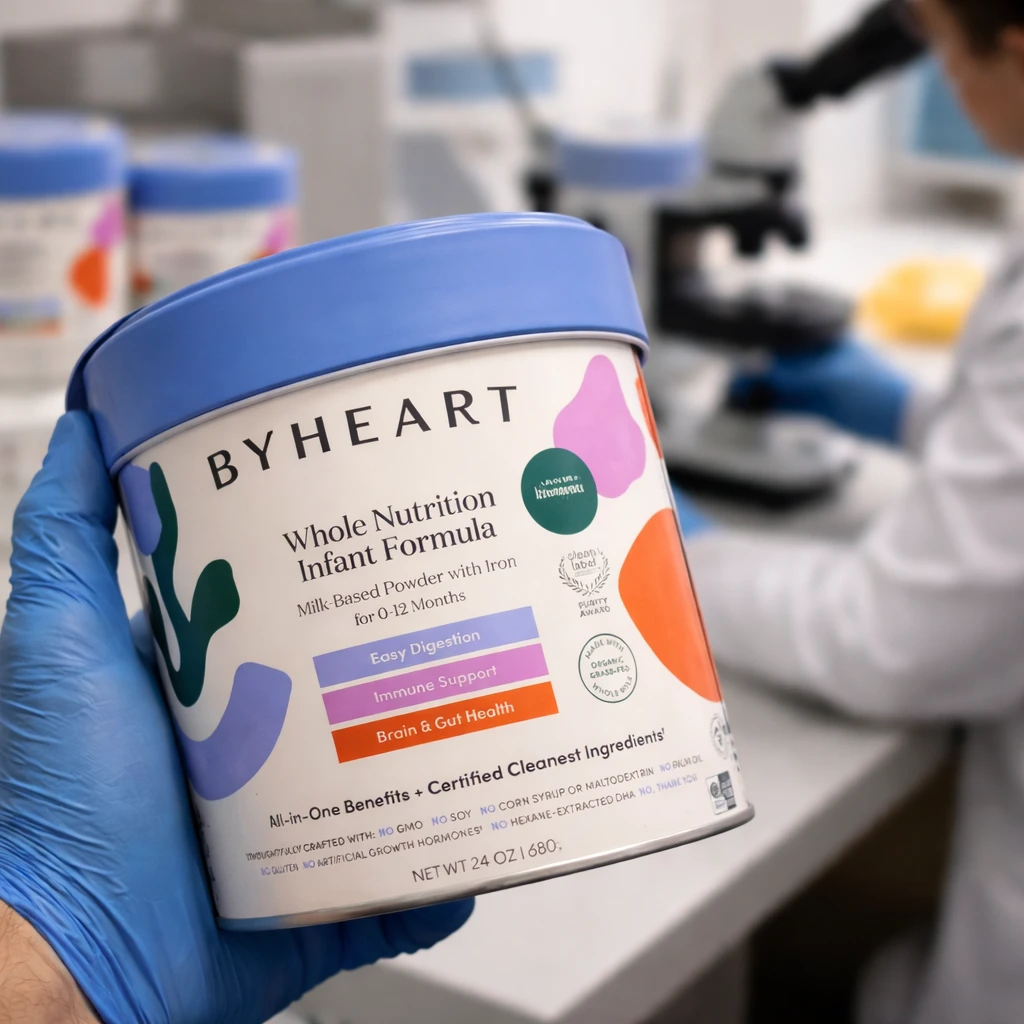

The U.S. Food and Drug Administration has found evidence suggesting that powdered whole milk utilized in the production of ByHeart infant formula might be the origin of a botulism outbreak that has impacted dozens of infants nationwide. According to regulatory authorities, analyses detected the botulinum-causing bacterium in two distinct samples associated with the formula.
Specifically, the FDA identified bacterial contamination in an unopened can of the formula that matched samples taken from a diagnosed infant. Further testing revealed the same strain of bacteria present in samples of organic whole milk powder provided to ByHeart, which were collected and analyzed by the company itself.
The agency also reported finding contamination in a separate whole milk powder sample supplied to ByHeart, which corresponded with contamination in a finished product sample of the infant formula. While these results are indicative, the FDA confirmed the investigation is ongoing to accurately pinpoint the contamination’s origin and prevent further incidents.
ByHeart’s management released a statement acknowledging that these new findings bring them substantially closer to identifying the core cause of contamination. However, neither the company nor the FDA disclosed which supplier provided the powdered whole milk.
Despite these developments, the FDA stressed that there is currently no evidence to implicate a larger issue in the overall infant formula supply chain. ByHeart, headquartered in New York, has been central to a botulism case cluster affecting 51 infants from 19 states, with cases reported since December 2023.
The emergence of the problem traces back to November when healthcare providers in California, who administer the only approved treatment for infant botulism, noted an increase in cases among infants consuming ByHeart formula.
The Centers for Disease Control and Prevention reported no new botulism cases stemming from this outbreak since mid-December. Originally, ByHeart recalled two specific product lots but quickly broadened the recall to encompass all its infant formula products. Federal health officials have indicated that they cannot dismiss the possibility of contamination affecting all products manufactured since ByHeart’s launch in March 2022.
This expansion followed company internal testing announced in November, which found that six out of 36 formula samples from three different lots contained the bacterium responsible for infant botulism. Experts in food safety regard the outbreak’s magnitude and scale as unprecedented given the rare incidence of such contamination in infant formulas.
While some manufacturers conduct testing of both raw materials and finished products for potential contamination, advocacy leaders call for mandatory requirements. Sarah Sorscher, regulatory affairs director at the Center for Science in the Public Interest, emphasized the necessity of FDA-initiated testing programs and noted the current absence of such regulatory strategies.
In terms of accountability, attorney Bill Marler, representing over 30 affected families, articulated that even if contamination is traced to milk suppliers, ByHeart retains full legal and moral responsibility for damages caused by its product.
ByHeart’s market share accounted for approximately 1% of the U.S. infant formula sector and reportedly marketed some 200,000 cans monthly. The product positioned itself as resembling human breast milk by employing “organic, grass-fed whole milk” as a key ingredient. Parents who selected this relatively high-cost formula, priced at about $42 per can, cited its purported health advantages.