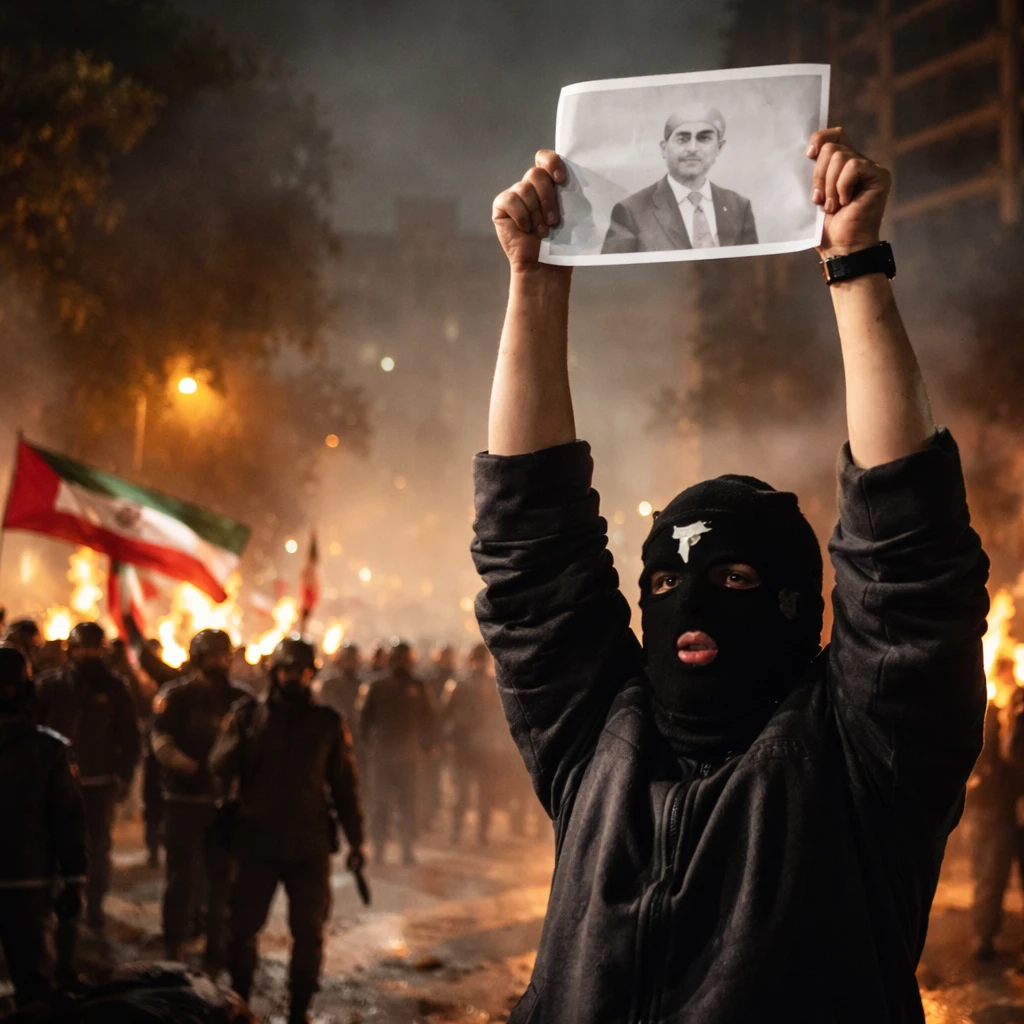

On Thursday evening, the Iranian government executed a comprehensive shutdown of internet and telecommunication services across the country, severing the Islamic Republic's 85 million residents from international digital connections. The blackout strategy, familiar from both wartime and protest suppression contexts, aimed to halt the flow of information between Iranians at home and their extensive communities abroad in regions such as the United States and Europe.
Despite preexisting sanctions related to Iran's nuclear activities, Iranian citizens previously maintained limited access to mobile applications and certain websites through virtual private networks, circumventing government-imposed restrictions. Thursday's enforced disconnection severely restricts the public's ability to share videos, images, and firsthand accounts from ongoing nationwide protests fueled by the nation's economic decline. This development complicates the international community's ability to monitor the situation and may mask further responses by authorities, including potential violent crackdowns following United States warnings to Tehran regarding consequences tied to protester fatalities.
As the communications blackout persists, families overseas struggle to receive updates. Iran's attorney general has issued a stark warning labeling protest participants as "enemies of God," a classification that carries the death penalty. This pronouncement heightens fears surrounding the safety of those involved in the demonstrations.
Azam Jangravi, a cybersecurity expert and vocal critic of the Iranian regime based in Toronto, expressed deep concern for relatives risking public protest. She described the psychological weight experienced by diaspora members, explaining how ongoing unrest disrupted her own professional obligations amid worry for loved ones facing life-threatening risks. "A lot of people are being killed and injured by the Islamic Republic of Iran, and we don’t know who," she noted somberly.
This marks the third occasion on which Iran has implemented a nationwide internet blackout to control civil unrest. The initial shutdown occurred in 2019 during protests sparked by increased government fuel prices, a period marked by the deaths of over 300 individuals. More recently, the 2022 demonstrations erupted after the death of Mahsa Amini, who perished following her detention by morality police over hijab violations, leading to a crackdown resulting in more than 500 fatalities.
While the introduction of Starlink satellite internet technology played a role in facilitating connectivity during the Amini protests, current deployments of Starlink receivers in Iran have expanded significantly despite governmental prohibitions rendering their use illegal. An official from the previous year estimated tens of thousands of active receivers nationwide, a figure corroborated by internet freedom advocates. Some users possess these receivers for business needs, but an increasing number leverage the technology to transmit multimedia documenting the ongoing protests.
However, Starlink services face substantial disruption attempts from Iranian authorities. Since the June 2023 conflict with Israel, Iran has engaged in GPS signal jamming to impair drone operations. Given Starlink's reliance on GPS for accurate satellite communication, its functionality is severely compromised. Digital rights expert Amir Rashidi has recorded a 30% data packet loss on Starlink devices post-blackout initiation, peaking at 80% loss in certain regions. Additional interference tactics, potentially similar to historical satellite television jamming practices, appear in use.
The United Nations' International Telecommunication Union has previously urged Iran to cease such jamming activities. Correspondingly, Tehran has advocated before the ITU to halt Starlink operations within its jurisdiction.
With conventional communications blocked, the bulk of information leaving Iran depends on the covert use of Starlink devices, elevating risks for operators. Holders of these receivers face legal jeopardy under charges of espionage, punishable by execution according to fears shared by diaspora observers like Jangravi. Conversely, avoidance of these technologies would further isolate Iran’s internal realities from global scrutiny during a critical period.
Mehdi Yahyanejad, a Los Angeles-based internet freedom activist, emphasized the precarious balance protesters face, noting the unsustainability of peaceful demonstrations amid harsh government violence. He cautioned that without international response or internal change within days, Iran’s protests could lose momentum, underscoring the urgency of timely intervention or support.