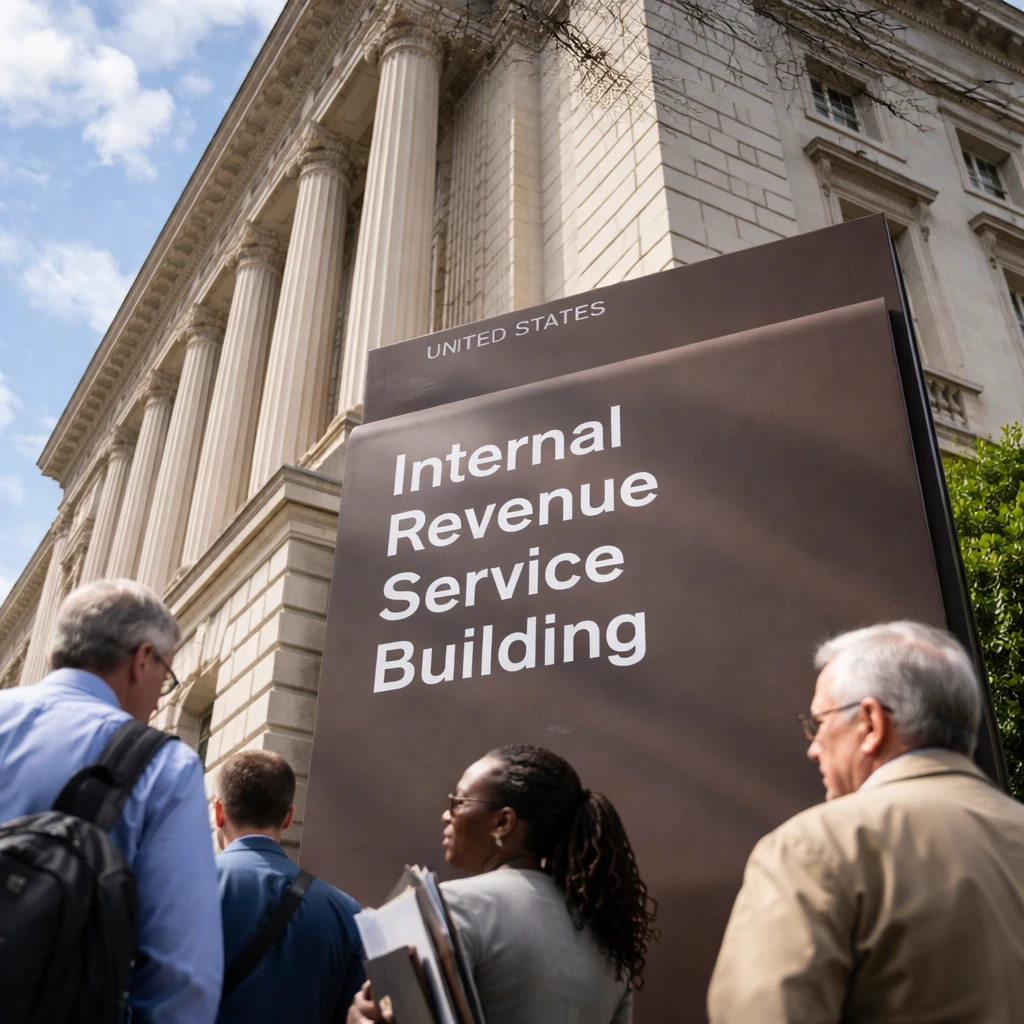

WASHINGTON - As the 2026 tax filing season unfolds, the Internal Revenue Service is confronting several pressure points that could complicate the tax return experience for many Americans. Highlighting this concern, National Taxpayer Advocate Erin M. Collins delivered her annual report to Congress shortly after the tax season commenced, signaling a markedly altered operational landscape compared to recent years.
Collins' analysis points to three significant challenges converging on the IRS simultaneously: a 27% decrease in its staff, frequent turnovers in agency leadership, and the enforcement of new, comprehensive tax provisions mandated by legislative measures enacted last summer under the Republican administration and signed into law by President Trump. These factors collectively present a multifaceted operational strain heading into 2026.
Despite these headwinds, Collins expressed that a majority of taxpayers should expect to file their returns and receive refunds without major delays. However, she emphasized that the true measure of success for the season will hinge on the IRS's capacity to support the millions of taxpayers who encounter complications during filing, an experience likely exacerbated by the agency's reduced human resources and policy changes.
The IRS kicked off the filing season on Monday with messages of confidence from top officials. Treasury Secretary Scott Bessent and IRS CEO Frank Bisignano have both publicly endorsed expectations of a smooth filing process. Bisignano recently communicated a reorganization of IRS leadership and a new set of priorities designed to streamline operations, underscoring his confidence in the agency’s preparedness to meet the public’s needs during this critical period.
Alongside these structural changes, officials have reiterated promises of "substantial tax refunds" as a component of the administration’s initiative to address ongoing economic affordability issues in the United States, signaling a politically charged backdrop to the operational challenges.
Conversely, additional oversight voices have raised alarms about the state of IRS readiness this season. Diana M. Tengesdal, Deputy Inspector General for Audit at the Treasury Inspector General for Tax Administration, addressed concerns in a letter to IRS leadership early this week. She highlighted that current IRS staffing levels correspond to those of October 2021, despite a 28% reduction in personnel since the beginning of 2025, alongside a backlog of thousands of unprocessed tax returns and taxpayer inquiries.
The IRS workforce diminished from approximately 102,000 employees at the start of 2025 down to roughly 74,000 by year-end due to a wave of terminations and layoffs initiated under a government efficiency mandate. This attrition especially affected customer service representatives who, unlike in 2025, were now permitted to accept buyout options prior to the tax deadline, leading to an elevated employee exodus.
While modernization initiatives are underway within the IRS to improve tax administration and offset the ramifications of staff shortages, Tengesdal's supervisory office expressed skepticism regarding the immediate effectiveness of these projects during the 2026 filing window, cautioning that anticipated benefits may not fully materialize in time to alleviate service pressures.
Statistical data from the prior filing season offers some context: more than 165 million individual income tax returns were processed in 2025, with 94 percent transmitted electronically. The average refund issued amounted to $3,167, reflecting a significant volume and value of return activity managed by the IRS despite ongoing operational challenges.