In Mexico City on Monday, a coalition of lawyers and family members of prominent cartel operatives accused the Mexican government of exceeding its legal authority by transferring approximately 100 Mexican nationals involved in organized crime to the United States without standard extradition procedures. This development comes just days after the administration led by President Claudia Sheinbaum deported 37 detained cartel members, a step observers interpret as an effort by Mexico to placate growing threats from then-U.S. President Donald Trump concerning potential military action against drug cartels.
Since February, three separate deportations comprising 92 cartel members have taken place, each originating from requests by the U.S. administration. These operations align with Sheinbaum's strategic campaign to dismantle cartel influence while nurturing cooperative relations with the United States. However, these actions have ignited contentious legal debates, intensified since last week's latest transfer.
Mexican officials maintain that these transfers are lawful, asserting they fall under the umbrella of national security measures. U.S. authorities have stated that many of the individuals possess pending extradition warrants connected to criminal charges within the United States.
During a Monday press conference, defense lawyers contended their clients were deprived of due process because they were handed over absent a formal extradition procedure, which ordinarily entails an elaborate legal process within Mexico's judicial system.
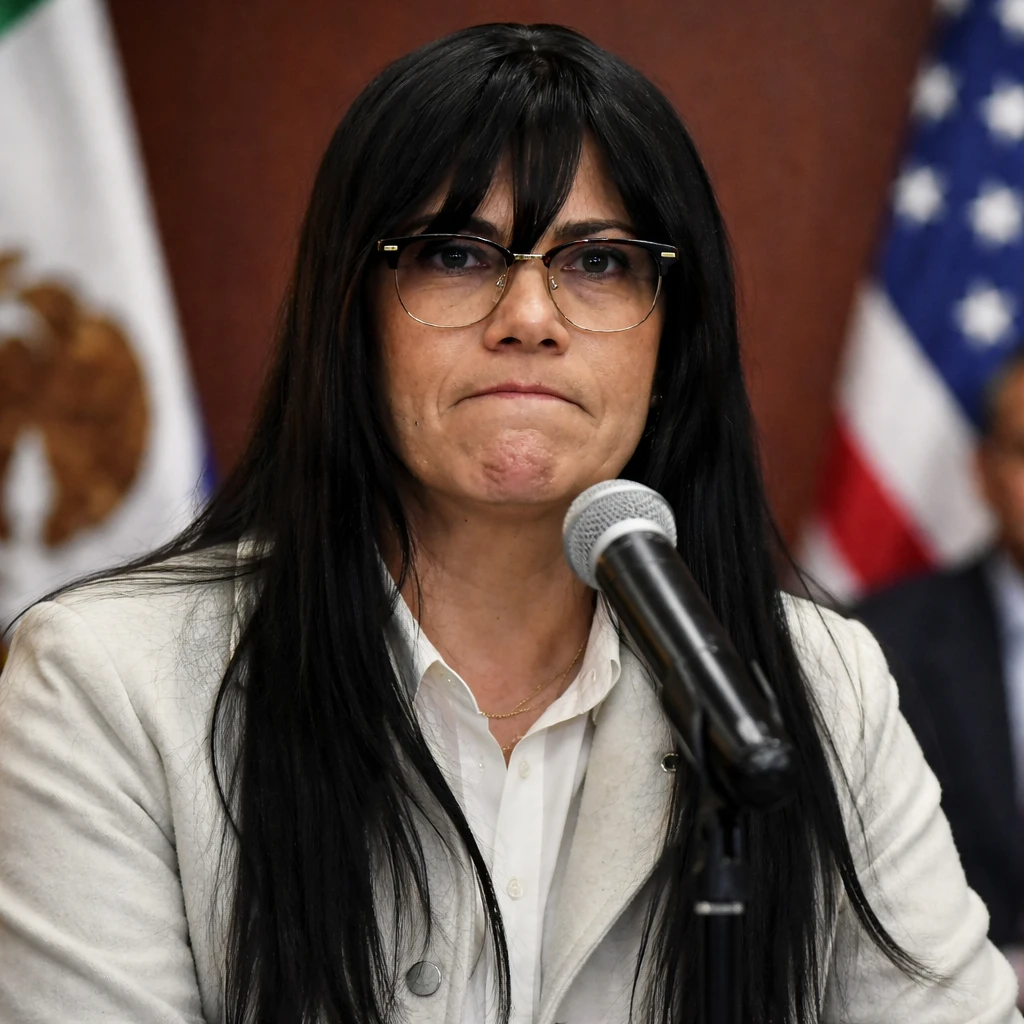
Attorney Yarey Sánchez Lagunas, representing two cartel affiliates recently deported, underscored the significant influence of U.S. pressure on Mexico, suggesting political considerations may be driving these decisions at the expense of legal norms. "Mexico is currently under intense pressure from the United States," Sánchez Lagunas said. "This forces us to seriously question if these decisions are being used to show political results, even if it comes at the expense of due process or the rule of law."
The grievances voiced by these legal advocates reflect earlier arguments from the defense team of Joaquín “El Chapo” Guzmán, the notorious cartel leader currently serving a life sentence in a Colorado penitentiary.
Sánchez Lagunas serves as counsel for Itiel Palacios García, a leader within the Jalisco New Generation Cartel deported to the U.S. last February, as well as Pablo Edwin Huerta Nuño, a regional head of the Arellano Félix Cartel removed in August. Furthermore, Vanesa Guzmán, the partner of a key Zetas cartel figure, formally lodged a criminal complaint against senior Mexican officials, including Security Minister Omar García Harfuch, who has been instrumental in anti-cartel operations. Guzmán’s partner, Juan Pedro Saldívar Farías—accused of arms and narcotics trafficking—was among the recent deportees.
Guzmán's legal filing, submitted Monday to Mexico's Attorney General's Office, accuses certain government representatives of "treason." Despite this, attorneys of the deported cartel members acknowledge limited legal recourse within Mexico since their clients reside abroad. "The transfer of my partner is nothing less than exile," Guzmán lamented. "As of today, we haven't heard anything from him. He hasn’t even made his legally permitted call."
Conversely, some experts like Mike Vigil, former chief of international operations for the U.S. Drug Enforcement Administration, downplayed these complaints and commended the expedited handling of a legal process often bogged down by defense legal tactics designed to delay enforcement action. Vigil remarked that the Mexican constitution permits presidential authorization of such measures for national security purposes. He further contended that while the detainees were serving sentences within Mexico, cartel leaders frequently exploit prison facilities as operational hubs.
According to Vigil, "Sheinbaum implemented this to enhance cooperation with the U.S. government, but simultaneously understands that if these individuals remain within prisons, they usually maintain access to their criminal organizations through communications." He emphasized that "these fast tracks are extremely valuable to ensure they face justice."