The ongoing federal immigration enforcement efforts in Minneapolis are experiencing notable shifts in leadership and strategy after the controversial fatal shooting of Alex Pretti, an Intensive Care Unit nurse, by Border Patrol agents. Sources familiar with the situation indicated that Border Patrol commander Gregory Bovino is scheduled to leave Minneapolis as part of a broader reorganization of the operation. This personnel change follows widespread criticism of Bovino, particularly regarding his unsubstantiated remarks alleging that the deceased had intended to "massacre" law enforcement officers.
President Donald Trump announced that Tom Homan, the administration's border czar, will assume command of the mission in Minnesota and report directly to the White House. This decision comes amidst escalating scrutiny of federal actions and aligns with a tone shift from the president, who has recently highlighted more constructive dialogues with Minnesota's Governor and Minneapolis Mayor Jacob Frey.
Bovino's leadership had been central to several contentious federal crackdowns across major cities, inciting mass protests in Los Angeles, Chicago, Charlotte, and Minneapolis. Local officials, civil rights groups, and congressional Democrats have strongly condemned the aggressive enforcement tactics under his watch. The move to reassign Bovino accompanies a strategic softening from federal officials in response to political backlash, particularly after the fatal incident involving Pretti.
Mayor Jacob Frey revealed that he directly requested President Trump to discontinue the immigration surge in Minneapolis, with the president acknowledging that the current situation was untenable. Frey expressed intentions to continue advocating for further changes in the personnel involved in Operation Metro Surge. Additionally, Homan is set to oversee Immigration and Customs Enforcement (ICE) operations within the state, with a meeting planned between Homan and Mayor Frey to discuss the evolving situation.
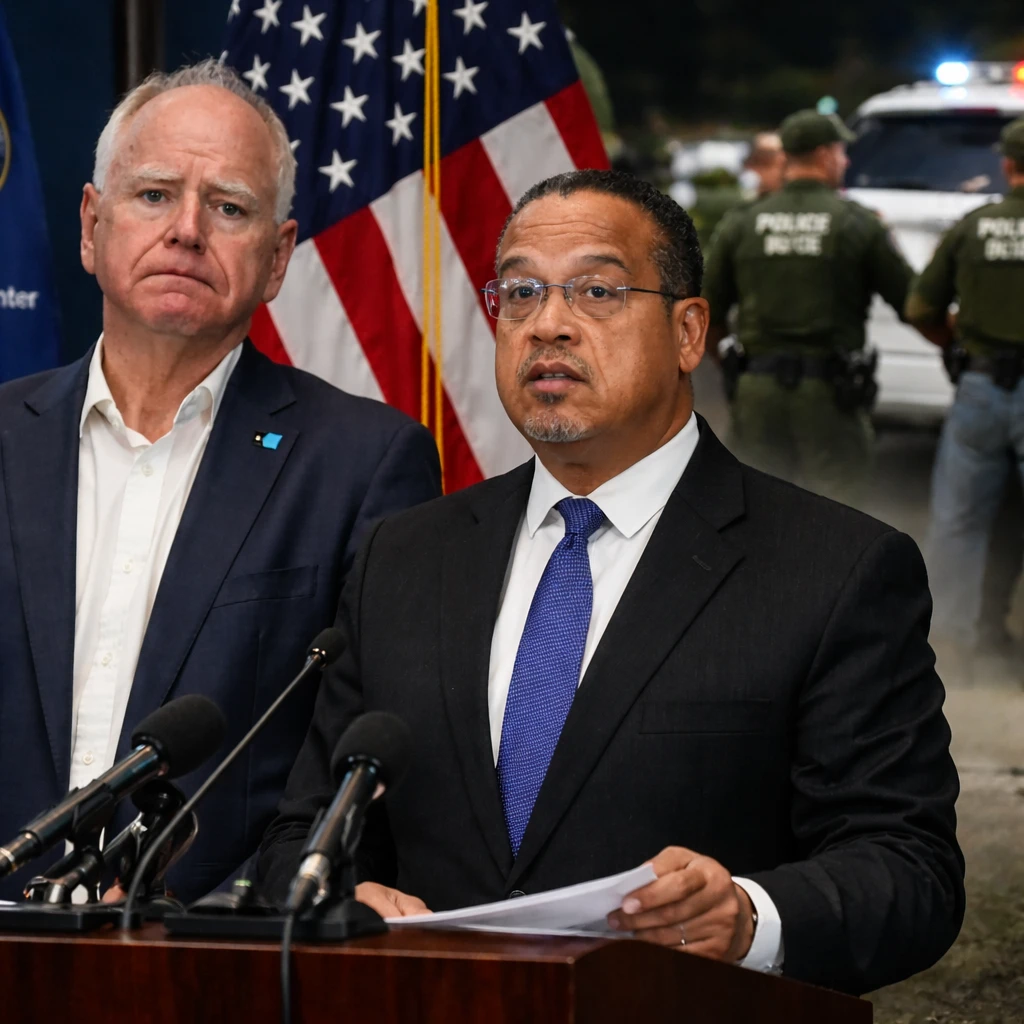
On the federal-state front, President Trump and Minnesota Governor Tim Walz recently engaged in a phone conversation that marked a departure from prior contentious exchanges. Both leaders referenced a shared perspective on handling the enforcement issues. Governor Walz described the dialogue as productive and emphasized the necessity for impartial investigations into the shootings associated with the enforcement operations. Trump’s administration has stated its intent to identify and target criminals detained within state custody, while Governor Walz confirmed the state’s cooperation with federal requests concerning detainees.
Simultaneously, federal attorneys, state representatives, and city officials from Minneapolis and St. Paul appeared before U.S. District Judge Katherine Menendez to contest the federal immigration enforcement initiative. The court is evaluating motions to impose a temporary halt on the federal operations, with Judge Menendez acknowledging the case's urgency. A directive was issued for the federal government to provide supplemental briefing to address claims that Operation Metro Surge’s secondary objectives include penalizing the state and cities for their sanctuary policies.
Opposition legal teams argue that the enforcement actions have created an untenable situation within the community that warrants immediate judicial intervention. Minnesota Assistant Attorney General Brian Carter highlighted concerns about the broader implications for the republic’s future if these operations are not curtailed promptly.
Judge Menendez scrutinized the federal government’s motives for the crackdown, particularly questioning the scope of executive power in relation to immigration enforcement. She expressed reservations regarding a letter from Attorney General Pam Bondi requesting state voter rolls, Medicaid, and food assistance records, as well as repeals of sanctuary laws. The judge pointed out ongoing litigation over these requests and pondered the boundaries between constitutional safeguards and executive authority.
The judge also navigated the complexities of adjudicating disputes between state and federal policies, acknowledging the challenge in determining the supremacy of competing governance approaches. Concerns were raised about potential federal officers entering residences without warrants, though the judge indicated reluctance to adjudicate issues not formally before the court.
The legal actions against the Department of Homeland Security, filed days after another fatal shooting involving Immigration and Customs Enforcement officers, have gained critical momentum following Pretti’s death. A separate ruling by the same judge earlier in January barred federal officers from detaining or using force against peaceful protesters not obstructing law enforcement activities, although this ruling is currently under appellate review.
Protests persist outside locations associated with federal enforcement leaders, demonstrated by gatherings expressing dissent through whistles, drumbeats, and other noise-making activities. Police maintain a presence to ensure the protests do not impede access to federal sites.
President Trump’s public announcement confirmed that Tom Homan will report directly to him concerning federal immigration enforcement operations, signifying continued high-level oversight amid persistent controversy and legal challenges.