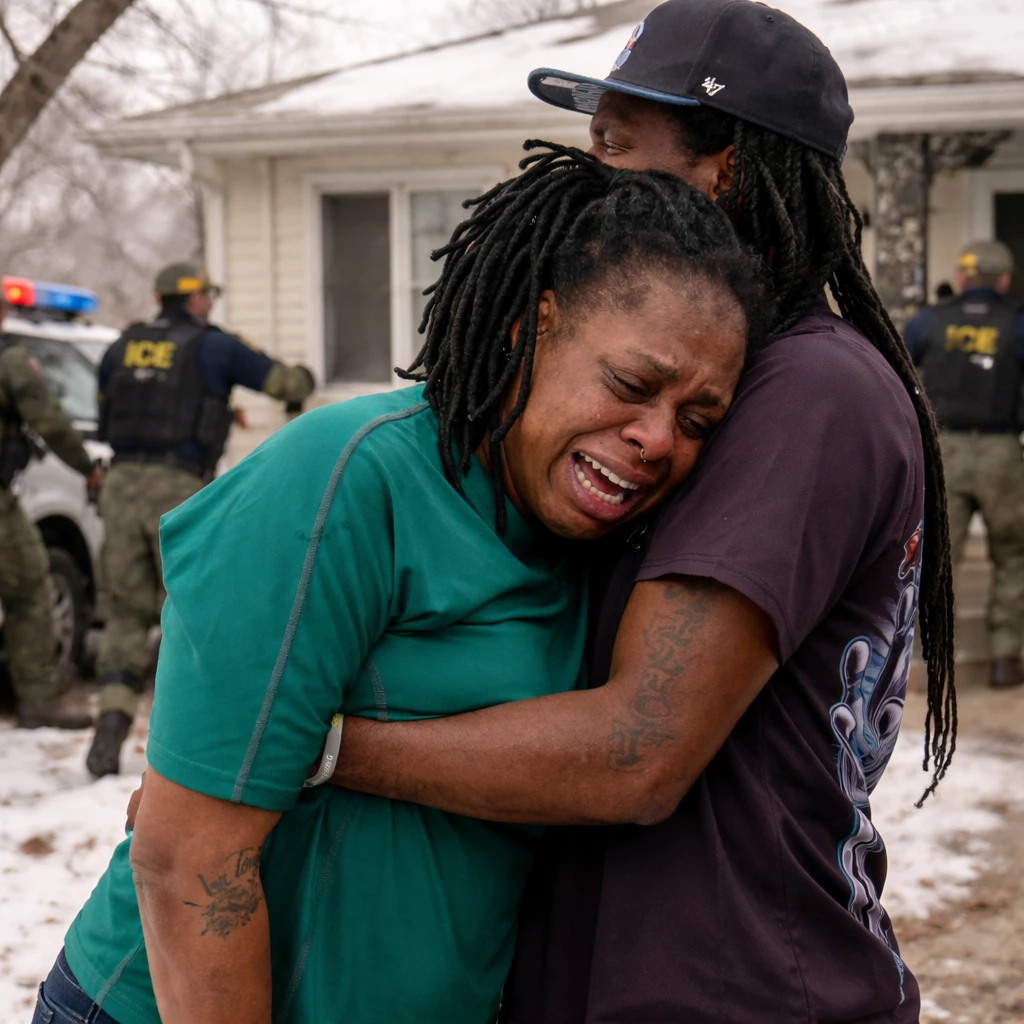
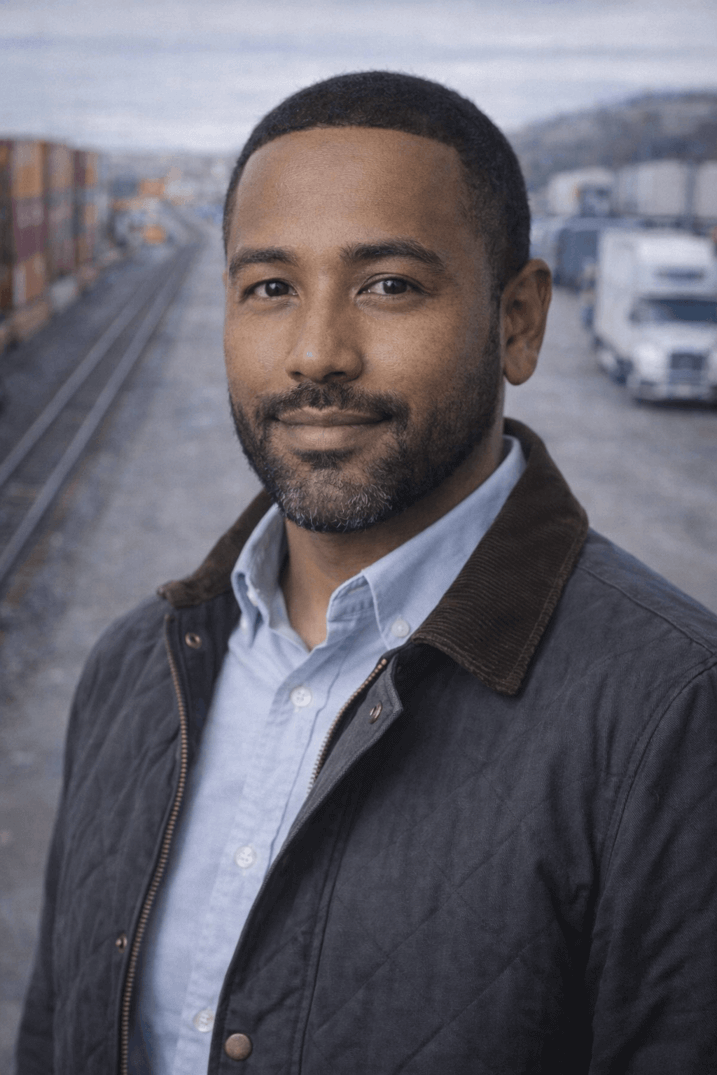
MINNEAPOLIS — In a recent development during one of the largest immigration enforcement campaigns the Department of Homeland Security has embarked on in Minnesota, Garrison Gibson, 37, a Liberian man, was arrested under contentious circumstances that have drawn legal scrutiny. Federal immigration authorities conducted a forceful entry into Gibson's Minneapolis residence over the weekend, utilizing a battering ram to breach the front door. His legal representative, Marc Prokosch, contested the legitimacy of the arrest conducted on Sunday, stating that the agents lacked an appropriate criminal warrant, rendering the action a clear infringement of constitutional protections.
Prokosch emphasized that although the immigration officials held an administrative warrant authorizing Gibson's arrest, such a document does not permit compelled entry into private residences. A criminal warrant, duly signed by a judge, is required to justify forced entry, which was absent in this case. The lawyer noted that Gibson had consistently complied with his obligations to meet with immigration officers regularly over several years, casting further doubt on the rationale behind the aggressive arrest method.
Having escaped the Liberian civil war as a child, Gibson remains in the United States under an order of supervision despite being ordered removed due to a 2008 narcotics conviction. That conviction, however, was subsequently dismissed in court proceedings. Under this supervisory order, Gibson was obliged to report routinely to immigration officials, a protocol he maintained up to just days before his detainment during his visit to a regional immigration office, which has also been an operation base for recent enforcement raids.
Despite his compliance and legal complexities, Homeland Security spokeswoman Tricia McLaughlin characterized Gibson as having an extensive criminal background citing offenses including robbery and drug possession with intent to sell, among others. The spokesperson did not clarify whether these were merely arrests, formal charges, or convictions. Meanwhile, available court records predominantly reflect minor infractions and only one felony that was later dismissed.
Following the apprehension, Gibson was transported to Texas but was rapidly returned to Minnesota after Prokosch filed a habeas corpus petition challenging the legality of his detention. At present, Gibson is held at an immigration detention facility in Albert Lea, Minnesota. The Department of Homeland Security has yet to provide responses to additional inquiries about the case.
The arrest transpired in a city already on edge from recent events, specifically after the fatal shooting of Renee Good, a 37-year-old who died during a confrontation with immigration agents. This incident has sparked widespread protests and tense encounters between demonstrators and law enforcement, with videos capturing agents deploying pepper spray and physically confronting protesters attempting to hinder their operations.
Gibson's spouse, Teyana Gibson Brown, a nurse, was present in the home with their young child during the raid and has reportedly been deeply disturbed by the experience. Community activists involved in the area protested vigorously, employing drums, whistles, and car horns to signal the enforcement action and alert neighbors. The city and state officials have initiated investigations into Good's death, appealing to the public for any evidence, despite initial federal resistance to collaboration.
Since December, enforcement operations have resulted in over 2,000 immigration-related arrests across Minnesota. Homeland Security Secretary Kristi Noem has indicated plans to deploy additional federal agents to support continuing immigration enforcement efforts and ensure officer safety in the area.