
In Venezuela, a government pledge to liberate a considerable contingent of prisoners has so far materialized in the release of just nine individuals, according to a local human rights organization. These nine compose just over 1% of the more than 800 political detainees the group reports remain incarcerated in the country.
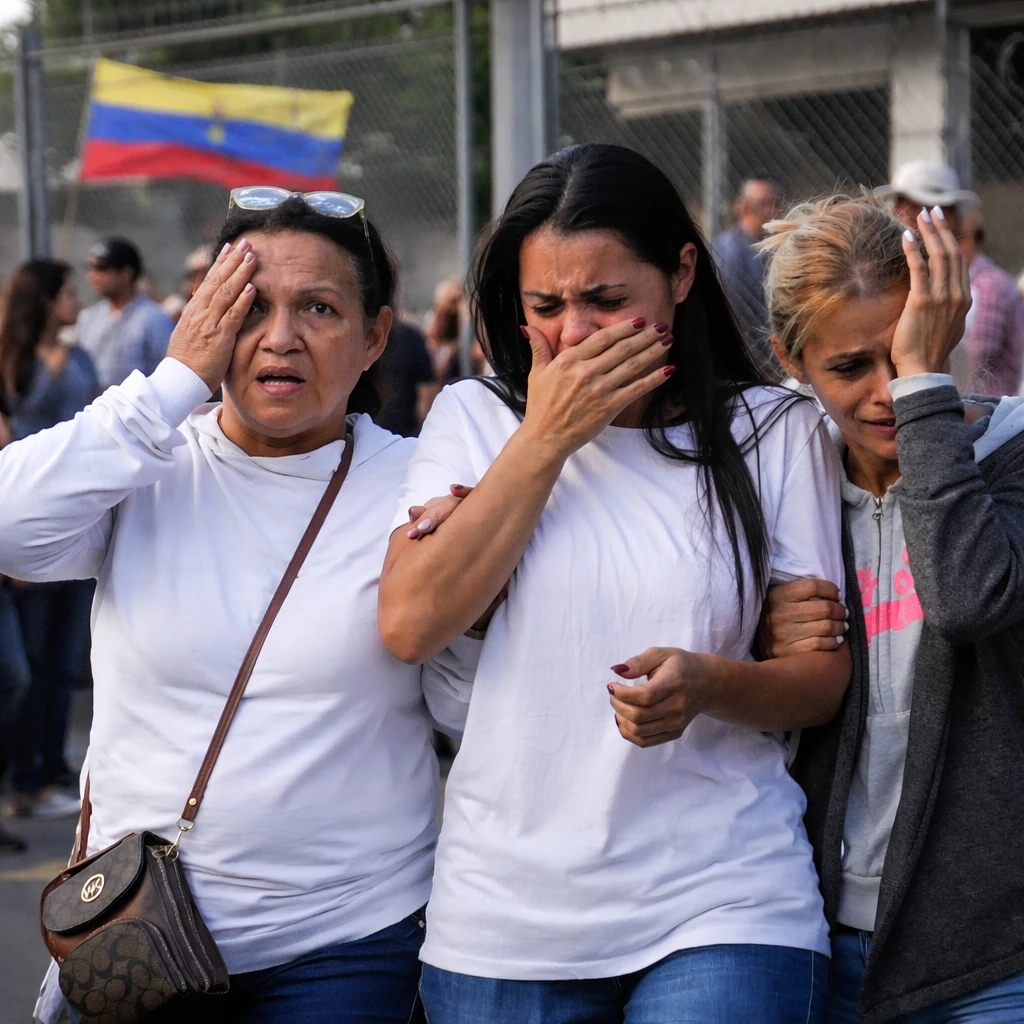
Those incarcerated largely include activists, journalists, and opposition figures, many of whom are imprisoned on charges contested by rights advocates. Across Venezuela on Friday, relatives gathered outside various prison facilities, anxiously anticipating reunions with loved ones potentially granted freedom.
Social media circulated footage depicting emotional scenes of prisoners exiting detention centers and embracing family members, moments that sparked elation within Venezuela's sidelined opposition and renewed optimism amid the country's complex political landscape, currently shaped by former loyalists to Nicolás Maduro.
By late Friday, the released included five Spanish nationals, two political activists, and two prominent opposition leaders. Notably, the Venezuelan administration has yet to specify or confirm how many detainees they plan to release, contributing to a lack of clarity. Human rights groups continue to monitor developments closely while families endure prolonged uncertainty. President Donald Trump has publicly praised these releases, attributing them to diplomatic requests from the United States.
Outside El Rodeo prison, located approximately an hour from Caracas in Guatire, a spontaneous support network formed among those awaiting information on detainees. Attendees shared meals, internet access, coffee, and charging facilities for devices amid a collective atmosphere of shifting emotions from hopeful anticipation to frustration and sorrow.
One family member, Noirelys Morillo, traveled a considerable distance with her mother to this facility, holding onto the hope of seeing her brother freed after five months of detention. He, like many others, was accused of terrorism without presented evidence and detained without contact, leaving his family scrambling to locate his whereabouts. The uncertainty weighed heavily, particularly on Morillo's nephew, who continues to seek answers about his father's fate.
The Caracas-based advocacy group Foro Penal documented only nine prisoner releases by Friday morning, against an estimated detained population of 811 held for "political reasons." The Venezuelan government, however, denies the existence of such detainees. Edmundo Gonzaléz, a former opposition presidential candidate, welcomed the releases and encouraged remaining detainees and their families to remain steadfast.
Among those still waiting is Mariana Gonzalez, whose husband was detained a year ago under unclear circumstances. Despite her repeated visits to El Rodeo, she has yet to receive any information regarding his status.
Experts suggest that under previous administrations, Venezuelan authorities detained political opponents and foreign nationals as leverage in diplomatic negotiations. The current releases under interim President Delcy Rodríguez may signal steps toward cooperation with the United States, though many aspects remain undefined. Human rights organizations urge that the release of only a handful of prisoners falls short of meaningful reform.
Inside El Rodeo, where detainees are largely cut off from external news, prisoners were reportedly unaware of recent political upheavals involving former President Maduro until family visitors relayed the information. Shakira Ibarreto, during a scheduled prison visit, informed her father, Miguel Ibarreto—a former police officer frequently detained on charges of government opposition—about Maduro's capture and trial in the United States.
This news came as a shock to detainees accustomed to state-run television broadcasts, which were abruptly halted earlier that week, sparking speculation and the rapid spread of information among prisoners. Despite ongoing incarceration, inmates expressed moments of jubilation upon hearing the news from outside visitors.
Relatives like Ibarreto express cautious optimism following years of struggle and uncertainty, hopeful that recent developments signal broader change within Venezuela's penal and political systems.