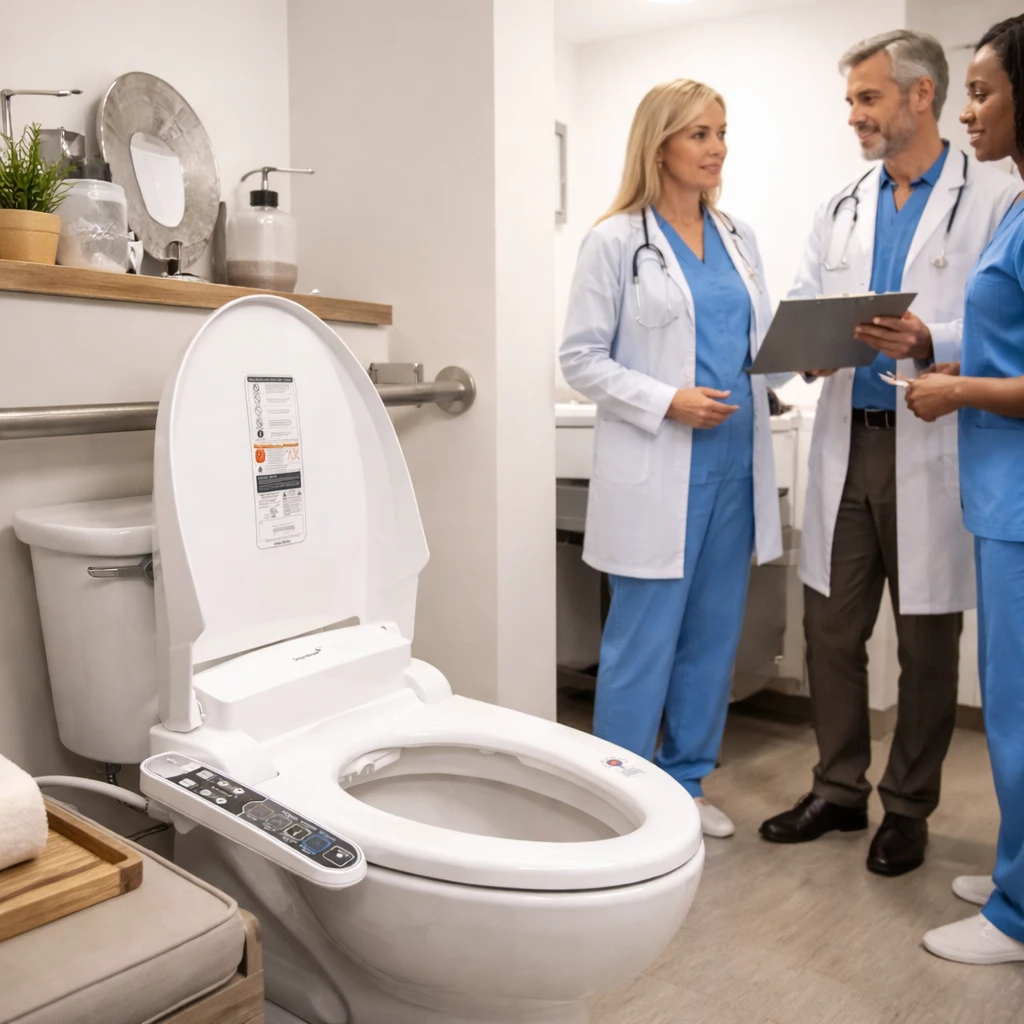

Bidets, historically uncommon fixtures in American households, have seen a notable rise in usage as consumers increasingly seek alternatives to traditional toilet paper. Motivated by hygienic considerations, sustainability efforts, and physical health requirements, more Americans are turning to water-based cleansing solutions. The COVID-19 pandemic's disruption of toilet paper supplies contributed to demystifying bidets for U.S. consumers, mirroring shortages observed in countries where bidets are already standard, such as Italy and Japan.
With increased environmental awareness, affordability gains for bidet products, and the advent of multifunctional smart toilets, the appeal of cleansing with water rather than wiping has strengthened. Notably, New York City's newly inaugurated mayor, Zorhan Mamdani, recently indicated an intention to install bidets in Gracie Mansion, highlighting the devices in the national discourse.
Medical practitioners sometimes recommend bidets to support individuals dealing with hemorrhoids, post-surgical recovery, or mobility challenges stemming from age or disabilities. However, experts emphasize that bidets are not universally suitable and require careful use to avoid complications.
Varied Bidet Types for Different Budgets
Bidets function by delivering a water jet to cleanse the genital and anal areas following restroom use. Originally designed as separate bathroom installations, bidet options have diversified significantly. Presently, many consumers opt for toilet seat attachments or handheld devices resembling detachable shower heads. High-end smart toilets frequently incorporate built-in bidets featuring amenities such as heated seats, adjustable water pressure, and integrated air dryers. Online platforms host instructional content demonstrating makeshift portable bidets using common items like plastic bottles.
Guidelines for Proper Bidet Use
Adopters of bidets often praise the device's ability to leave users feeling cleaner. Given the involvement of sensitive skin and potential bacterial presence in toileting, proper use is essential for maintaining hygiene. Dr. David Rivadeneira, a colorectal surgeon based in Huntington, New York, advises that when employing standalone bidets or integrated toilet models, individuals—especially women—should face the controls and direct water flow from front to back. This technique helps prevent bacterial transfer from the anus to the urethra.
Experts generally recommend using warm water at gentle pressure for short durations, warning against extreme temperatures. The use of mild soap may be optional for some users but is not typically necessary for routine cleansing routines. Dr. Rivadeneira cautions against inserting water internally, clarifying that bidets are designed only for external use and should not replace enemas or colonic treatments.
Following wash-down, users should pat dry with toilet paper or a dedicated cotton towel to eliminate residual matter and reduce the risk of yeast infections. While bidets can be used daily, their primary suitability lies in post-bowel movement hygiene. Excessive use may provoke skin irritation.
Dr. Neal H. Patel, a family physician in Orange County, California, highlights the importance of routine bidet maintenance, recommending nozzle cleaning with disinfectant wipes on a biweekly basis to minimize bacterial buildup.
Health Benefits Attributed to Bidets
Dr. Danielle Antosh, a urogynecologist practicing in Houston, acknowledges some limited research suggesting bidets reduce bacterial presence on users' hands more effectively than toilet paper. However, evidence remains insufficient for definitive conclusions.
Proponents note bidets offer a gentler cleansing alternative for sensitive skin compared to the abrasive texture of toilet paper. Dr. George Ellis, a urologist from Orlando, Florida, remarks that a water stream is typically less irritating, benefiting individuals with chronic diarrhea or those requiring repeated wiping. Medical professionals also observe symptom relief potential in cases of hemorrhoids, anal fissures, and fistulas, as well as decreased urinary tract infection incidence.
Additionally, a 2023 editorial by dermatologists from the University of Tennessee Health Science Center emphasized the importance of healthcare providers recognizing bidet use prevalence globally. They argued that bidets help reduce caregiver burdens by enabling self-cleaning among individuals with physical limitations, many of whom depend on predominantly female caregivers.
Limitations and Situations Warranting Caution
Despite benefits, excessive bidet use is not without drawbacks. Some Japanese clinicians have advised patients experiencing rashes or bowel control issues following frequent bidet cleansing to discontinue use temporarily. Dr. Antosh recommends consulting a healthcare professional before using high-pressure bidets post-childbirth or when genital ulcers are present, as strong water jets can exacerbate irritation.
Dermatologist Dr. Jenna Queller, of DermWorks in Boca Raton, Florida, concurs that individuals suffering from genital eczema or psoriasis should exercise caution and apply moisturizing products after bidet use to prevent further irritation.
Persistent symptoms such as bleeding from fissures or hemorrhoids warrant medical evaluation, as these can signify more serious underlying conditions.
Environmental Considerations
Bidets are generally endorsed by environmental groups and scientists as a more sustainable alternative to toilet paper. The National Resources Defense Council recently stated that bidets substantially reduce toilet paper consumption, thereby diminishing environmental impacts related to tissue manufacturing.
However, Gary Bull, professor emeritus of forestry at the University of British Columbia, notes the need for comprehensive life-cycle assessments encompassing water and energy use, production emissions, and product disposal to accurately gauge bidet sustainability. For instance, advanced bidet models may consume electricity to heat seats and water, factors complicating environmental benefits.
Andrea Hicks, a civil and environmental engineering professor at the University of Wisconsin, suggests evaluating regional conditions such as climate and water availability when deciding between bidets and toilet paper. In arid regions with water scarcity, toilet paper might represent the more sustainable option, whereas bidets could be preferable in areas abundant in water resources.