
In a recent development amidst U.S.-Mexico cooperation on combating organized crime, the Mexican government has handed over 37 suspected cartel members to American authorities. This action took place after a formal request from the U.S. Justice Department, reflecting collaborative enforcement efforts between the two countries.
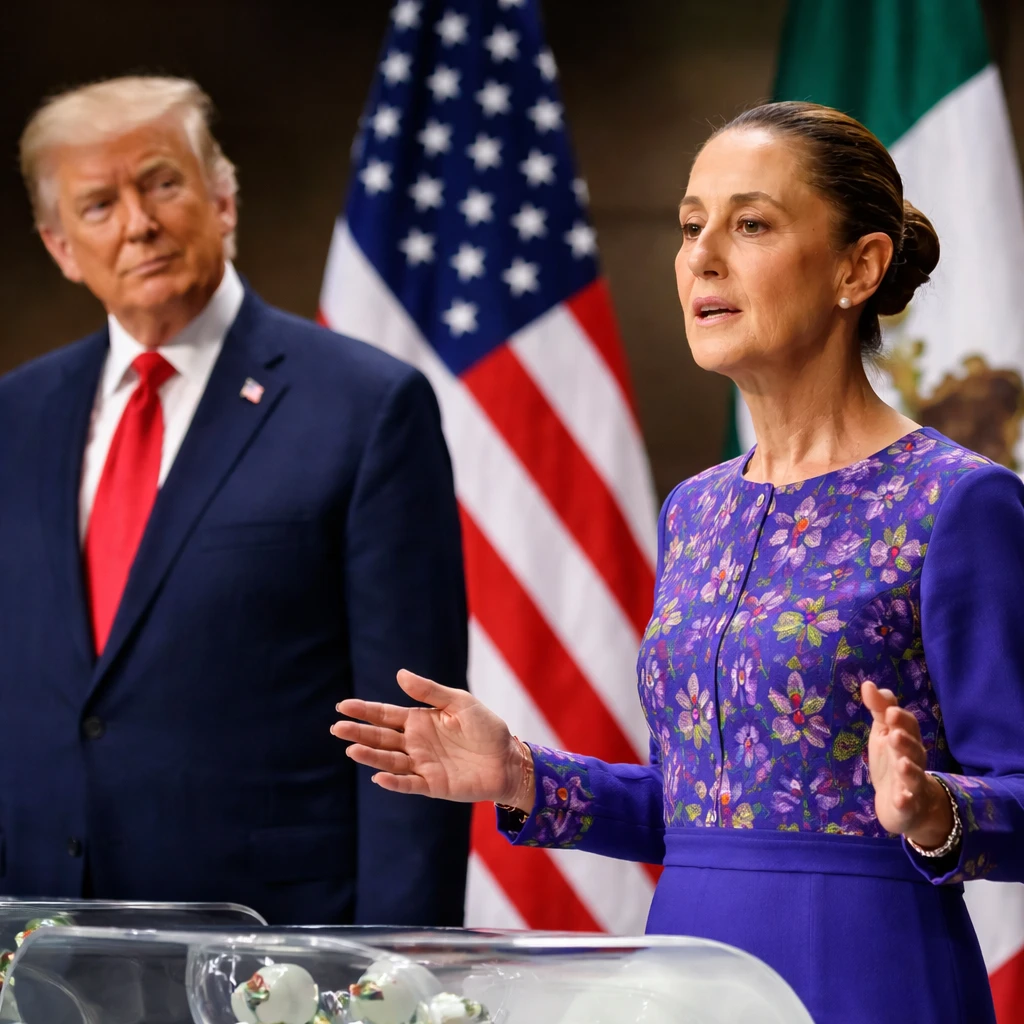
President Claudia Sheinbaum addressed criticisms regarding the transfers during her customary morning briefing in Mexico City, clarifying that the move constitutes a sovereign decision by her administration. She stated that the choices made by the National Security Council were grounded foremost in what serves Mexico’s national interests and security needs. "Mexico is prioritized above all else, regardless of any demands that might come from abroad. This is a sovereign choice," Sheinbaum asserted.
The transfer, executed on a recent Tuesday, targeted members of well-known criminal organizations including the Jalisco New Generation Cartel (CJNG) and the Sinaloa Cartel, both designated as terrorist organizations by the United States. This operation marks the third installment of such extraditions within the last year, bringing the total number of individuals relocated to the U.S. to 92.
Observers note that Mexico’s government has leveraged these transfers as a strategic response to mounting pressure from the Trump administration, which has openly threatened military actions against cartels. The move is considered a tactical “pressure valve,” signaling Mexico’s commitment to dismantling organized criminal networks while maintaining control over its national sovereignty.
The context surrounding these exchanges includes heightened regional tensions following extraordinary U.S. military actions in Latin America, such as the incursion in Venezuela aimed at capturing former President Nicolás Maduro. These events have caused unease among Latin American leaders and have contributed to a complex diplomatic environment.
During the briefing, Sheinbaum’s measured approach in handling relations with the U.S. administration was apparent, as she navigates the challenge of accommodating external demands while projecting domestic authority. The Mexican president’s stance reflects the ongoing balancing act between cooperation with the U.S. and preserving Mexico’s autonomy in law enforcement and national security policy.
U.S. officials have welcomed the recent transfers as a significant milestone. U.S. Attorney General Pam Bondi described the handover as a “landmark achievement” within the broader Trump administration mission to dismantle drug trafficking organizations. In a joint statement from the U.S. Justice Department, authorities characterized the step as mutually beneficial, reinforcing the shared goal of combating transnational criminal enterprises.
The individuals transferred are accused of various serious charges. Notably, Armando Gómez Núñez, identified as a senior CJNG leader, faces indictments in the U.S. related to drug trafficking and possession of illegal arms, including machine guns and explosive devices.
However, complications remain. Mexico’s Security Minister acknowledged concerns that some cartel leaders extradited earlier continued to coordinate criminal activities from U.S. prisons, and that extradition decisions were sometimes influenced by risks of release due to judicial rulings within Mexico.
These nuances highlight the ongoing challenges faced by Mexico in managing cartel influence internally while cooperating with international partners. The transfers demonstrate a complex interplay of law enforcement collaboration, diplomatic negotiation, and national security strategy amid escalating pressure from the United States.