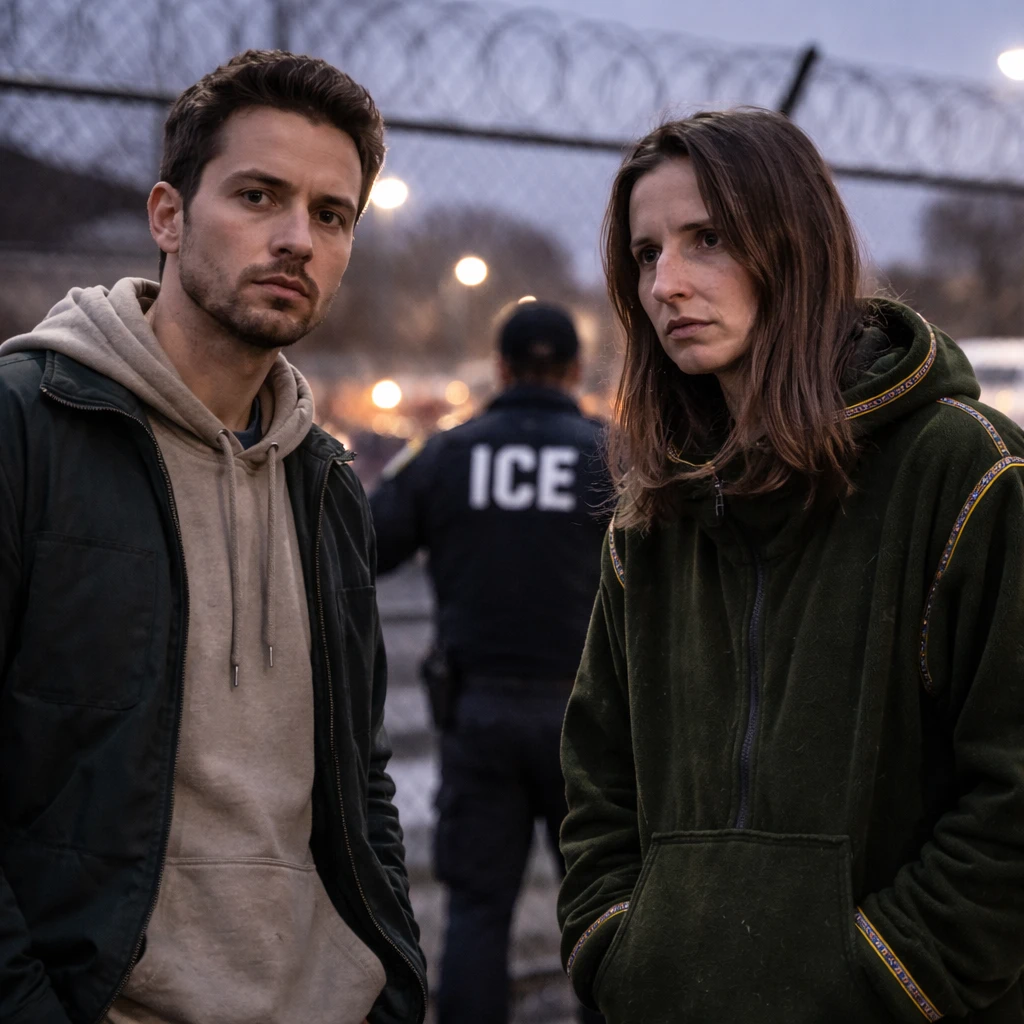

In recent immigration enforcement efforts across Minneapolis and St. Paul, two local residents, Brandon Sigüenza and Patty O’Keefe, each U.S. citizens, have come forward with detailed accounts of their experiences during federal immigration operations targeting individuals living in the country illegally. Both individuals were detained without formal charges and subjected to what they describe as emotionally and physically distressing conditions while being held temporarily at a federal detention facility.
Their observations suggest the Department of Homeland Security (DHS) is employing tactics similar to those used in prior crackdowns in cities such as Los Angeles, Chicago, and New Orleans. These methods reportedly include aggressive activities such as warrantless arrests, roving patrols, use of chemical irritants, breaking of vehicle windows, and surveillance of protesters, as witnessed in the case of Renee Good, a woman fatally shot by an ICE officer while she and her vehicle were recorded.
Organizers and claims accompanying a lawsuit filed by the American Civil Liberties Union indicate immigration officers have been monitoring activists who observe their operations in the Twin Cities, a practice that potentially violates First Amendment protections. Brandon Sigüenza also stated that an ICE officer offered him monetary compensation or legal safeguards in exchange for information on protest organizers and undocumented neighbors, an offer he declined, emphasizing that he has no family members in the country illegally.
On a Sunday when Sigüenza and O’Keefe were following ICE vehicles conducting arrests, they described their detention after officers approached O’Keefe’s vehicle. In the course of the encounter, officers used pepper spray through the vehicle's vent, forcibly smashed car windows, and reportedly issued verbal threats associating resistance with the circumstances surrounding Renee Good’s death. O’Keefe recounted the agents engaging in mocking behavior toward her, including making references to the recent fatal shooting, with the clear intent to intimidate or break her down emotionally.
Authorities transported both individuals separately to a highly restricted federal facility on the outskirts of Minneapolis where the crackdown is coordinated. There, they were held in adjacent small cells approximately 10 feet by 10 feet, outfitted with concrete benches, surveillance cameras, two-way mirrors, and flat-screen televisions. These cells were noted to house both U.S. citizens and other detainees, with an observed predominance of Hispanic men and some East African individuals, reflecting the region’s diverse immigrant population.
While inside, Sigüenza and O’Keefe describe hearing anguished cries from other detainees, many of whom appeared despondent and without access to medical care despite injuries such as cuts and swollen toes. The detainees’ requests for basic needs like water and bathroom access were reportedly ignored. Interaction with legal representatives was allowed, but only Sigüenza was given the opportunity to make a phone call, contacting his wife during his detention.
Following their time in detention, both individuals were released without any charges. They reported they were subjected to additional exposure to chemical agents deployed by officers upon their exit from the facility. Sigüenza commented on the irony and severity of their treatment, noting their release was followed by being tear-gassed, despite no allegations against them justifying such force.
These reported conditions resonate with broader concerns over immigration detention centers nationwide, where complaints regarding detainee treatment have prompted legal actions and federal oversight. DHS has publicly stated that detainees receive food and medical attention, emphasizing the operational success of their immigration enforcement strategies, which have led to thousands of arrests of undocumented individuals.
Some detainees and observers perceive the detention experiences of Sigüenza and O’Keefe as deliberate intimidation intended to suppress criticism of immigration crackdowns. Legal experts from the National Immigration Law Center noted that although rights for U.S. citizens and noncitizens differ somewhat within immigration detention compared to criminal detention contexts, fundamental rights such as access to legal counsel, communication, adequate nutrition and hydration, and privacy in restrooms remain upheld.
Requests for comment to the DHS, overseeing ICE and Border Patrol, went unanswered as of Tuesday, leaving the reported claims to stand without official dispute or verification.