Minneapolis on Alert Following Fatal Immigration Enforcement Shooting
January 8, 2026
News & Politics

Minneapolis on Alert Following Fatal Immigration Enforcement Shooting

Community unrest grows amid intensified federal immigration operations and death of mother of three

Summary

The city of Minneapolis faces heightened tensions and public demonstrations after a federal Immigration and Customs Enforcement (ICE) officer fatally shot Renee Good, a 37-year-old mother of three. This incident occurred during the Trump administration's expanded immigration enforcement efforts, which have mobilized over 2,000 officers in the area. State and local leaders have called for the removal of immigration agents, while the Department of Homeland Security affirms that operations will continue despite protests and demands for accountability. The events have led to school closures and confrontations between protesters and law enforcement, evoking memories of civil unrest tied to previous high-profile incidents in the city.

Key Points

A federal ICE officer shot and killed Renee Good, a 37-year-old Minneapolis mother of three, during the Trump administration’s expanded immigration enforcement operation.
The Department of Homeland Security has deployed over 2,000 officers to Minnesota, resulting in more than 1,500 arrests as part of its largest immigration crackdown to date.
The incident has led to widespread protests around Minneapolis, demanding the withdrawal of federal immigration agents and prompting local school closures as a precaution.

On Thursday, the city of Minneapolis remained in a state of unease following the fatal shooting of Renee Good by an unidentified officer from Immigration and Customs Enforcement (ICE). Good, a 37-year-old woman and mother of three, was shot in the head during an enforcement action associated with the Trump administration's intensified immigration crackdown.

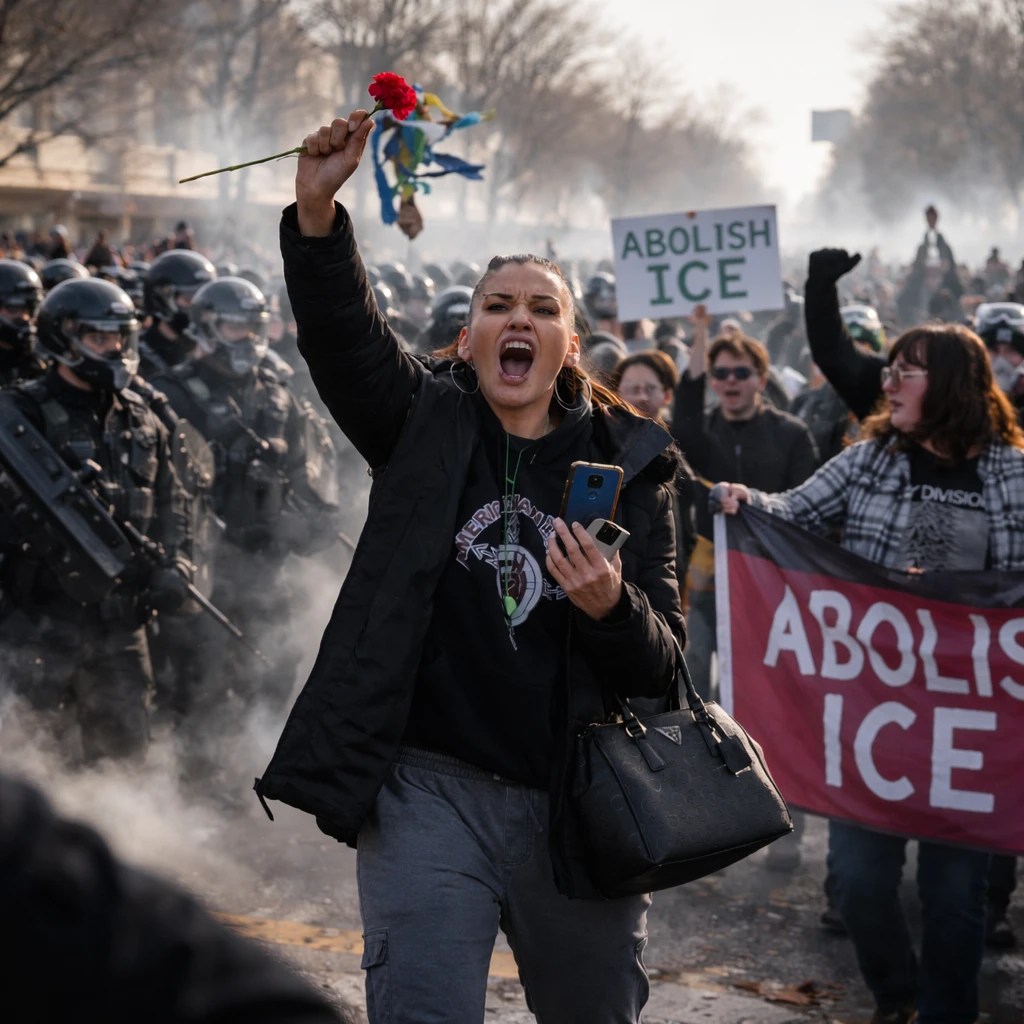
Amid growing public concern, demonstrations erupted outside the Bishop Henry Whipple Federal Building, which functions as a key command center for federal immigration enforcement activities in the city. Protesters voiced their anger through chants such as "No More ICE" and "Go Home Nazis." Federal Border Patrol personnel responded by pushing protestors back and employing crowd control tactics, including the use of pepper spray and tear gas.

State and local officials have vocally opposed the presence of ICE agents in Minnesota following the shooting incident. Calls were made for the immediate withdrawal of immigration officers from the state. However, Homeland Security Secretary Kristi Noem stated unequivocally that the federal officers would maintain their deployment. The Department of Homeland Security has currently allocated over 2,000 officers to the region, describing the mission as the largest immigration enforcement operation to date. According to Secretary Noem, these efforts have already resulted in the arrest of more than 1,500 individuals.

The intensity of federal immigration activity has led to precautionary closures of schools in Minneapolis, reflecting concerns about potential disruptions and safety risks amid heightened protests. The emotional atmosphere draws parallels to the social unrest following the death of George Floyd in 2020, as some community members and observers express fears of widespread demonstrations and confrontations.

Among the demonstrators was Shanta Hejmadi, who characterized the situation as a crisis demanding public resistance to what she perceives as aggressive governmental actions against its citizens. Stephanie Abel, whose daughter participated in the protests, shared her personal anxieties about the situation, indicating she has taken steps such as keeping cash on hand and ensuring her vehicle's gas tank is full in anticipation of possible unrest. Abel noted a pattern she had foreseen, stating, "I’ve been saying for weeks to my friends and family: Somebody is going to get killed."

Federal officials, including U.S. Customs and Border Protection representative Gregory Bovino, continued to oversee enforcement operations despite hostile reactions. Bovino made rounds along the lines of federal officers, receiving shouted criticisms, including reprimands suggesting that Border Patrol agents belong only along the nation's borders rather than operating within urban settings like Minneapolis.

Risks
  • Heightened tensions between federal immigration enforcement agencies and local communities could lead to escalating civil unrest, potentially impacting public safety and local economic activity, especially retail and consumer sectors in Minneapolis.
  • Sustained protests and federal operations may create uncertainty influencing consumer behavior and local business operations, particularly in areas near federal buildings and protest sites.
  • The political and social volatility surrounding immigration enforcement efforts could generate longer-term risks for public trust in law enforcement and governmental institutions, which may indirectly affect regional markets and investment sentiment.
Disclosure
This article is a factual report based on current events with no promotional content and includes analysis based on the data presented in the report.
Search Articles
Category
News & Politics

News & Politics

Related Articles
FDA Initiates Review of BHA Food Additive Safety

The U.S. Food and Drug Administration (FDA) has announced plans to conduct a comprehensive reassessm...

Partisan Divide Deepens as White House Excludes Democratic Governors from NGA Meeting

The longstanding bipartisan forum of the National Governors Association (NGA) is facing disruption a...

Using Fireplace Ashes in Your Garden: Benefits and Considerations

Amidst a notably cold winter leading to increased fireplace use, many homeowners are seeking sustain...