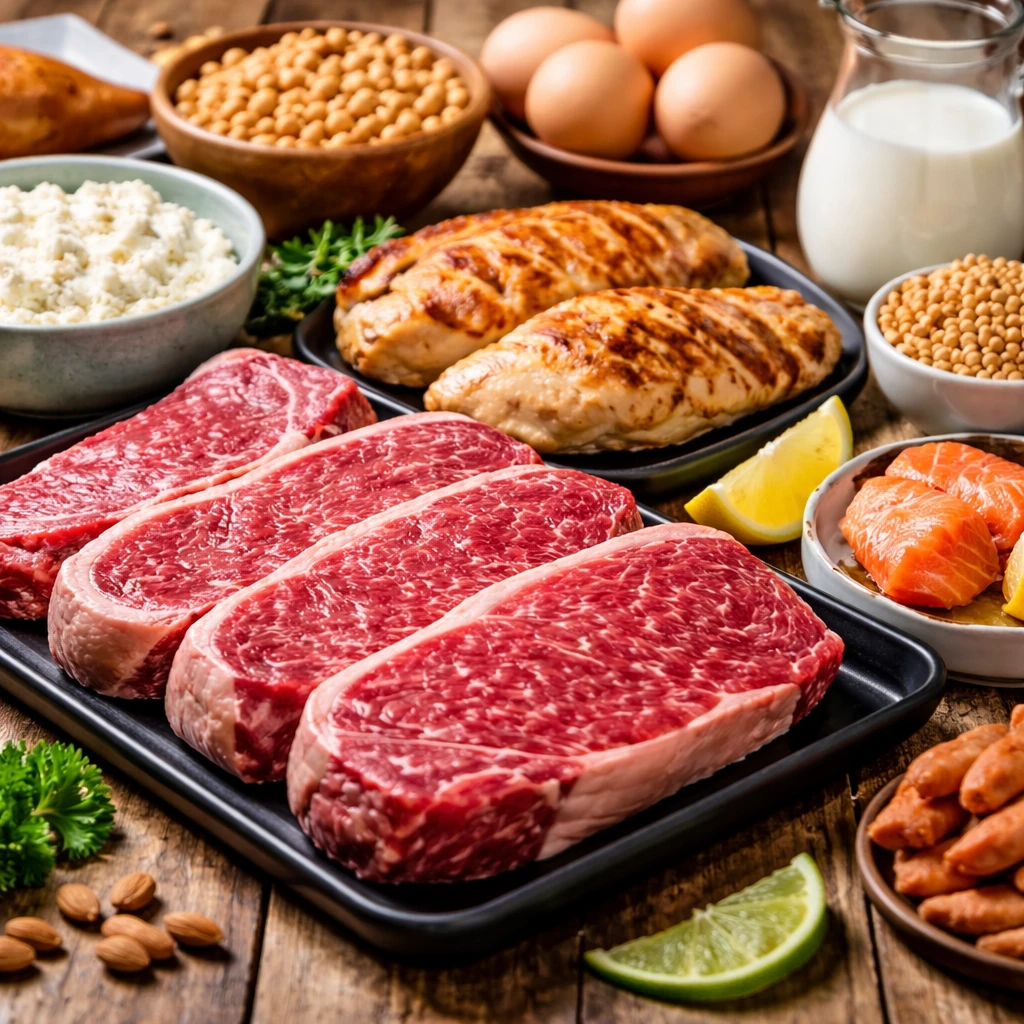

Recent changes to the United States federal dietary guidelines have placed a strong emphasis on protein consumption, urging Americans to "prioritize protein foods at every meal" while recommending a substantial increase in daily intake. Health Secretary Robert F. Kennedy Jr. publicly celebrated this shift, declaring an end to previous skepticism around protein in a White House social media post.
In line with this new directive, the updated food pyramid now highlights red meat, whole milk, and other animal-derived protein sources as central to the diet. Conversely, plant-based protein options receive less focus. Despite these recommendations, many respected nutrition specialists question the necessity and prudence of such an elevated protein intake.
Experts point out that typical Americans already consume protein quantities exceeding past daily recommendations, and there is a lack of compelling new evidence supporting a dramatic increase. For the general population, consuming substantially more protein might lead to the accumulation of body fat and heightened susceptibility to diabetes.
Dr. Dariush Mozaffarian, a nutritional expert at Tufts University, acknowledged that an increased protein intake can be beneficial for people engaged in strength or resistance exercise aimed at muscle building. However, for others, existing protein consumption suffices to meet bodily needs.
There is also apprehension about how the new guidance might inadvertently fuel the growing trend among food companies to market protein-fortified products, including snack bars, cereals, snacks, and even enhanced water products.
Christopher Gardner, a nutrition specialist at Stanford University, observed that this recommendation could contradict other public health messages promoting consumption of natural, whole foods. He expressed concern that the emphasis on protein-enriched processed items could sow confusion among consumers seeking healthier dietary choices.
Understanding Protein Requirements
Protein is a fundamental macronutrient present in every cell, essential for the growth and repair of muscles, bones, skin, hair, and other tissues. It consists of amino acids, some of which are essential—meaning the body cannot produce them and they must be obtained from the diet.
Previously, the federal dietary standards advised consuming approximately 0.8 grams of protein per kilogram of body weight per day—for example, about 54 grams for a 150-pound individual. The new guidelines instead suggest a range of 1.2 to 1.6 grams per kilogram, which can be up to twice the previous suggestion. This translates to a recommendation of at least 100 grams of protein daily for adults, with animal sources accounting for half or more of intake.
Notably, the average adult male in the U.S. already consumes roughly 100 grams of protein daily, effectively meeting the newly advised threshold.
Rationale Behind the Guideline Changes
The earlier recommended intake was established to prevent deficiency, ensuring equilibrium in healthy adults. However, according to a scientific review accompanying the new guidelines, these lower intake levels do not guarantee optimal muscle mass maintenance or optimal metabolic functioning in all conditions.
The updated recommendations are supported by evidence collated from 30 studies investigating the effects of higher protein intake on weight management and nutritional adequacy. This body of research concluded that substantially higher protein consumption is safe and consistent with maintaining good health.
Potential Health Implications
Nutrition authorities caution that weight loss trials, often used to promote higher protein diets, may not be suitable for formulating guidelines for the entire population. In a recent publication in the Journal of the American Medical Association, Dr. Mozaffarian highlighted that beyond muscle building through strength training, increased protein intake offers limited health benefits.
Moreover, he warned that surplus dietary protein can be metabolized by the liver into fat, potentially increasing harmful abdominal fat deposits around vital organs and elevating diabetes risk.
Protein in Processed Food Products
Some experts recognize that advocating for greater protein consumption might assist in achieving one of the broader goals of the guidelines: encouraging increased intake of whole foods over highly processed items such as sugary snacks and baked goods.
Nevertheless, considering the proliferation of processed food items enriched with added protein—including pastries, breakfast cereals, and salty snacks—there is concern that consumers may gravitate toward these products under the misconception of healthier choices.
Christopher Gardner expressed skepticism, suggesting this movement could lead to increased consumer purchases of less nutritious, protein-fortified processed foods.
In summary, while the new dietary guidelines propose substantially higher daily protein targets and prioritize animal-based sources, the implications for general public health and consumer behavior remain contested among experts. The outlook for the food industry includes potential growth in protein-enhanced products amid concerns about public understanding and actual health outcomes.