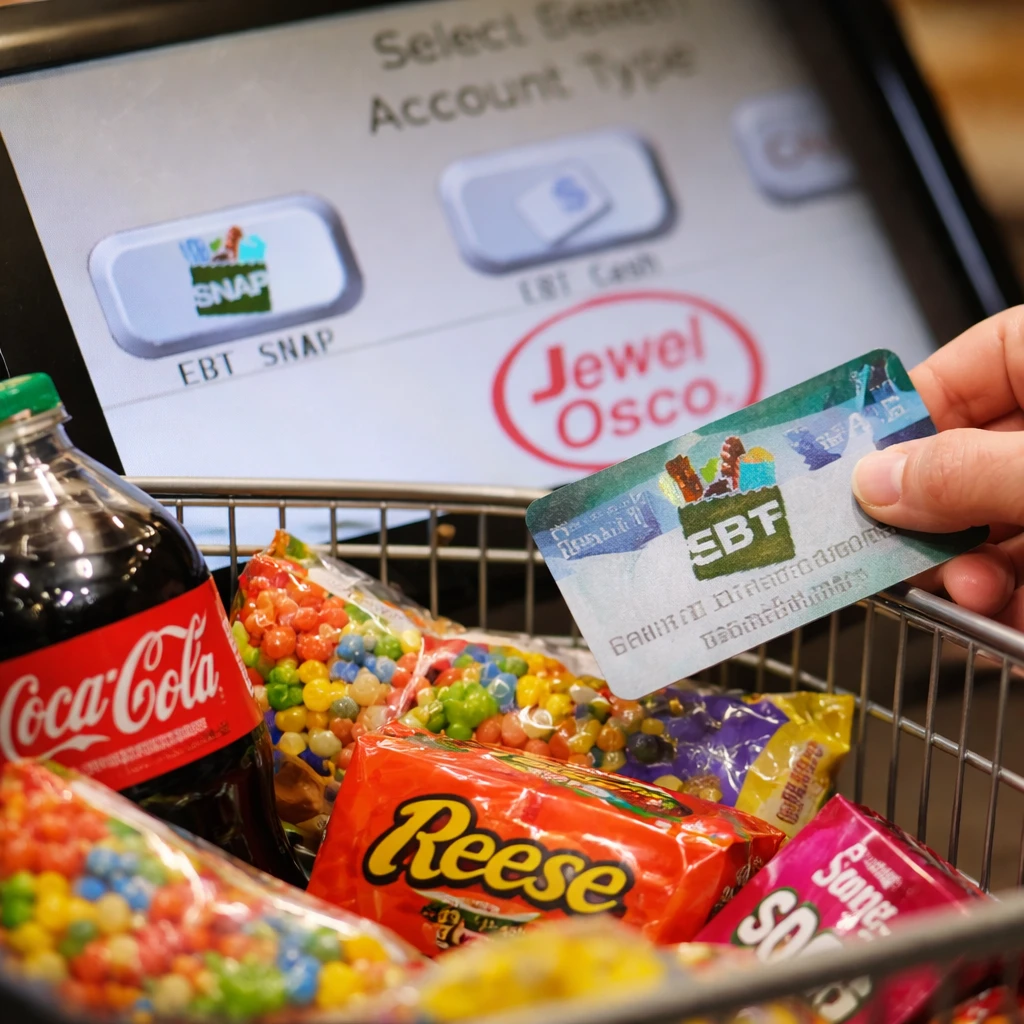

Beginning January 1, residents receiving assistance through the Supplemental Nutrition Assistance Program (SNAP) in Indiana, Iowa, Nebraska, Utah, and West Virginia encountered new limitations on what foods can be purchased with their benefits. These states are the first among a larger group—now numbering at least 18—that have obtained waivers to exclude certain food items from eligibility under the $100 billion federal SNAP program, which serves approximately 42 million Americans.
The initiative, advocating the removal of foods considered detrimental to health from SNAP, is supported by Health Secretary Robert F. Kennedy Jr. and Agriculture Secretary Brooke Rollins. Kennedy emphasized the unsustainable nature of funding programs that potentially contribute to health problems, stating, "We cannot continue a system that forces taxpayers to fund programs that make people sick and then pay a second time to treat the illnesses those very programs help create." This effort aligns with the broader "Make America Healthy Again" campaign aiming to reduce the prevalence of chronic conditions like obesity and diabetes associated with sugary beverages and snack foods.
Despite the health-driven rationale, industry representatives and policy analysts highlight significant hurdles. State SNAP programs, already strained by notable budget reductions, face difficulties managing these complex changes. Challenges include the absence of comprehensive lists of restricted items and technical issues at point-of-sale systems, which differ by region and retailer. Furthermore, evidence remains inconclusive regarding whether restricting SNAP purchases effectively improves dietary habits or long-term health outcomes.
The National Retail Federation, a prominent trade association, anticipates that the implementation of these restrictions will lead to longer checkout lines and increased customer dissatisfaction as SNAP participants adapt to new purchasing rules. Experts like Kate Bauer from the University of Michigan warn of the imminent challenges customers may face when attempting to buy restricted items, potentially leading to confusion and conflict at stores.
Financial assessments by groups such as the National Grocers Association estimate that the initial costs for U.S. retailers implementing these SNAP purchase restrictions could reach $1.6 billion, with ongoing annual expenses near $759 million. The anti-hunger organization Food Research & Action Center's SNAP director, Gina Plata-Nino, argued that shifting these costs effectively punishes benefit recipients and results in higher prices for all grocery shoppers.
Historically, SNAP rules established by the Food and Nutrition Act of 2008 allow beneficiaries to buy "any food or food product intended for human consumption," excluding items like alcohol, tobacco, and hot ready-to-eat foods. Previous attempts to limit SNAP funds from purchasing high-cost meats or junk foods were not approved by the United States Department of Agriculture (USDA), primarily due to concerns over implementation expense and questionable effects on consumption patterns and obesity rates.
However, during the second administration of former President Trump, states received encouragement and incentives to apply for waivers permitting such restrictions, leading to the current expansions. Indiana Governor Mike Braun highlighted that their approach is tailored to address root causes with transparency and targeted outcomes, distinguishing it from conventional broad public health mandates.
The current waivers impact approximately 1.4 million SNAP recipients, with varying restrictions by state. Utah and West Virginia prohibit purchases of soda and soft drinks, Nebraska bans sodas and energy drinks, Indiana targets soft drinks and candy, and Iowa enforces the most stringent limitations, also including particular prepared foods and taxable items beyond sweets. Critics point out the lack of detailed information about which specific goods are restricted, complicating beneficiaries' ability to plan purchases.
Among those affected is Marc Craig of Des Moines, who has been living in his vehicle since October. He expressed concerns that the new rules will complicate his management of $298 monthly SNAP benefits and increase feelings of stigmatization during checkout, remarking, "They treat people that get food stamps like we’re not people."
These waivers are authorized for an initial two-year period, with the possibility of renewal for up to an additional three years. The Agriculture Department mandates that participating states evaluate the effects of these restrictions on both purchasing behavior and public health.
Public health experts caution that these measures may overlook broader systemic issues influencing SNAP participants' health, such as affordability disparities between healthy and unhealthy foods and the widespread availability of inexpensive, detrimental options. Anand Parekh, chief policy officer at the University of Michigan School of Public Health, emphasized that the restrictions do not address the fundamental problem of nutritious food accessibility.