
Keir Starmer, the British Prime Minister and leader of the Labour Party, is currently under intense pressure as controversy mounts over his decision to appoint Peter Mandelson as the United Kingdom's ambassador to the United States. Mandelson, a seasoned politician, has recently come under renewed examination due to his connections with Jeffrey Epstein, the disgraced financier convicted of sexual offenses. The recent disclosure of Epstein-related files has revealed potentially damaging information about the relationship between Mandelson and Epstein, which many believe could undermine Starmer’s hold on his leadership role.
Unlike some other political structures, there is no established mechanism within the Labour Party for a formal vote of no confidence that would directly remove a leader. Any prospective challenger aspiring to contest Starmer's leadership must secure backing from at least 80 Members of Parliament, which constitutes 20% of the party's parliamentary group, to initiate a leadership challenge.
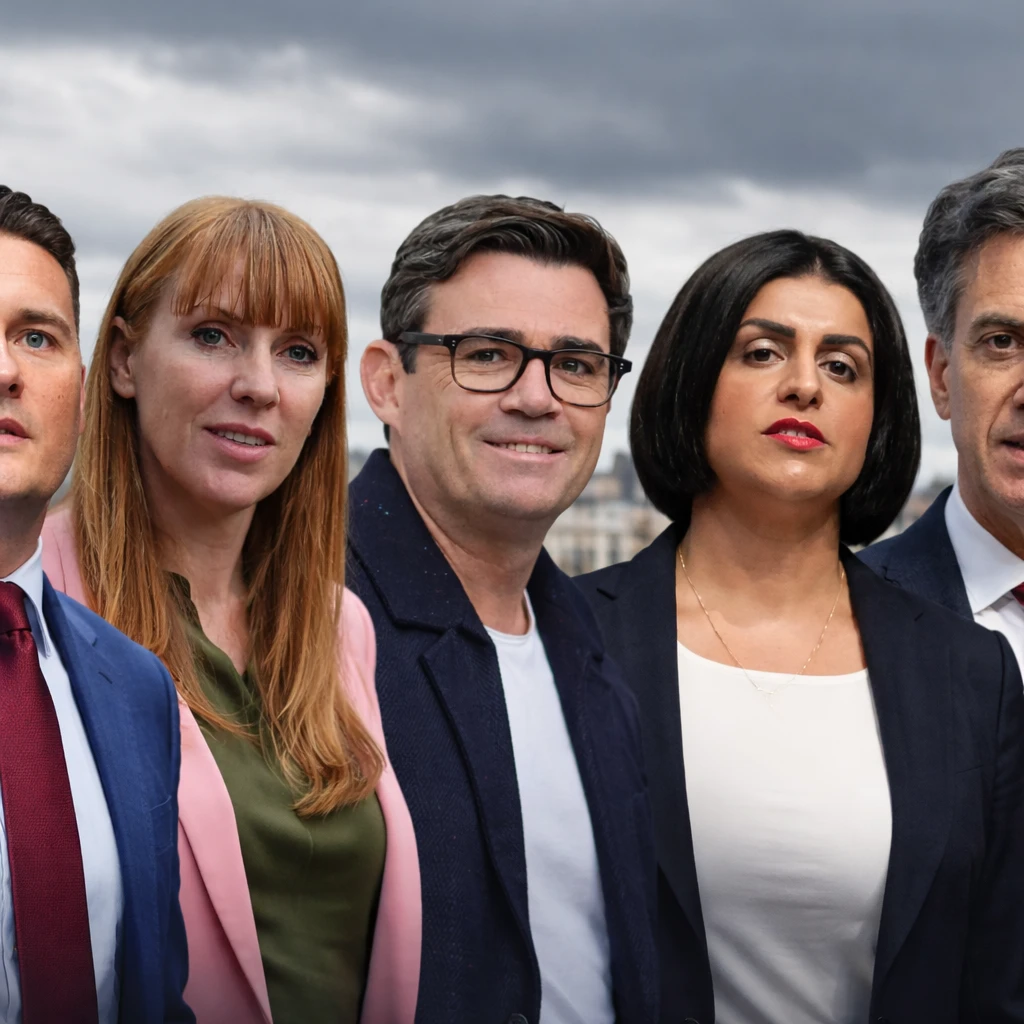
While the possibility of a leadership contest grows amid the unfolding scandal, no definitive front-runner has yet surfaced. Nonetheless, several prominent figures within the Labour Party are being viewed as potential successors should Starmer step down or be removed. These include:
- Wes Streeting: At 43, the Health Secretary is recognized for his effective communication skills and has been a vocal advocate on matters such as the ongoing conflict in Gaza. Streeting’s desire for the premiership has been a subject of rumors, gaining particular attention last year when Starmer's camp reportedly signaled to media outlets their intent to counter any leadership challenges. Despite circulating speculation, Streeting, elected to Parliament in 2015, has denied any ambitions to unseat Starmer, dismissing related reports as unfounded.
- Angela Rayner: Serving as deputy leader, Rayner stands out as a politician who diverges from traditional pathways, having left school early and experienced life in social housing as a teen mother. Since becoming a lawmaker in 2015, she has swiftly ascended through Labour’s ranks. Although she remains highly regarded within the party, her political standing took a hit following her resignation from government last year tied to a tax-related controversy on a property purchase. Rayner later instigated a revolt among lawmakers demanding parliamentary control over the release of intelligence committee documents after revelations from the Epstein files emerged.
- Andy Burnham: Currently the mayor of Greater Manchester and well-known on the center-left spectrum of Labour, Burnham has been a perennial figure considered for party leadership. His prospects have recently been complicated by Labour’s decision to prevent him from contesting a parliamentary by-election, a customary step for someone aiming to become Prime Minister. Burnham, 56, has prior cabinet experience, including roles as Culture Secretary and Health Secretary.
- Shabana Mahmood: At 45, Mahmood occupies the challenging position of Home Secretary, tasked with overseeing immigration controls and law enforcement. She has garnered favor among Labour’s right wing factions through her policies to tighten border security and combat unauthorized immigration.
- Ed Miliband: Formerly Labour’s leader from 2010 until 2015, Miliband is now the Energy Secretary. Despite publicly downplaying any intention to reclaim the party leadership, his extensive experience remains a notable asset within the Cabinet.
As the scandal surrounding Mandelson's appointment and his Epstein connections intensifies, these Labour figures represent the most plausible candidates to succeed Starmer, should he be forced to relinquish his leadership amid party discord.