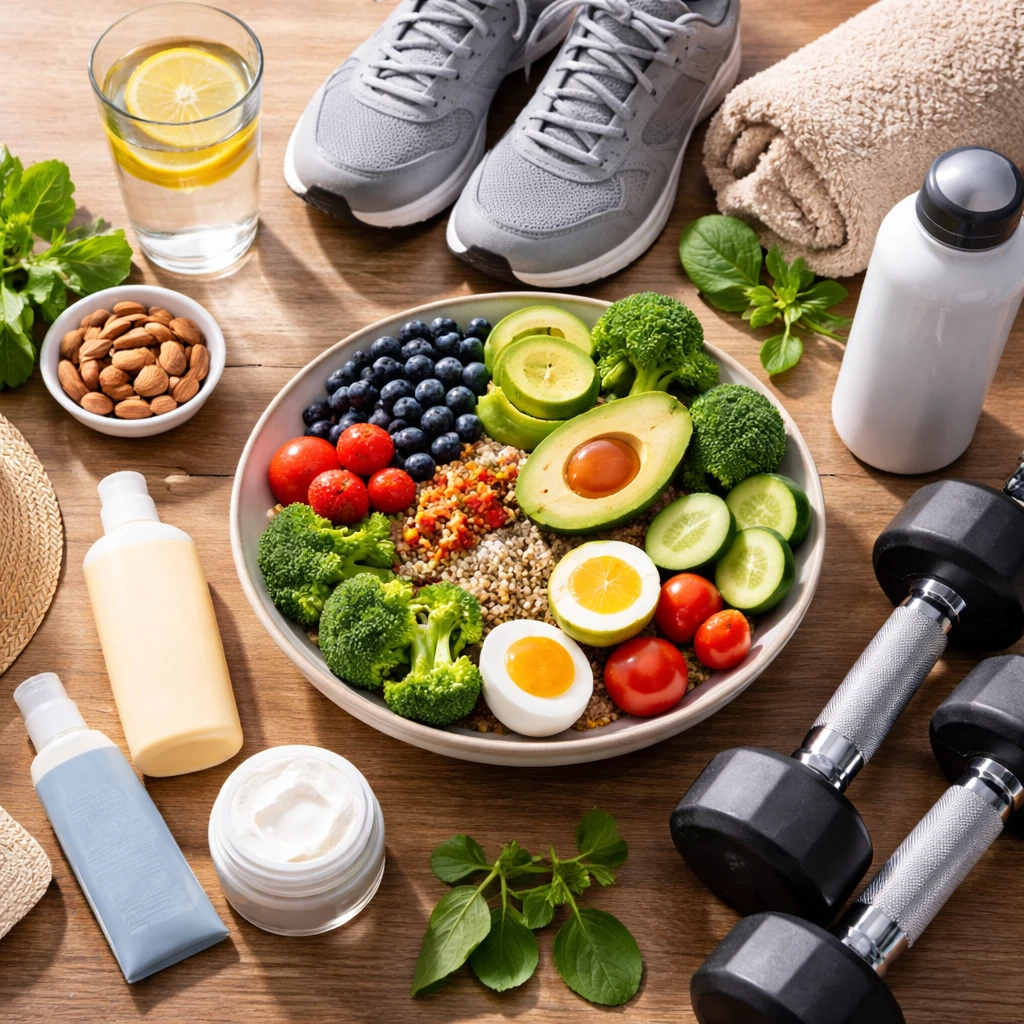

With the arrival of 2026, numerous individuals aim to embrace healthier lifestyles through new resolutions focused on wellness. However, the plethora of advice—often conflicting—originating from various media, advertisements, social influencers, acquaintances, and political discourse can render these intentions overwhelming. Fortunately, experts recommend a simplified path to health improvement. Below is a consolidated guide on what elements of popular health wisdom can be disregarded, what measures warrant attention, and how to reliably navigate the flood of health claims anticipated in the coming year.
Dietary Proteins and Fiber: Prioritize Whole Foods Over Premium Products
Regarding nutrition, experts generally agree that purchasing higher-priced foods for protein enhancement is unnecessary for the majority who consume an adequate diet. Protein intake is sufficient for many without seeking specialty items promising significant boosts. An increase in dietary fiber does benefit most individuals; nevertheless, the current trend toward excessive fiber consumption ('fiber-maxxing') is discouraged. The preferred approach is to incorporate whole foods naturally rich in fiber, such as an array of fruits, vegetables, legumes, and whole grains, thereby fostering balanced nutrition.
Streamlined Skin Care: Eschew Excessive Routines for Fundamental Protection
Complex, multi-step skin regimens and costly serums marketed online often lack endorsement from dermatologists. Instead, practitioners recommend straightforward practices, emphasizing the use of effective sunscreen daily, which is crucial regardless of skin tone. Dermatologists also advise keeping showers brief and uncomplicated, negating the need for lengthy cleansing procedures or 'double cleansing.' These cost-effective habits are sufficient for maintaining skin health.
Accessible Exercise Options: Embracing Calisthenics to Build Fitness Confidence
Gym intimidation or the absence of equipment should not deter physical activity. Calisthenics, focusing on bodyweight exercises, have recently reemerged as practical options for enhancing muscle strength and cardiovascular fitness within one's home environment. This form of exercise serves as an excellent foundation for developing consistency and self-assurance before potentially progressing to weightlifting or other specialized workouts.
Critical View of Wellness Fads: Questioning the Value of Trendy Treatments
Despite alluring marketing, many wellness interventions such as intravenous vitamin therapy offer little advantage over standard oral supplements readily available and typically unnecessary with a balanced diet. Medical professionals often describe these treatments as resulting in excessive and costly waste without commensurate benefit. Additionally, commercial items like microbiome testing kits provide data unexploitable by doctors, offering limited practical utility. Continuous glucose monitors have minimal demonstrated benefit for non-diabetic individuals, further underscoring the importance of scrutinizing health products.
Reaffirming Fundamental Health Measures: Walking, Monitoring Metrics, and Mental Care
- Incorporate regular walking into daily life, both for enhancing physical well-being and mental health. Medical research supports walking's benefits strongly enough that some healthcare providers officially prescribe outdoor time.
- Focus attentively on controlling critical health indicators, especially hypertension, which often remains undiagnosed yet contributes to severe future health complications. Ensuring adequate sleep for oneself and family members is equally imperative, coupled with mindful eating habits emphasizing slower consumption.
- Promote mental wellness through deliberate reduction in technology distractions to reclaim attention span, bolster social interactions, and nurture various forms of personal relationships.
These lifestyle adjustments extend benefits beyond immediate improvement, contributing to reduced risks of dementia and other long-term health conditions.
Trustworthy Health Information: Relying on Medical Professionals Amid Information Overload
The abundance of personal testimonials via social media and aggressive advertising complicates discerning credible health advice. Although some medical practices and treatments have recently come under scrutiny, healthcare providers remain the most reliable sources for guidance on prevention, diagnosis, and treatment. When immediate access to a physician is unavailable, online resources should be utilized cautiously to inform, not to self-diagnose. Preparing questions in advance and seeking clarifications during medical consultations maximizes the benefit of professional engagement.