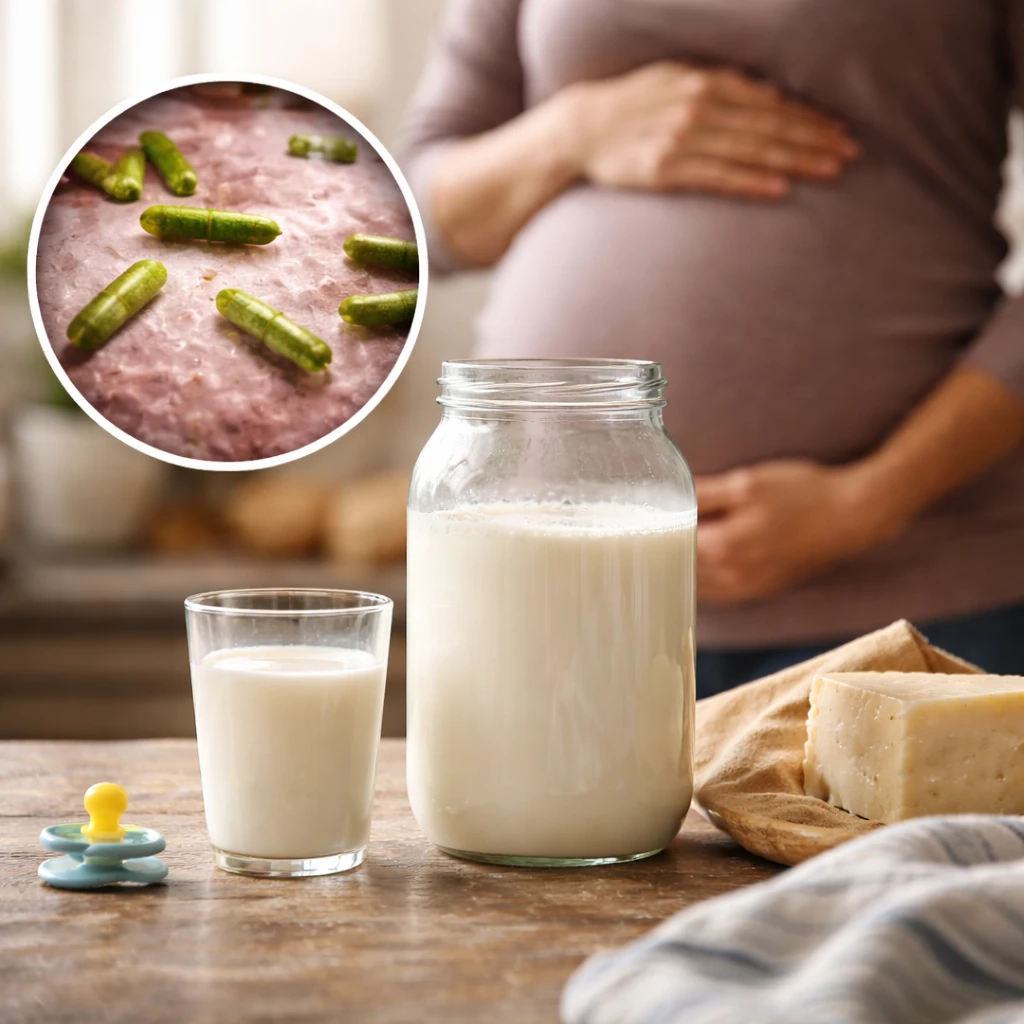

Health authorities in New Mexico have declared a cautionary advisory regarding the consumption of unpasteurized dairy, prompted by the recent death of an infant from a listeria infection. The investigation into the newborn’s fatal illness identified the likely source as raw milk consumed by the mother during her pregnancy.
Due to privacy and confidentiality constraints, state officials refrained from disclosing detailed information about the case or the infant involved. Despite an inability to definitively pinpoint the exact cause of death, investigators concluded that unpasteurized milk was the most probable origin of the infection. This determination was based on the chronological occurrence of the infection alongside reports confirming maternal consumption of raw milk through the pregnancy term.
Raw milk, unlike pasteurized dairy, remains untreated by heat, allowing it to carry several types of pathogenic microorganisms, including the bacterium Listeria monocytogenes. Listeria infections can have severe repercussions during pregnancy, such as miscarriage, stillbirth, premature birth, and fatal infections in newborns, even if the infected mother manifests minimal symptoms.
The popularity and market demand for raw milk have been increasing in recent years, partly driven by social media influence and advocacy from prominent figures like Health Secretary Robert F. Kennedy Jr., who promotes the Make America Healthy Again initiative. This trend has amplified concerns from public health officials regarding the safety of consuming unpasteurized dairy products.
Pasteurization is a critical safety procedure involving heating milk to temperatures sufficient to deactivate harmful bacteria and viruses. This process effectively reduces the risk of diseases caused by a suite of pathogens potentially present in raw milk, including avian influenza, brucella, tuberculosis, salmonella, campylobacter, cryptosporidium, and E. coli. These infections are especially perilous to sensitive demographic groups such as young children, elderly individuals over the age of 65, and persons with immunocompromising conditions.
Authorities emphasize that avoiding raw milk consumption is vital to mitigate the risk of serious infections associated with such pathogens, particularly in pregnant women, where the consequences can be particularly tragic.