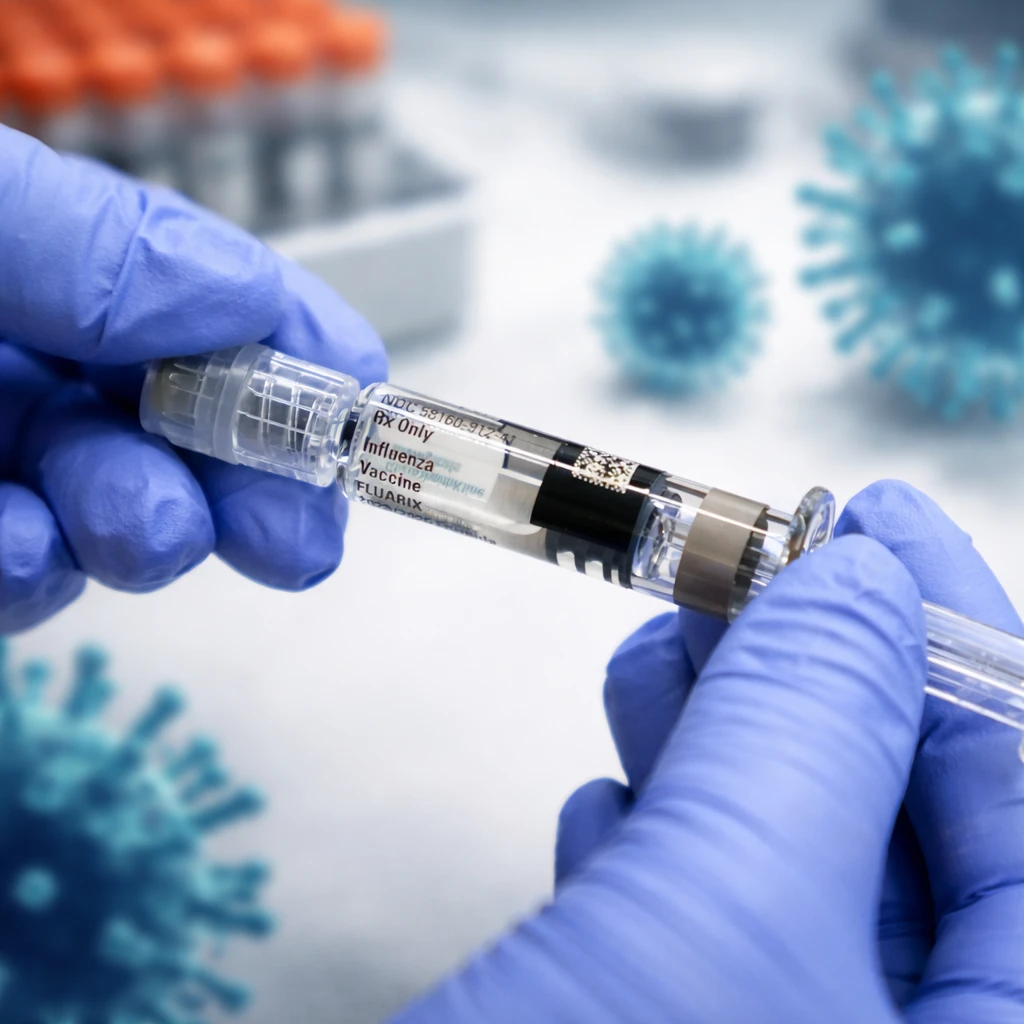

Influenza cases across the United States have surged swiftly, fueled by the emergence of a new variant known as subclade K. This strain, a mutated version of the H3N2 virus subtype, has previously caused early outbreaks in countries such as the United Kingdom, Japan, and Canada. Typically, the flu season in the U.S. commences in December; however, this year the Centers for Disease Control and Prevention (CDC) has reported elevated or very high illness levels in over 50% of states as of late December.
Current CDC estimates indicate there have already been over 7.5 million flu illnesses, with approximately 81,000 hospitalizations and 3,100 deaths nationwide during this season. These figures include at least eight pediatric fatalities, based on data available through December 20, prior to major holiday gatherings which could potentially exacerbate transmission rates. Some states are particularly experiencing intense flu activity, with New York reporting nearly 71,000 cases in a single week—the highest weekly total recorded since 2004.
While it remains uncertain whether this flu season will reach the severity seen in previous years, health experts continue to recommend vaccination as a critical tool to mitigate severe illness. Notably, the currently available flu vaccines are not a perfect match for the subclade K variant; nonetheless, preliminary analysis from the UK suggests the vaccine still provides partial protection, reducing the risk of hospitalization.
Despite these recommendations, CDC data show that only about 42% of adults and children in the U.S. have received the flu vaccine this season, leaving a significant portion of the population vulnerable.
Understanding the Subclade K Variant
The influenza virus is known for its capacity to continuously mutate. Subclade K is a mutation within the H3N2 subtype of Type A influenza viruses. Historically, H3N2 strains tend to cause more severe illness, particularly in older adults. Although the mutations in subclade K are insufficient to classify it as an entirely new strain, they enable it to partially evade immunity induced by this season's vaccine, according to Andrew Pekosz, a virologist at Johns Hopkins Bloomberg School of Public Health.
Severity and Treatment Considerations
The CDC has indicated it is still too early to ascertain the full impact of this season in terms of severity. Flu seasons dominated by H3N2 variants are generally associated with higher rates of infection and increased incidence of serious illness. Pekosz notes that more time is needed to determine whether the subclade K variant is inherently more transmissible or more virulent.
Treatment options do exist; prescription antiviral medications are recommended primarily for individuals at elevated risk of complications. These treatments are most effective when initiated within one to two days after symptom onset.
Vaccination Recommendations
Health authorities including the CDC and major medical organizations continue to advise flu vaccination for everyone aged 6 months and older. The guidance remains unchanged amid ongoing misinformation. Flu poses a particular threat to older adults (65+), pregnant women, young children, and individuals with chronic health conditions such as asthma, diabetes, heart disease, or weakened immune systems.
The current vaccines are formulated to target three influenza strains. While the new H3N2 subclade K variant partially evades vaccine-induced immunity, the vaccine appears to be well matched against other circulating strains such as H1N1 and Type B influenza.
Vaccination options include injectable vaccines for all ages and the nasal spray FluMist, approved for use in individuals aged 2 to 49. For the first time this season, some individuals may be eligible to self-administer FluMist at home.
Overall, public health officials emphasize the importance of continued vigilance through vaccination and timely medical care to mitigate the impact of the flu season propelled by this emerging variant.