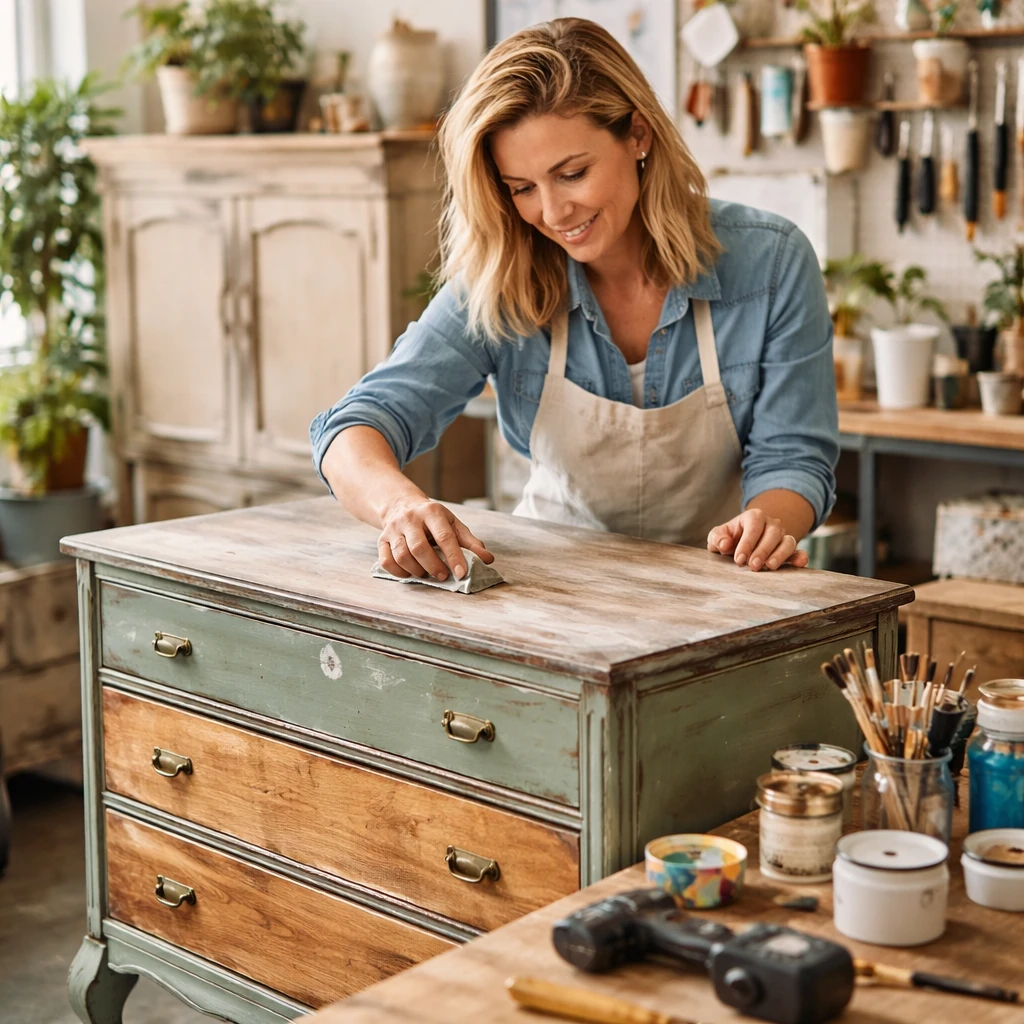

Old furniture, often dismissed as worn or outdated, is finding new purpose through creative repurposing. Take, for example, a weathered sideboard picked up at a garage sale transformed into an elegant media console, or vintage trunks with stories etched into their surfaces becoming charming bedside tables. This movement transcends mere restoration; it embraces reinvention, injecting fresh functionality and style into pieces that have withstood time.
Driving this surge in repurposing are various factors including sustainability, cost-effectiveness, aesthetic appeal, and sentimental value. The durability and craftsmanship characteristic of older furniture—featuring solid wood construction, dovetail joints, and distinctive paintwork—offer a foundation that is both sturdy and imbued with character, making such items ideal candidates for a second life. Moreover, the end result is often a unique statement piece, imbued with a sense of individuality rarely found in mass-produced contemporary furniture.
Debbie Mathews Leroy, a Nashville-based designer, underscores the irreplaceable quality of aged finishes. She notes that the patina contributed by years of use lends a special uniqueness that newer furniture struggles to replicate. Examples from her work include modifying a rustic French table with a stone sink top for a client’s powder room and enhancing a French bamboo cabinet in her own home by adding a marble surface. These thoughtful updates celebrate the original craftsmanship while tailoring functionality to modern needs.
Artist and upcycler Jessie Tristan Read of Wynnewood, Pennsylvania, advocates for blending contrasting styles. She highlights the appeal of placing an antique or vintage dresser in a contemporary kitchen, where it imparts warmth and charm alongside practical storage for household essentials like utensils, linens, and cookware.
When considering acquiring vintage furniture for repurposing, Noel Fahden, Vice President of Chairish—a platform specializing in vintage art and furnishings—recommends diligent measurement and research. Measuring the dimensions more than once ensures that a coveted piece will physically fit into the intended space, preventing disappointments upon delivery. Additionally, exploring a piece's provenance can inform decisions regarding the degree to which one might modify or preserve its original features.
Fahden also cautions prospective buyers to scrutinize the furniture’s finish. While traces of age such as sun fading, water rings, or smoke damage may add character, some damage can be expensive or infeasible to remediate. Courtney Batten, from Paige Studio in Dallas, further advises avoiding pieces constructed from medium-density fiberboard (MDF) or laminate, as well as those from households with heavy smoke exposure, due to durability and smell concerns.
The extent of alteration applied during upcycling varies widely. Some projects involve significant modification, such as removing shelves or replacing legs on a table. Others require minimal adjustment, like swapping out knobs or hardware to refresh the appearance while preserving the item’s structural integrity. An added customer convenience might include fitting a butcher block or marble top to an old dresser converted into a kitchen island.
Conversations about popular transformation projects consistently reference the conversion of dressers into bathroom vanities. However, Batten highlights that while aesthetically appealing, these alterations often incur high costs due to necessary plumbing adaptations, which can negate potential savings compared to acquiring pre-made bathroom vanities. Therefore, those attracted to vintage vanities should view the endeavor primarily as a stylistic choice rather than a budget measure.
Additional inventive repurposing suggestions include using vintage multi-drawer general store or watchmaker cabinets for organized storage of stationery, crafts, toys, or pet supplies. Items bearing distinctive markings, like wooden soda crates or old cheese boxes, can double as functional storage pieces and decorative art. Further, hat boxes arranged on walls serve as circular storage displays offering both practicality and visual interest.
Lisbeth Parada of Minwax in Westlake, Ohio, recommends turning dressers into bar carts and repurposing hutches as dedicated beverage centers. She has also creatively transformed CD towers into jewelry organizers and magazine racks into holders for blankets, showcasing the versatility of old furnishings.
Stacy Verdick Case, a furniture restorer based in Lindstrom, Minnesota, adds that discarded television cabinets—commonly available at little to no cost—can be reimagined as coffee stations, craft closets, or entryway storage units. Moreover, she notes that antique doors with detailed panels make unique headboards, and if a piece seems too low for its intended use, adding chunky wooden feet can provide the appropriate elevation.
For homes with limited closet space, Case suggests repurposing glass-door cabinets—reminiscent of those used by grandparents to showcase fine china—as linen cupboards. This allows the display of folded bedding and comforters, showcasing patterns as part of the room’s decor.
Rugs and textile remnants also find new life in repurposing projects. Batten shares that damaged rugs are often repaired by framing sections to create affordable and unique wall art, preserving the textile’s history and originality.
Artist Colleen Kelly, based in Palm Springs and trading under HippieWild on Etsy, innovates in textile upcycling by mounting antique kantha quilts and vintage fabrics from the 1960s inside wooden embroidery hoops of various sizes. This method produces slim-profile wall art that accentuates fabric patterns, likened by Kelly to painting, and results in distinct, one-of-a-kind pieces.