
In a significant display of bipartisan unease, the Senate moved forward with a resolution on Thursday designed to constrain President Donald Trump's ability to undertake additional military strikes against Venezuela. The measure, which passed with a 52-47 vote incorporating Democratic support and five Republican senators, seeks to ensure that any further military involvement in the South American nation requires congressional authorization.
While the resolution is unlikely to become law—given that it would necessitate President Trump's signature following passage by the Republican-controlled House—it nonetheless marks a noteworthy expression of legislative concern. The move comes in response to the administration’s recent surprise nighttime raid that resulted in the capture of Venezuelan leader Nicolás Maduro, signaling an expansion of U.S. military ambitions within the Western Hemisphere.
Senator Josh Hawley of Missouri, one of the Republicans voting in favor, emphasized the forward-looking nature of the resolution. "If the president should determine, 'You know what? I need to put troops on the ground of Venezuela,' I think that would require Congress to weigh in," he stated, underscoring the call for legislative input on military deployments.
Joining Hawley in supporting the resolution were Senators Rand Paul (Kentucky), Lisa Murkowski (Alaska), Susan Collins (Maine), and Todd Young (Indiana). In response, President Trump criticized the vote on social media, asserting that those senators "should never be elected to office again" and arguing that the measure "greatly hampers American Self Defense and National Security."
Efforts by Democratic lawmakers to pass similar resolutions earlier had been unsuccessful, even as Trump increased pressure on Venezuela. However, the capture of Maduro and indications that the administration is exploring additional regional initiatives, potentially including Greenland, have elevated congressional apprehensions. Senate Democratic leader Chuck Schumer framed the vote as a rejection of unilateral executive war-making authority without congressional debate or approval, signaling a broader push for oversight.
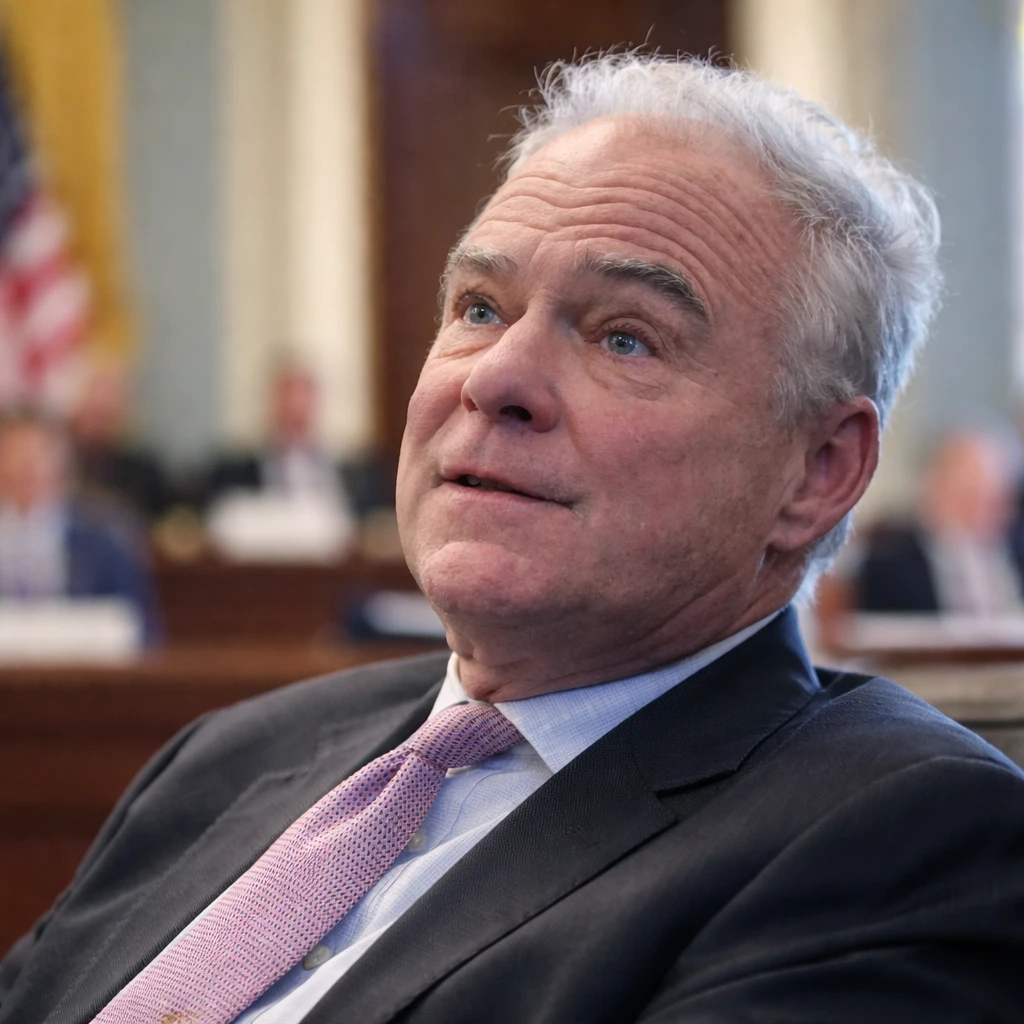
Regarding reactions within Congress, Republican leaders disclosed they had no prior knowledge of the clandestine Venezuelan operation but generally expressed satisfaction following classified briefings. Senator Tim Kaine (D-Va.), who compelled the resolution vote, suggested that the administration’s evolving legal justifications and President Trump's remarks about U.S. oversight in Venezuela lasting for years alarmed lawmakers. This, coupled with classified information, fueled conclusions that such extensive military involvement requires legislative sanction.
The administration’s campaign in Central and South America has utilized various legal rationales over time, including fighting terrorism and characterizing the Maduro apprehension as a law enforcement action aimed at U.S. prosecution.
Despite Republican backing of the president’s approach to Venezuela—with Senate Majority Leader John Thune highlighting a "strong commitment to peace through strength"—there remains GOP concern regarding statements indicating direct U.S. governance of Venezuela. Senator Todd Young, while supportive of Maduro’s capture, questioned the implications of continued American military presence and the readiness of his constituents to support such engagements.
Parallel to the Senate vote, House Democrats introduced a comparable resolution, aiming to assert congressional authority over foreign military deployments.
The War Powers Act, enacted in 1973 and traditionally rarely enforced, sits at the heart of this debate. Intended to check presidential military engagement without congressional approval, the law has been employed inconsistently. Presidents from both parties have regarded it as encroachment on their constitutional role as commander in chief. The act mandates congressional notification within 48 hours of troop deployment and limits active military involvement to 60-90 days without explicit approval but has not effectively curtailed unilateral executive military action.
Some Republicans maintain the position that congressional approval is unnecessary for military operations, with Senator Lindsey Graham of South Carolina advocating for broad presidential authority, including potential actions concerning Greenland. Graham, a staunch Trump supporter, asserted that the commander in chief possesses the authority to employ military force without legislative interference.
Greenland has emerged as a new focal point, with the administration considering military options related to the territory. Despite strategic importance cited by Republicans, most lawmakers are skeptical about employing military means for acquisition or control. Diplomatic talks with Denmark and Greenland have yielded clear refusals to entertain purchase or transfer of sovereignty.
Senate Armed Services Committee Chairman Roger Wicker met with Danish and Greenlandic representatives, affirming that Greenland is "not for sale" and expressing hopes for strengthened U.S.-Denmark relations. Democrats are proactively preparing legislative measures to preclude any military invasion of Greenland, with Senator Ruben Gallego planning to introduce a corresponding resolution.
This evolving geopolitical scenario illustrates heightened legislative scrutiny over the executive’s expanding foreign military initiatives and underlines ongoing tensions between the branches of government about war powers, sovereignty, and national security strategy.