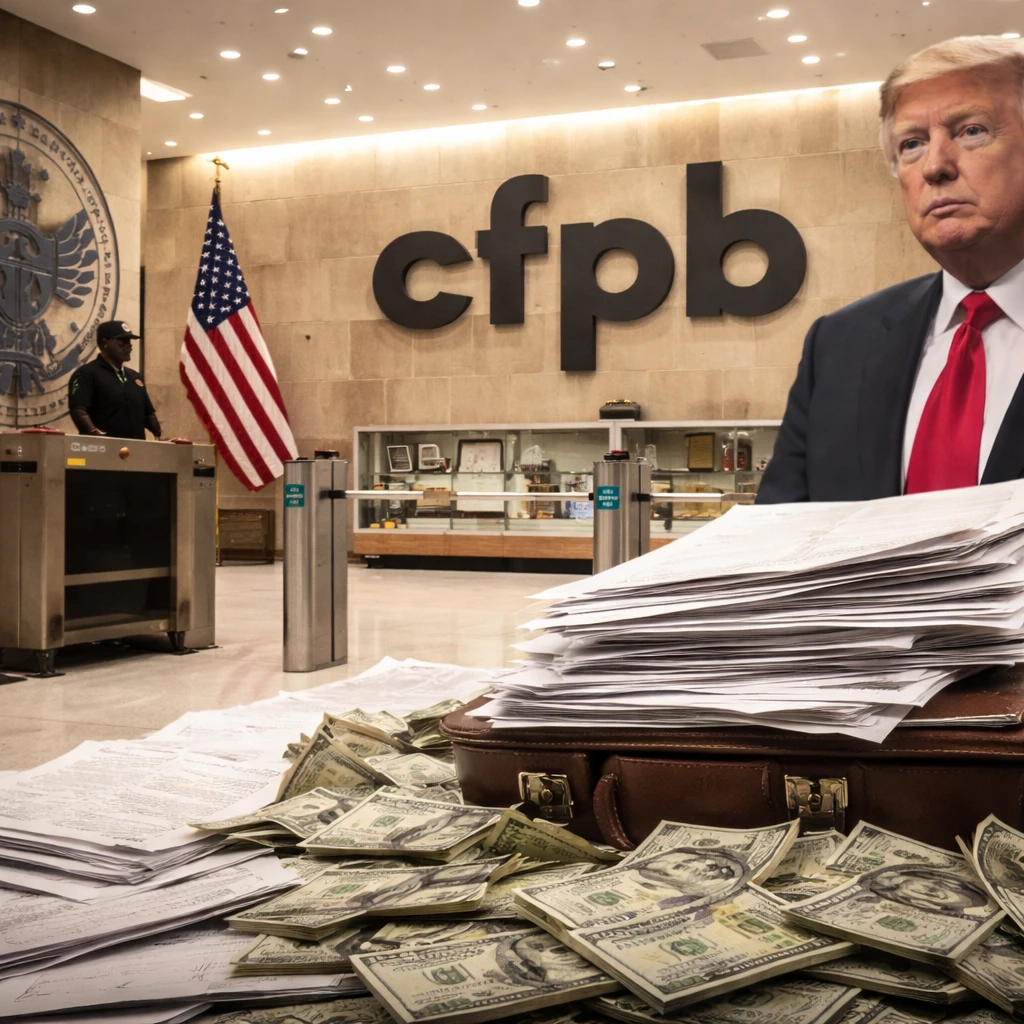

In the year following the leadership transition at the Consumer Financial Protection Bureau (CFPB), the agency notably diminished its enforcement efforts and regulatory initiatives. This retrenchment, associated with the period after the Trump administration assumed control in February 2025, is now linked to consumer losses estimated at no less than $19 billion, according to findings detailed in a report prepared by Senator Elizabeth Warren’s office prior to its public release.
The report outlines how the bureau, once an active consumer protection entity under former director Rohit Chopra during President Joe Biden’s administration, saw a marked decline in investigations and legal actions under the Trump administration’s acting director, Russell Vought. Substantial scrutiny illustrates the bureau's halt on numerous ongoing enforcement actions and a shift away from regulatory rulemaking, citing a significant downturn in agency activity and its impact on consumers.
Democratic leaders and consumer advocacy groups attribute this downturn directly to the Trump administration’s strategic downsizing and restructuring of the CFPB, aiming to curtail what they deem an excessively expansive agency. Despite the administration’s view that the bureau required streamlining, critics argue this step-back has led to forfeited financial protections for American families.
An April announcement from the White House aimed to drastically reduce CFPB staff levels from nearly 1,700 to just over 200 roles, citing efficiency and fiscal prudence. However, judicial interventions have so far blocked this move, and ongoing litigation spearheaded by the bureau’s employee union challenges staffing reductions. Complementing these staffing issues, congressional budget cuts have slashed the CFPB’s funding by about 50% through the enactment known as the One Big Beautiful Bill Act, intensifying operational constraints.
Consumer Reports advocacy director Chuck Bell described the agency’s condition saying, "The CFPB may still be standing, but it’s essentially on life support," emphasizing the institutional debilitations reported. Consumer Reports’ research corroborates findings similar to those in Senator Warren’s report, highlighting the agency's dramatically diminished role.
Oversight efforts uncover that certain regulatory measures aimed at shielding consumers were dismantled or obstructed during this timeframe. For example, a 2024 overdraft fee cap regulation finalized under the Biden CFPB was overturned last year by a Republican-controlled Congress. This rule was projected to save consumers approximately $5 billion annually but failed to take effect. Similarly, efforts to cap late credit card payment fees were stymied after a federal court blocked the proposed regulation, estimating potential savings of roughly $10 billion. The Trump-administration-led bureau chose not to contest this legal hurdle.
Additional consumer relief losses, totaling about $4 billion, stemmed from the dismissal of multiple lawsuits or settlements during Vought's interim oversight. Notably, a January 2025 lawsuit against Capital One alleging misleading interest rate disclosures on savings accounts was dropped shortly after the administration change. Additionally, a suit filed against Early Warning Systems, operator of the Zelle transfer platform, accusing negligence in safeguarding users from fraud and scams, was similarly dismissed last year.
The bureau’s complaint resolution mechanisms also experienced a sharp downturn. Previously, around 50% of consumer complaints led to relief under the Biden CFPB framework, but since the administrative shift, this figure plummeted to below 5%, showing markedly reduced agency intervention on behalf of consumers.
In parallel, a report released by the independent Government Accountability Office (GAO) highlighted challenges in tracking the bureau’s reorganization efforts, noting a lack of cooperation from both the White House and the agency itself. With limited access, the GAO primarily relied on publicly available documents to compile its findings, which aligned with media reports concerning the cancellation of enforcement actions and reversal of consumer protection rules. The CFPB justified its limited cooperation by citing ongoing litigation between management and employees.
Mark Paoletta, the bureau’s chief legal officer and deputy director during Vought's tenure, denounced the GAO report as "biased and flawed," asserting that the agency operated with incomplete information, though specific substantive critiques were not detailed in his response letter.