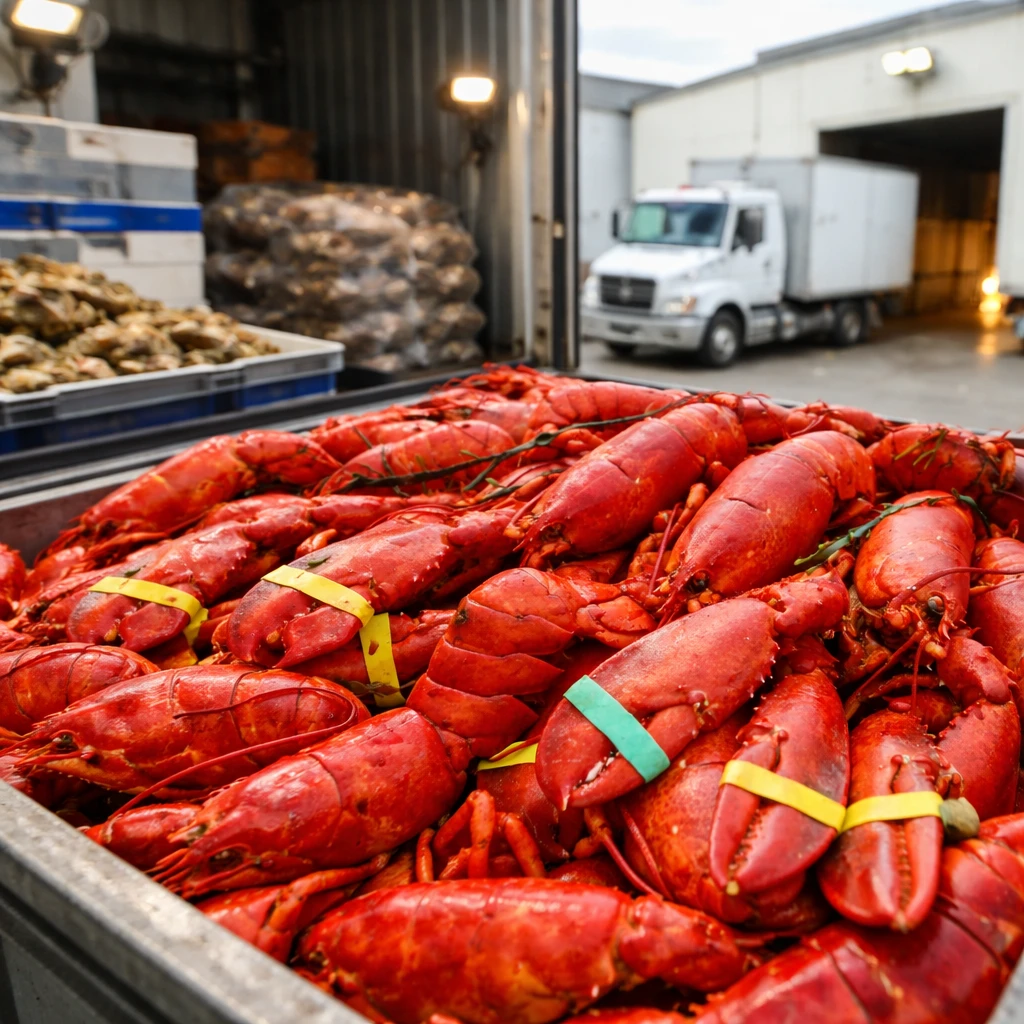

Several large-scale seafood thefts have recently impacted New England, drawing attention to vulnerabilities in regional transportation and supply chain security. Authorities report that over a period of weeks, approximately 40,000 oysters, crab meat, and lobster valued collectively at more than $400,000 have been stolen across multiple sites in the area.
The earliest reported theft took place on November 22 in Falmouth, Maine, where law enforcement suspects someone unlawfully removed 14 oyster cages from a Casco Bay aquaculture farm. Many of the oysters were market-ready, and the combined value of the oysters and cages is estimated at $20,000, according to the Maine Marine Patrol. Sergeant Matthew Sinclair characterized the incident as a serious blow to a small business owner, saying it was "a devastating situation for a small entrepreneur."
The subsequent burglaries occurred roughly 255 kilometers away in Taunton, Massachusetts. On December 2, a shipment of crab meat vanished following its departure from a Lineage Logistics warehouse. Shortly afterward, on December 12, a deceptive transportation company was responsible for stealing lobster designated for delivery to Costco stores in Illinois and Minnesota, according to Dylan Rexing, CEO of Rexing Companies, which coordinated the shipment.
Rexing detailed the sophisticated tactics employed by the impostor carrier: "The carrier we hired impersonated a legitimate company. They used a fraudulent email address, altered the truck’s signage, and even produced a counterfeit certified driver’s license. This was a very sophisticated crime."
Requests for comments to Lineage Logistics, Costco, and Taunton Police remained unanswered, but Rexing stated that local law enforcement had informed him about the crab meat theft at the same warehouse.
This type of cargo theft has been a persistent issue for more than ten years, but recent years have seen a sharp increase. Rexing remarked, "These thefts occur daily, multiple times each day."
Chris Burroughs, president and CEO of the Transportation Intermediaries Association, elaborated on the nature of cargo theft. He explained that such crimes generally fall into two categories. The theft of lobsters corresponds with the first type, involving criminals who impersonate legitimate freight companies. The second type, known as strategic theft, frequently uses phishing emails to infiltrate computer systems and facilitate payments without physically stealing the goods.
Burroughs highlighted the escalating severity of this problem, stating, "This is a massive, growing issue that must be addressed."
Given lobster’s perishable nature, both Rexing and Burroughs suggested that stolen lobsters likely ended up served in restaurants. While humorous remarks about stealing butter to accompany lobster have circulated, Rexing cautioned that such thefts have broader consequences for consumers. "Whether you consume seafood or not, theft affects multiple sectors. Components stolen go into car manufacturing and computer assembly. Ultimately, these costs are passed on to consumers," he said.