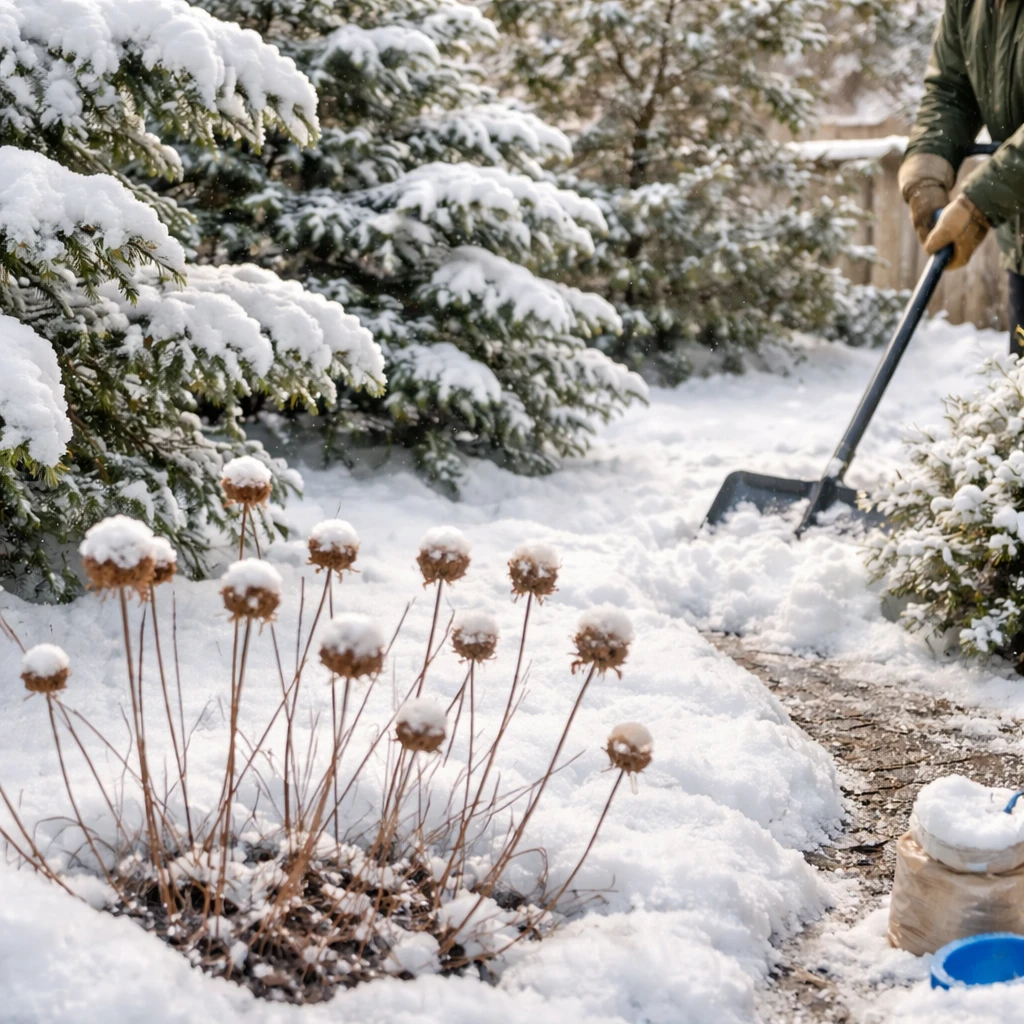

As temperatures plunge into single digits following a massive winter storm, many gardeners turn to a simple, natural method for protecting their outdoor plant life: piling snow onto garden beds. This approach, grounded in the science of plant survival in freezing climates, offers multiple benefits to dormant plants, including trees, shrubs, and perennials.
During the winter months, soil undergoes cycles of freezing and thawing that can be particularly harsh on plants. These temperature fluctuations cause contraction and expansion in the ground, which can push roots, seeds, bulbs, tubers, and rhizomes upward, sometimes exposing them to dangerous cold and dry winds. When these vital parts of plants become exposed, they face a heightened risk of damage or death.
Snow intervenes as a natural protective layer by acting like a dense mulch over garden beds. This blanket limits heat loss from the soil, keeping temperatures more stable beneath the surface. As a result, plants are shielded from the severe temperature swings that contribute to root and shoot damage. Additionally, the melting of snow not only hydrates the soil but also delivers nitrogen absorbed from the atmosphere, which serves as a natural fertilizer, enhancing plant health and preparedness for the growth season ahead.
While snow's insulating properties benefit many plants, its weight represents a threat to others, particularly evergreen trees such as arborvitae and Leyland cypress. When wet snow accumulates on their branches, it can cause bending, warping, or snapping, potentially leading to permanent deformation. This risk underscores the importance of timely snow management by gardeners.
Gardening experts advise the gentle removal of snow from tree branches using tools like long-handled brooms to prevent damage. Typically, this task is performed once the storm passes; however, during extended snowfall events, proactive removal is recommended even as the snow continues to fall. Given the high cost of replacing mature trees, this preventive care is a practical investment for property owners.
It's essential to exercise caution when dealing with ice accumulation on trees. Attempts to dislodge ice may cause bark damage or harm delicate plant tissues and are therefore discouraged. Instead, ice should be left undisturbed to melt naturally, despite the uncertainty of potential damage during the thaw.
After clearing walkways and driveways, the use of ice-melting agents can prevent hazardous refreezing, but selecting appropriate products is crucial for protecting plants and animals in the surrounding environment. Magnesium chloride stands out as a preferred option; it dissolves rapidly, functions effectively at temperatures as low as minus 10 degrees Fahrenheit, and is less harmful to pets' paws. Moreover, it poses minimal risk to plants, which may come into contact with it through various pathways such as windblown particles, soil runoff, or splashing from nearby footpaths.
Despite its advantages, magnesium chloride is more expensive than other common ice melt products. For extensive coverage areas where budget constraints exist, gardeners might reserve magnesium chloride for zones adjacent to plants and common pet paths, while employing calcium chloride in less sensitive locations. Although calcium chloride is sometimes marketed as safe for pets and plants, it can still cause irritation and foliage damage if overused. Protective gloves are recommended when handling it, and rinsing pets' paws after exposure helps minimize risks.
Potassium chloride, another compound recognized in horticulture as a fertilizer component, is not suitable for use as an ice melter. The quantities needed to effectively melt ice can endanger plant health due to toxicity.
The least desirable ice-melting chemical is sodium chloride, commonly known as rock salt. Despite its low cost, sodium chloride negatively impacts plants, animals, and infrastructure. It accelerates corrosion on vehicles, damages concrete surfaces, and threatens wildlife and plant ecosystems.
Regardless of the ice-melt chosen, applying the minimum effective quantity is advised to reduce collateral damage to masonry and the environment. Investing in waterproof sealants for pavement and driveways during warmer months also aids in protecting these surfaces against winter-related deterioration.
Jessica Damiano regularly contributes gardening insights and advice through columns and newsletters dedicated to horticultural enthusiasts seeking expert guidance on seasonal plant care.