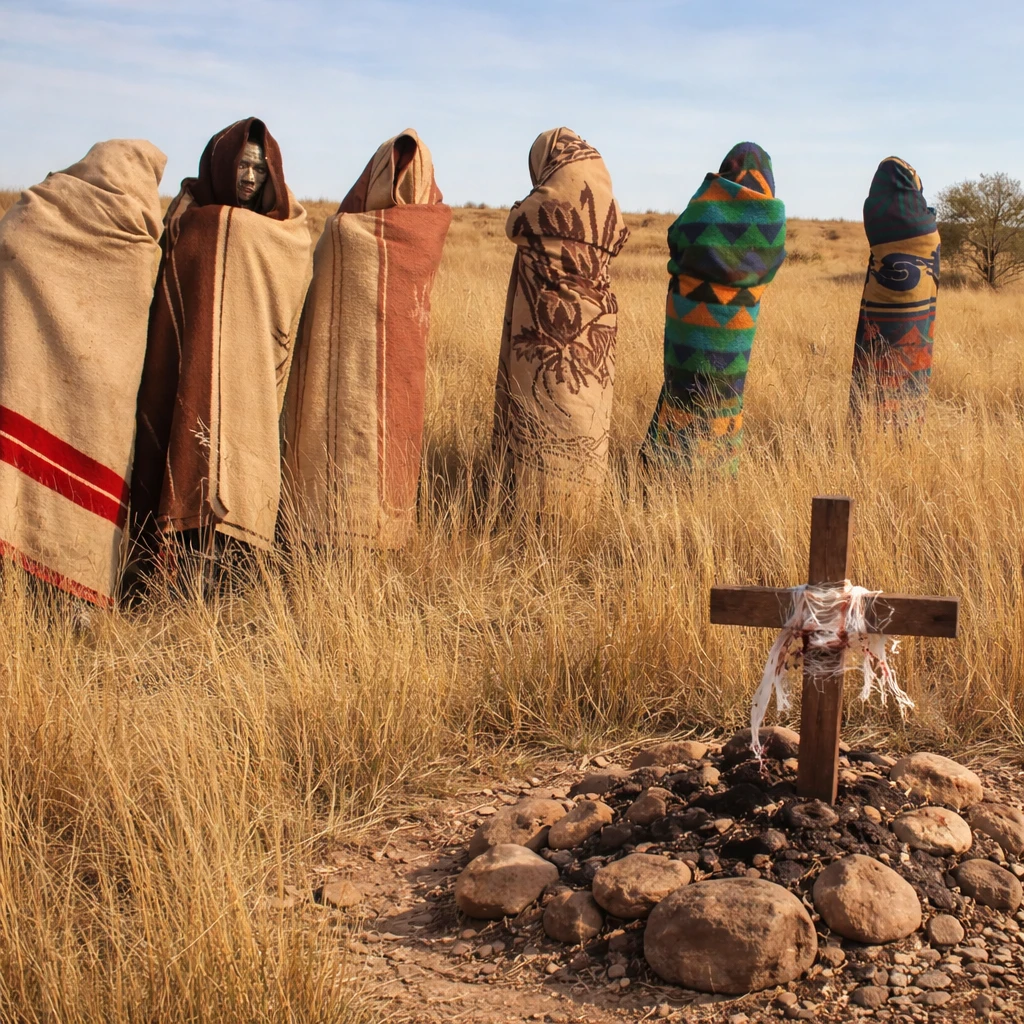

Authorities in South Africa have confirmed that in the months of November and December, a minimum of 41 young men died following circumcision procedures conducted in the context of traditional initiation rites. This phenomenon was announced on Tuesday during government briefings.
These initiation rites, observed annually by several ethnic groups such as the Xhosa, Ndebele, Sotho, and Venda, serve as cultural passages marking the transition into adulthood. Integral to the process is a period of seclusion at initiation schools, where initiates are instructed on the customs, values, and responsibilities expected of adult men within their communities.
However, the physical act of circumcision, which is central to these rites, has consistently been associated with mortality risks among the initiates. The high incidence of deaths has prompted government interventions in the form of legislation mandating the registration and oversight of initiation schools to uphold safety standards.
Despite these legal frameworks, numerous illegal initiation schools remain operational, often responsible for the recorded fatalities. Financial incentives contribute to the perpetuation of these unauthorized institutions; parents are generally required to pay fees to enroll their sons for the duration of the initiation period, leading some individuals to establish unregistered schools.
Initiation ceremonies typically occur during South Africa's winter (June-July) and summer (November-December) school holidays. This year’s summer initiation period was particularly fatal, with 41 deaths documented. Velenkosini Hlabisa, South Africa’s Minister of Traditional Affairs, addressed local media regarding the situation, attributing the deaths not only to inadequacies within the initiation schools—including some that are officially registered—but also to parental failure to observe safety precautions and medical advice.
Minister Hlabisa highlighted harmful practices disseminated among the initiates, such as avoidance of water consumption under the mistaken belief it accelerates healing. This neglect of medical guidelines, combined with a lack of parental oversight, exacerbates the risk to initiates during their isolation periods.
"Some initiation schools fail to meet health standards, and many parents neglect essential follow-ups, such as ensuring their children maintain hydration. Such neglect places the youth at considerable risk," Hlabisa explained.
The Eastern Cape province has been identified as bearing a disproportionate burden, with 21 deaths occurring there to date. Authorities have acted against non-compliant schools, arresting 41 people connected to illegal initiation practices. Among those detained are parents who provided false ages to enroll younger children, in violation of the law which stipulates that only males aged 16 and above, with parental consent, may participate in initiation rites.
Traditional initiation maintains a significant cultural presence across many African communities, often culminating in celebrations that honor the young men's transition into manhood following their return from the initiation period.