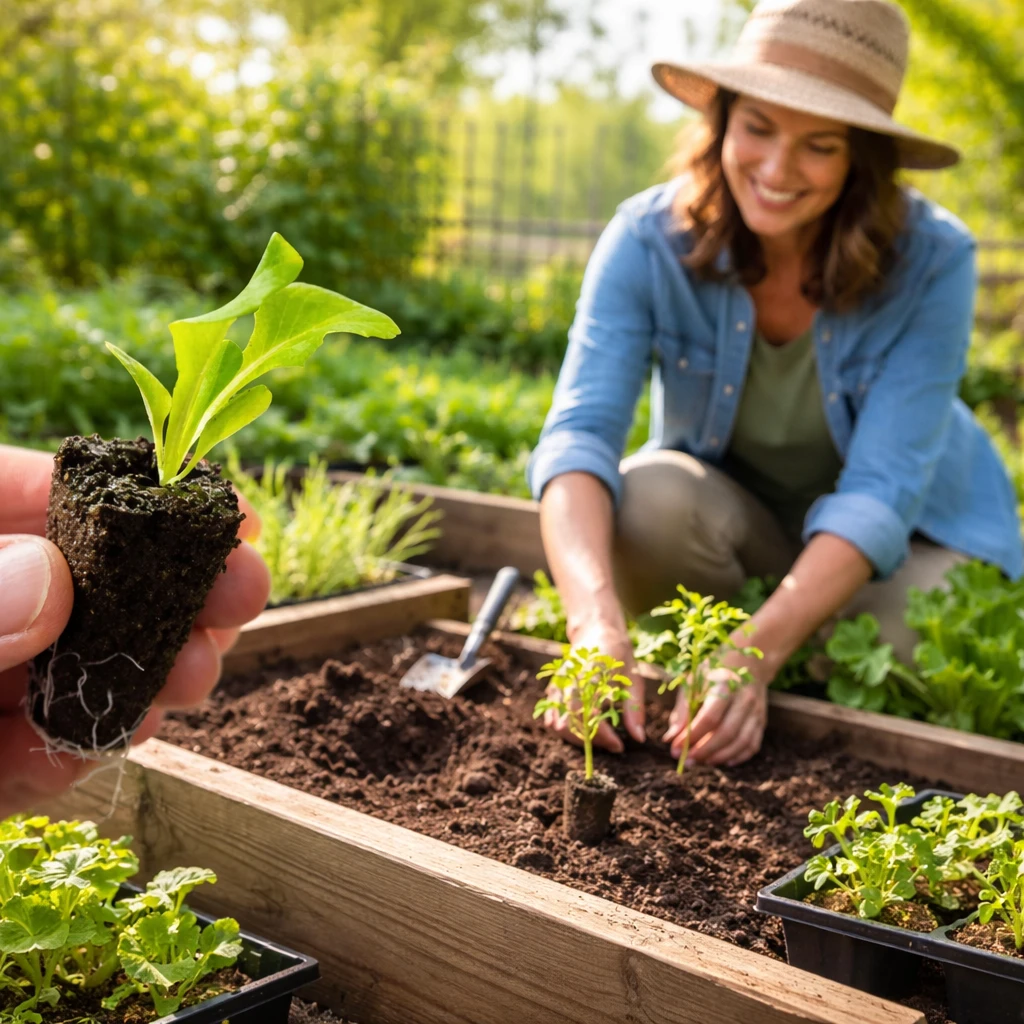

Consuming fresh, local, organic, and seasonal produce not only enhances diet quality but also lessens environmental impact by reducing soil strain and transportation emissions. Cultivating a vegetable garden in one’s backyard represents the pinnacle of these food qualities, offering unmatched freshness and sustainability.
Even as snow blankets many regions during this season, now is the ideal period to strategize garden arrangements. Early planning is essential to ensure that gardeners are fully equipped to begin planting promptly after the local last frost date.
Environmental Benefits of Home Gardening
A backyard vegetable garden enriches the local environment by introducing a variety of plants that can replace less beneficial landscapes like lawns or artificial surfaces such as decks or patios. Incorporating diverse flora supports pollinators through flowering plants and contributes to soil carbon storage. Additionally, it helps prevent soil compaction and can mitigate heat on paved surfaces by creating cooler microclimates, as noted by Ellen Comeau, chair of the advisory council for the Cuyahoga County Master Gardener Volunteers with the Ohio State University Extension program.
Compared with commercially sourced produce, which often requires long-distance trucking, homegrown fruits and vegetables generate significantly fewer carbon emissions. Carol Connare, editor of The Old Farmer’s Almanac, highlights the concept of a "zero-kilometer meal," emphasizing the environmental advantage of producing food in the immediate vicinity.
Health and Social Advantages
Gardening delivers wide-ranging health benefits encompassing social engagement, emotional well-being, nutritional improvements, and physical activity. Katherine Alaimo, associate professor at Michigan State University specializing in food science and human nutrition, explains that the physical effort involved in gardening, combined with the consumption of freshly harvested, nutrient-rich crops, supports overall health.
Most home gardeners tend to cultivate organically without relying on pesticides, increasing their intake of vegetables while exploring new foods and recipes. The activity also fosters a connection with nature, a sense of achievement, and community sharing, which can reduce stress levels, lower blood pressure, and enhance energy.
Selecting the Garden Location and Budget Considerations
Sun exposure is a critical factor in garden placement, with most vegetables requiring a minimum of six hours of sunlight each day. Areas receiving less sun are better suited to leafy greens, which tolerate shade, whereas fruit-bearing plants benefit from sunlit spots. Convenient access to water is another vital factor, as it reduces the labor required to nourish plants.
Testing the soil before planting can provide insights into acidity and nutrient content, guiding appropriate crop selection and soil amendments. Soil samples can be sent to cooperative extension services affiliated with universities. Those with non-arable surfaces can opt for raised beds filled with purchased soil, which allow control over soil quality but involve higher initial costs and long-term maintenance.
Budgetary limits influence garden size, choice between seeds and starter plants, and the scope of equipment purchases. An essential investment may be fencing to protect crops from various pests, such as digging animals like groundhogs or climbing pests, with some fencing requiring deep soil installation or height adjustments to deter deer.
Choosing Crops and Timing Planting
Your geographic plant hardiness zone dictates which fruits and vegetables are suitable. Local knowledge, including insights from neighboring gardeners, is valuable for identifying plants that thrive in your area and local pollinators attracted by specific flowers.
Gardeners should consider their culinary preferences alongside plant viability, choosing crops they enjoy eating. Planning around the last frost date for your area is crucial since many plants are sensitive to frost; however, hardy cool-season crops like leafy greens may be planted earlier. Seeds for various plants can be started indoors in advance of outdoor planting.
Seed packages typically include instructions for optimal sowing timing and conditions, aiding gardeners in successful cultivation planning.
This guidance is part of a broader focus on wellness, nutrition, and environmental sustainability, encouraging individuals to engage in gardening for its multiple benefits to health, community, and climate impact.