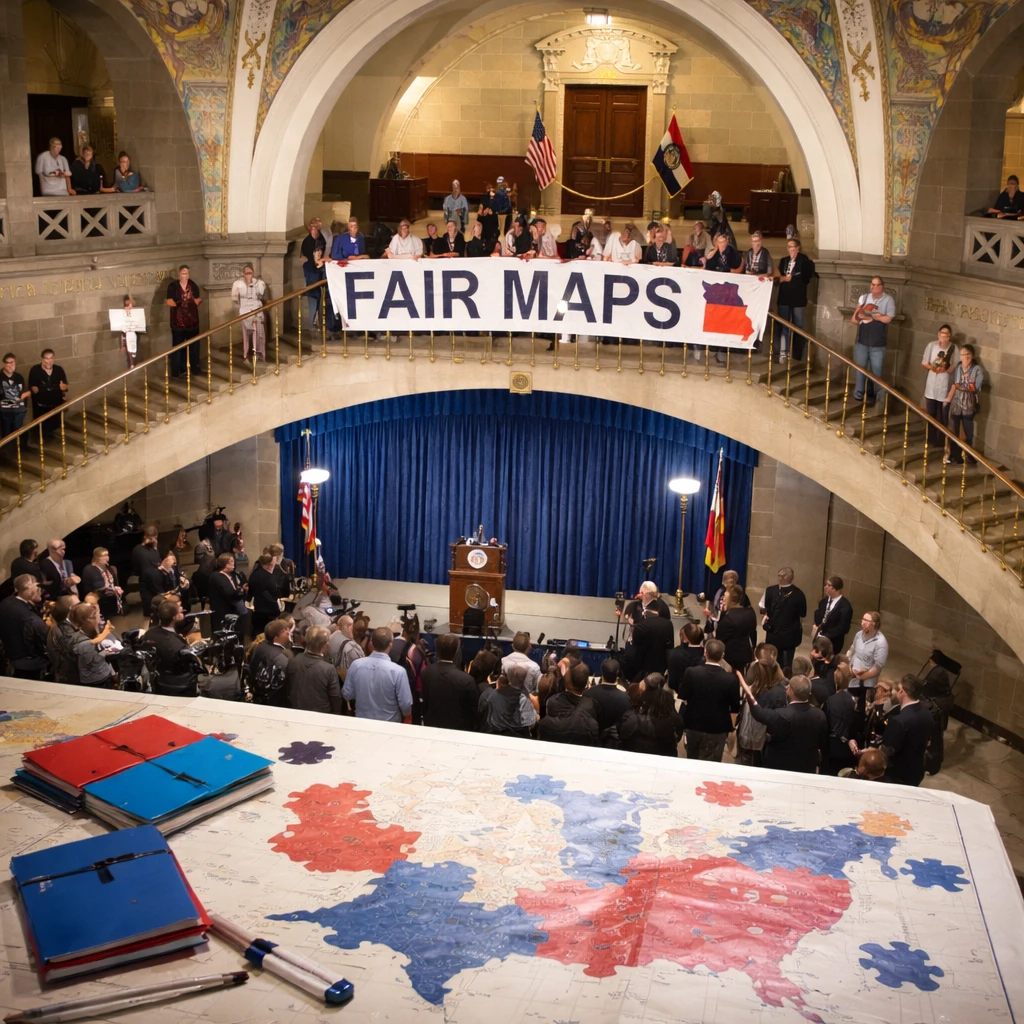

With the midterm elections on the horizon, a number of states are witnessing intensified efforts by both major political parties to reshape congressional districts in their favor. This mid-decade redistricting push deviates from the typical post-census schedule and is aimed at giving their respective candidates a competitive edge in the upcoming electoral contests.
These strategic initiatives gained momentum last summer when former President Donald Trump publicly called on Republicans in Texas to undertake a redrawing of the state’s congressional districts that would enhance the party’s electoral prospects. Responding to this political maneuver, Democrats initiated their own efforts to modify district boundaries within California, seeking to bolster their candidates' chances.
Following the initial moves by Texas and California, several additional states have begun revisiting their congressional district maps. While the specifics of each state's plans vary, the common thread involves leveraging redistricting as a tactical tool to influence voter distribution and ultimately secure advantageous outcomes in the House races.
These actions reflect an aggressive approach to shaping the political landscape ahead of the 2024 midterm elections, highlighting the importance both parties place on maximizing their representation in the U.S. House of Representatives. The competition surrounding district map redrawing illustrates the broader struggle for control of Congress, with states serving as critical battlegrounds where electoral dynamics are actively being engineered.
These strategic initiatives gained momentum last summer when former President Donald Trump publicly called on Republicans in Texas to undertake a redrawing of the state’s congressional districts that would enhance the party’s electoral prospects. Responding to this political maneuver, Democrats initiated their own efforts to modify district boundaries within California, seeking to bolster their candidates' chances.
Following the initial moves by Texas and California, several additional states have begun revisiting their congressional district maps. While the specifics of each state's plans vary, the common thread involves leveraging redistricting as a tactical tool to influence voter distribution and ultimately secure advantageous outcomes in the House races.
These actions reflect an aggressive approach to shaping the political landscape ahead of the 2024 midterm elections, highlighting the importance both parties place on maximizing their representation in the U.S. House of Representatives. The competition surrounding district map redrawing illustrates the broader struggle for control of Congress, with states serving as critical battlegrounds where electoral dynamics are actively being engineered.