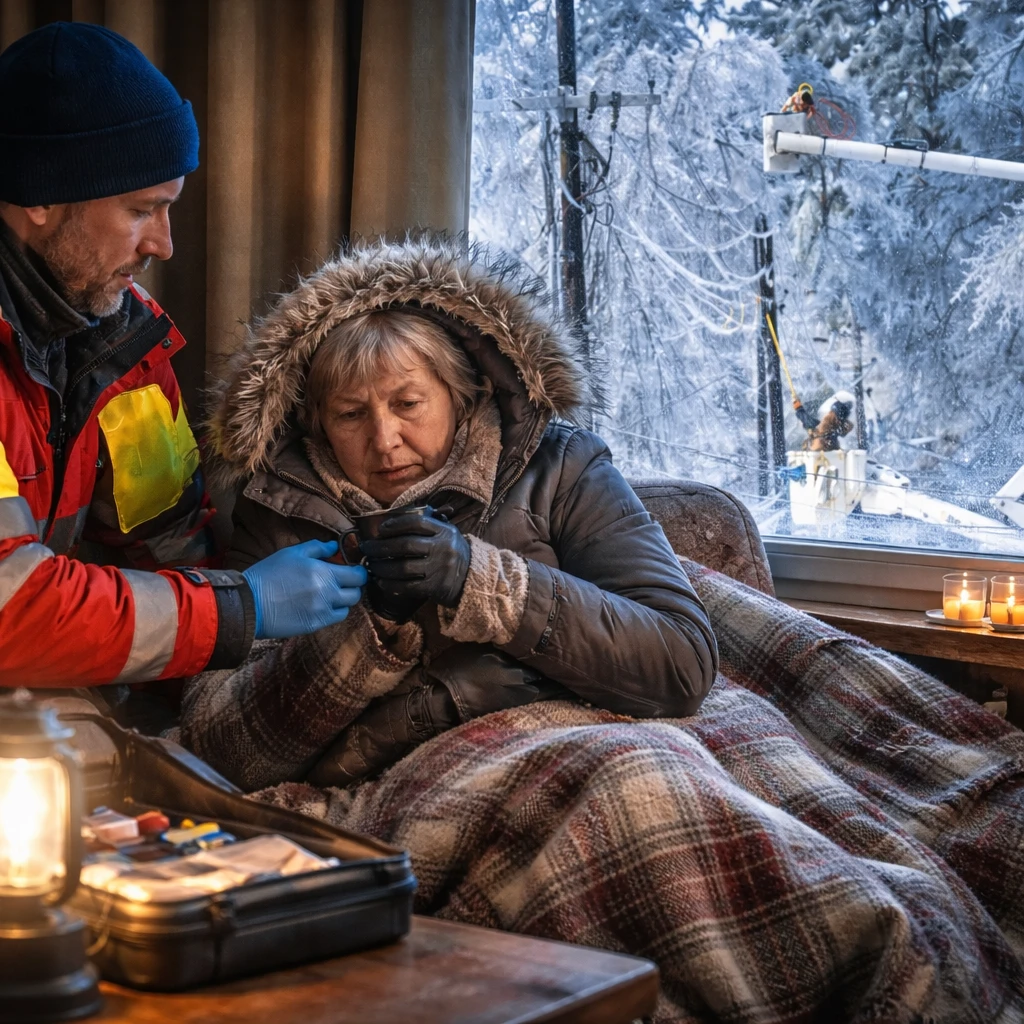

As temperatures plunge and power failures extend, the risk to human health rises sharply. Even moderate winter cold can strain the body, especially when heating systems are offline for sustained periods. Emergency medicine specialists emphasize vigilance in recognizing warning signs of hypothermia and taking preventive measures to stay warm and safe.
Hypothermia is medically identified through body temperature levels and corresponding symptoms. Mild hypothermia, characterized by core temperatures between 89.6 and 95 degrees Fahrenheit (32 to 35 degrees Celsius), presents with shivering, fatigue, drowsiness, a slow or weak pulse, and clumsiness. Should the body temperature drop further into the moderate hypothermia range of 82.4 to 89.6 degrees Fahrenheit (28 to 32 degrees Celsius), symptoms worsen to include slowed speech, a reduced heart rate, hallucinations, and diminished shivering.
If temperatures fall below 82.4 degrees Fahrenheit (28 degrees Celsius), vital bodily functions begin to fail, resulting in muscle rigidity, loss of reflexes, fluid buildup in the lungs, coma, and in extreme cases, death. Experts advise immediate warming intervention once prolonged shivering occurs, and emergency services should be contacted if severe symptoms like confusion manifest.
Given that prolonged exposure to cold, even in the 30 to 40 degree Fahrenheit (minus-1 to 4 Celsius) range, can impose significant strain, patients and caregivers must remain alert. The physical effort of shivering, a natural defense mechanism against cold, can ultimately exhaust the body and place additional burden on cardiovascular function. This is particularly concerning for elderly individuals and those with preexisting health conditions, who are more susceptible to complications.
Often, individuals underestimate their vulnerability during sustained cold spells, relying on insufficient insulation like sweatshirts and sweatpants. This false sense of security can lead to gradual body temperature decline without recognition.
Maintaining hydration is critical, though dehydration is less noticeable during winter and can be exacerbated by indoor heaters. Drinking water and warm nonalcoholic fluids supports bodily heat retention. Importantly, alcohol consumption should be avoided as it reduces the body's ability to respond to cold and may create misleading sensations of warmth while impairing judgment.
Appropriate clothing is fundamental in cold conditions. Health authorities recommend wearing multiple layers of warm, loose-fitting, and lightweight garments that can be adjusted as needed. Covering the face with scarves helps shield the lungs from cold air. Particular attention should be paid to extremities such as the head, hands, and feet, where heat loss is greatest. Contrary to certain home remedies, wearing non-breathable gloves like latex beneath winter gloves is discouraged due to moisture trapping, which can worsen cold effects.
Some popular internet suggestions, such as placing cayenne pepper on the skin to induce warmth, pose risks by irritating tissues and potentially masking frostbite indicators. Maintaining dryness is paramount since evaporative heat loss significantly contributes to body cooling. Dry socks are especially vital in preserving warmth.
In the absence of central power, consolidating in smaller spaces within a residence can help retain heat. Strategies include closing off multiple rooms and using a single safe heating source. Some recommend creating a microenvironment with indoor tents or sleeping bags to trap heat more effectively. However, caution must be exercised to prevent fire hazards and avoid the use of combustion-based heaters like gas stoves or ovens inside, as these produce dangerous carbon monoxide gas. Symptoms such as headaches or nausea in household members warrant immediate evacuation outdoors and medical attention.
Lastly, checking on neighbors, especially young children, seniors, or individuals with chronic ailments such as diabetes and hypertension, is crucial. Community awareness and proactive outreach can identify those at risk who might not seek help independently.