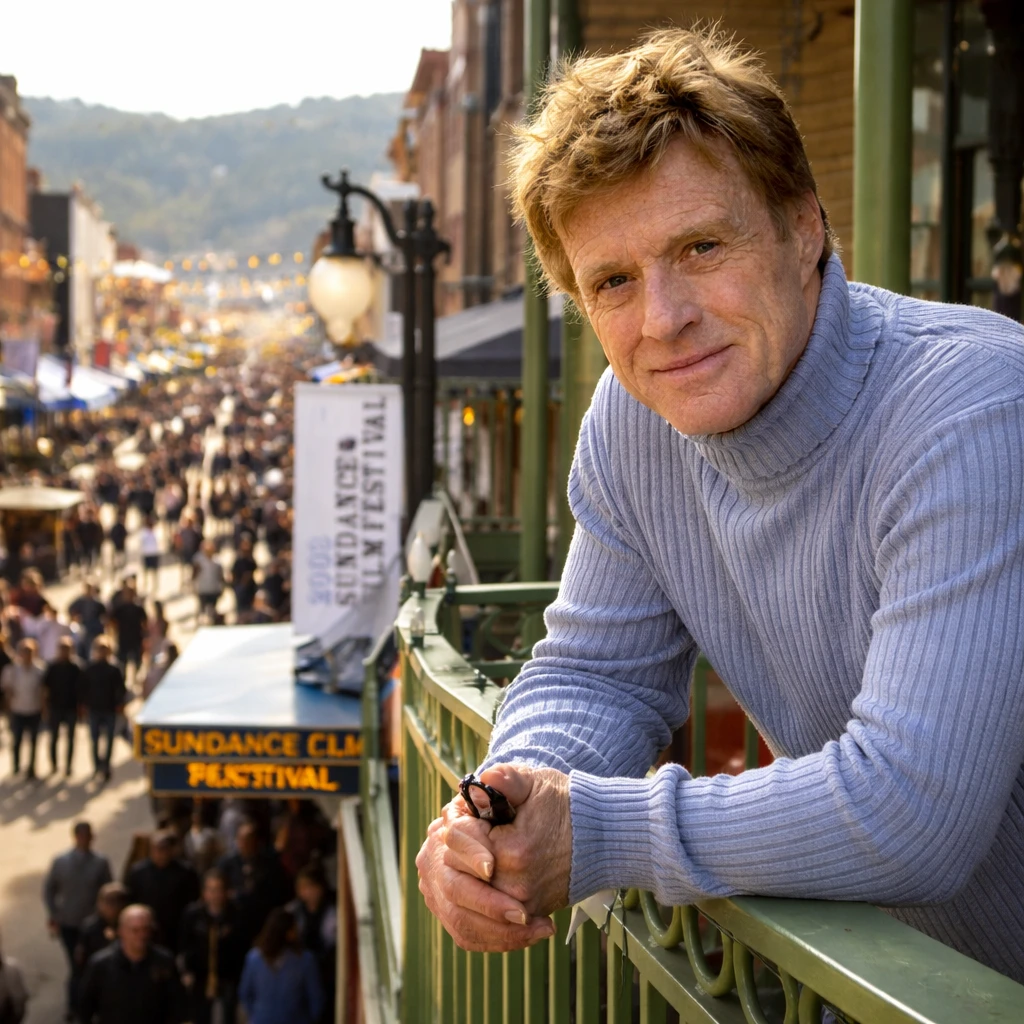
The 2026 Sundance Film Festival, held in Park City, Utah, gathered filmmakers and actors whose careers have been shaped substantially by Robert Redford and the Sundance Institute, the organization he founded. This star-studded gala, occurring after Redford’s passing, served as a tribute to his influential role as a foundational figure in independent cinema.
As this edition marks the festival’s final installment in Utah prior to its relocation to Boulder, Colorado, it also acts as an homage to the creative refuge that Redford established in the state decades ago. Although the festival itself will change venues, a significant aspect of Redford’s legacy — the Sundance Institute’s lab programs designed to develop new writers and directors — will remain in Utah and continue nurturing emerging talent.
Amy Redford, Robert Redford’s daughter, reflected on his vision, emphasizing the institute’s nurturing essence: "When my dad could have created an empire, he created a nest," she explained. The Sundance Institute was created to sustain and empower artists, providing a supportive environment before ultimately encouraging their artistic independence. She added that her father’s greatest joy was to collaborate with new filmmakers in the tranquil setting of the Sundance Mountain Resort, situated roughly 34 miles south of Park City.
Supporting Emerging Talent Through Sundance Labs
Established in 1981, the institute’s lab programs invite promising storytellers to a rustic resort in northern Utah, offering them focused mentorship and respite from the intense pace of Hollywood’s production landscape. The impact of these programs is evident, as three of the five Academy Award nominees for Best Director this year — Paul Thomas Anderson, Chloé Zhao, and Ryan Coogler — are alumni of these labs.
Chloé Zhao, whose film "Hamnet" recently received eight Oscar nominations, attributes her career breakthrough to the screenwriting lab she participated in back in 2012. Under the guidance of Redford himself and program director Michelle Satter, Zhao cultivated confidence in her own artistic vision and gained access to a community of fellow creatives that proved invaluable.
Other former participants, such as director Nia DaCosta, reminisced about Redford’s personal and approachable nature, recalling moments when he would ride his motorcycle along wooded trails and engage them personally in conversations about their projects. He encouraged familiarity, asking to be called simply “Bob.”
DaCosta expressed her appreciation, recounting how witnessing Redford walking alongside other directors in the lab made clear the profound pride and dedication he held for the institute and its participants. "It was evident in that moment how deeply he cared about this place and everyone involved," she said.
Mentorship that Shaped Acting Careers
Actor Ethan Hawke, a regular attendee of Sundance, recounted his initial audition experience for the 1992 drama "A River Runs Through It," where Redford played a direct role. Despite denying Hawke the part due to his youth, Redford offered encouragement and foresaw a promising career ahead. Hawke regarded Redford as an early champion and a significant mentor in his own professional journey, vowing during the gala to preserve and expand the creative spark Redford ignited with the festival.
Honoring Imagination and Artistic Freedom
Tributes to Redford were woven through the festival, including a video homage displayed before screenings to earn enthusiastic applause. Volunteers expressed gratitude wearing pins with the message “Thank you Bob!” Fans and industry figures alike celebrated Redford’s pioneering work, which will be further recognized with a screening of his 1969 independent film "Downhill Racer."
Filmmaker Ava DuVernay shared her own Sundance experience, which began in a publicist role before she gained prominence with her 2012 film "Middle of Nowhere." As a former trustee of the Sundance Institute, DuVernay developed a close relationship with Redford, though she noted always feeling reverence when addressing him. She praised Redford for not only establishing a film festival but modeling an ethos that affirms the importance of artists and the protection of imagination. DuVernay encouraged new artists to continue entering through the door Redford opened and to consider building upon his foundation.
Concluding her remarks, DuVernay offered a heartfelt acknowledgment, expressing gratitude for Redford’s enduring influence.