
December invites a multitude of choices, from gifts to gatherings, but one decision often overlooked is the final fate of your Christmas tree once festivities end. Annually, approximately 10 million live Christmas trees are discarded in landfills, according to the Nature Conservancy. In these landfill conditions, trees undergo anaerobic decomposition, a slow breakdown process deprived of oxygen, contrasting with the natural aerobic decomposition that occurs on forest floors.
This oxygen-limited decay is notably prolonged, potentially lasting years, and results in the emission of greenhouse gases such as methane and carbon dioxide. Furthermore, the process carries the risk of groundwater contamination. For those seeking to mitigate environmental impact, several alternatives exist that not only prevent ecological harm but also enhance garden health. The initial step involves detaching any decorations, tinsel, or artificial snow from the tree.
Utilizing Tree Components for Firewood and Mulch
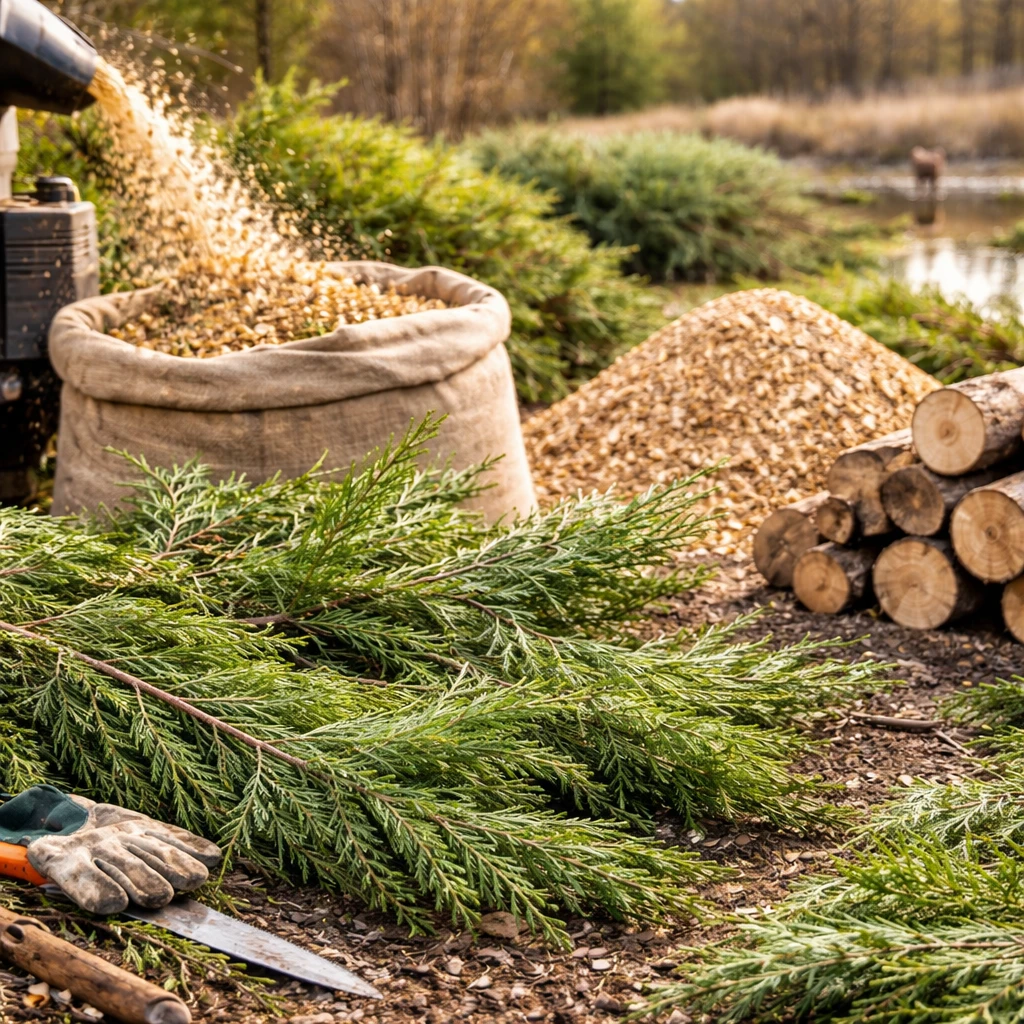
A practical approach involves repurposing tree parts for gardening and heating needs. After removing ornaments, branches can be individually clipped using garden pruners and collected into bags to transport outdoors. These branches serve as natural autumnal mulch, insulating soil and safeguarding bulbs and perennial roots against freeze-thaw cycles common in winter.
The trunk, once separated from the branches, can be sectioned and left to cure outdoors throughout the winter months. After approximately six months of drying, the seasoned wood becomes suitable for use as firewood in a fire pit, offering a sustainable heating source. In spring, the dried branches can be trimmed into smaller segments to decompose further within garden beds without impeding new growth. Contrary to popular belief, pine needles do not significantly acidify soil, thus posing minimal risk to plant health.
This method provides free mulch and fuel, while minimizing indoor needle mess during tree removal, striking an effective balance between convenience and environmental responsibility.
Creating Habitats for Wildlife
Christmas trees can also be repurposed to support local fauna. For example, submerging an entire tree in a sizable pond creates shelter and refuge for fish populations. Alternatively, positioning the tree in its stand outdoors allows nonmigratory birds to seek shelter within its branches. Providing bird feeders on the tree can attract additional avian visitors.
When standing the tree upright outside is unfeasible, laying it prone in a secluded area of the yard can still provide valuable cover for birds and other wildlife species during colder months.
Community-Based Recycling Programs
Many municipalities organize post-holiday Christmas tree collection initiatives, repurposing trees for environmental restoration projects like sand dune reinforcement or erosion control. Some local governments process collected trees into mulch, distributing it to residents at no cost for gardening or landscaping uses.
Residents interested in these services should seek information from local government offices or online resources to discover available programs.
Additionally, trees may be donated to nearby farms where they can supplement livestock feed, contributing further to resource recycling within the community.
This compilation of tree disposal options presents efficient avenues to reduce landfill waste, decrease greenhouse gas emissions, benefit local ecosystems, and enhance home gardening resources.