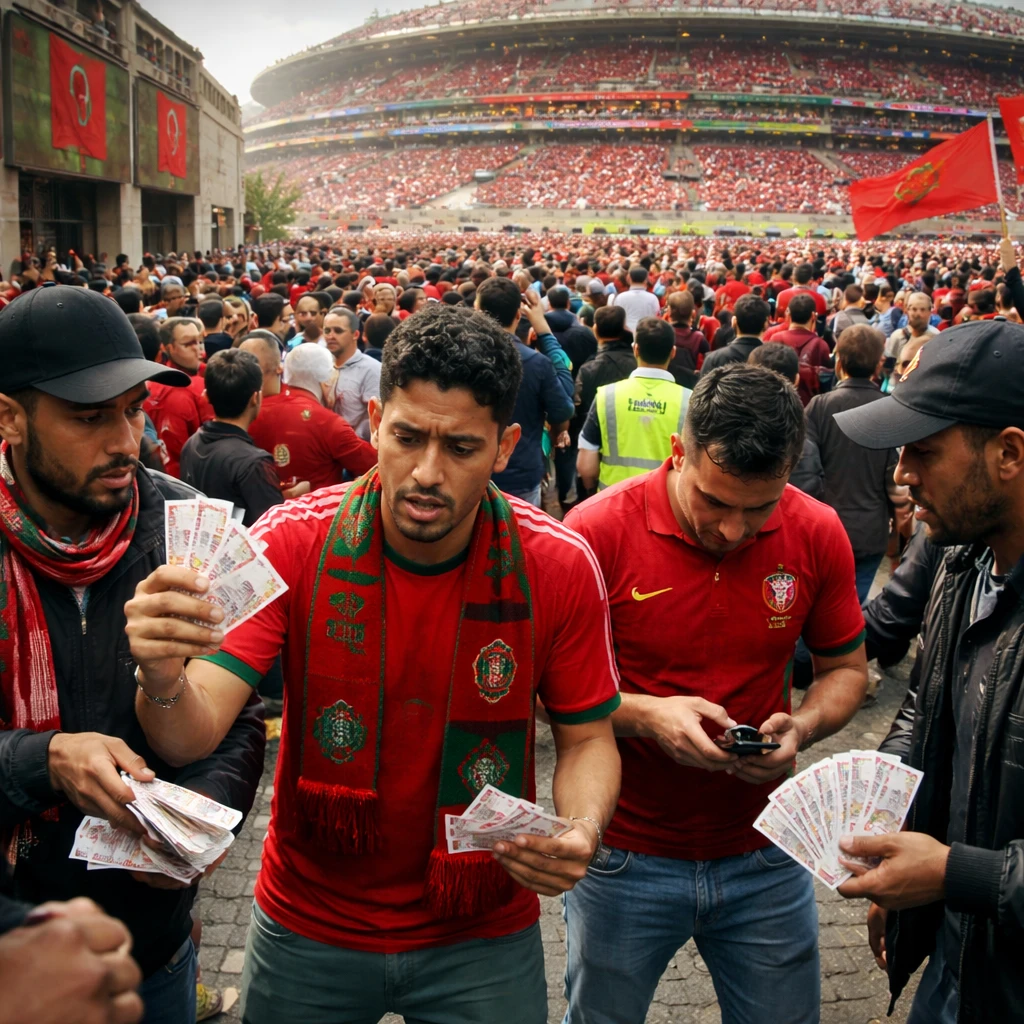

In Rabat, Morocco, the Africa Cup of Nations has presented an unexpected challenge for local soccer enthusiasts: obtaining tickets for matches that are officially sold out. The host nation, along with neighboring Algeria, saw their group-stage tickets completely sell out, yet attendance figures reveal numerous empty seats, notably during Morocco's game against Mali at the Prince Moulay Abdellah Stadium, which nearly holds 70,000 spectators.
Fans like Amin Mazraoui reported early attempts to secure tickets through the official online portal, only to find the platform overwhelmed and all seats taken almost instantly. He was among many left waiting outside the stadium on match day without access inside. Similarly, another fan, Hicham, faced repeated sell-outs when trying to purchase tickets and ultimately chose to watch the game at home.
Official attendance for the host nation's recent match was recorded at 63,844, surpassing the crowd at the tournament opener in the same stadium. Despite this, the visible empty seats have raised concerns among fans and observers. Scalpers have been implicated in exacerbating the scarcity by acquiring large quantities of tickets for high-demand matches via multiple simultaneous connections, reportedly up to 15 computers at once, allowing them to resell tickets at prices as steep as ten times the face value. For example, tickets originally priced at 50 euros (approximately $59) were being offered for around 500 euros ($590) on the secondary market.
The bidding wars and inflated resale costs have frustrated supporters attempting to attend games at reasonable prices. However, measures have been implemented to regulate stadium access, including the requirement for all attendees, including journalists, to register through a local identification app named Yalla. These protocols aim to reduce unauthorized ticket transfers by scalpers, although some obstacles remain.
Among those who managed to purchase tickets through official means, Khalid, a fan who preferred to provide only his first name, paid 100 Moroccan dirhams (approximately $11), reflecting significantly lower entry costs compared to European events and forthcoming tournaments like the 2026 World Cup.
Attendance figures for other matches have been mixed. For instance, only 16,115 spectators showed up for Algeria's contest against Sudan at the Moulay El Hassan Stadium, a venue with a 22,000-seat capacity that had been sold out in advance. After reports circulated that fans might gain free entry, some congregated outside and forced entry attempts during the game. Contrastingly, other stadiums reported instances where gates were intentionally opened once matches started to boost attendance, a practice not extended to Morocco's games according to local fans.
Additional factors such as weather conditions have also affected attendance, with heavy rainfall deterring some spectators. For example, the Grand Stade de Tanger in Tangier, with a 68,000 capacity, recorded a relatively low attendance of 18,500 for a match between Senegal and Botswana, leading to a sparsely filled stadium despite the high number of attendees officially reported.
The Confederation of African Football, the organizing body responsible for the tournament's execution, has not provided comments regarding these attendance discrepancies or ticketing challenges.