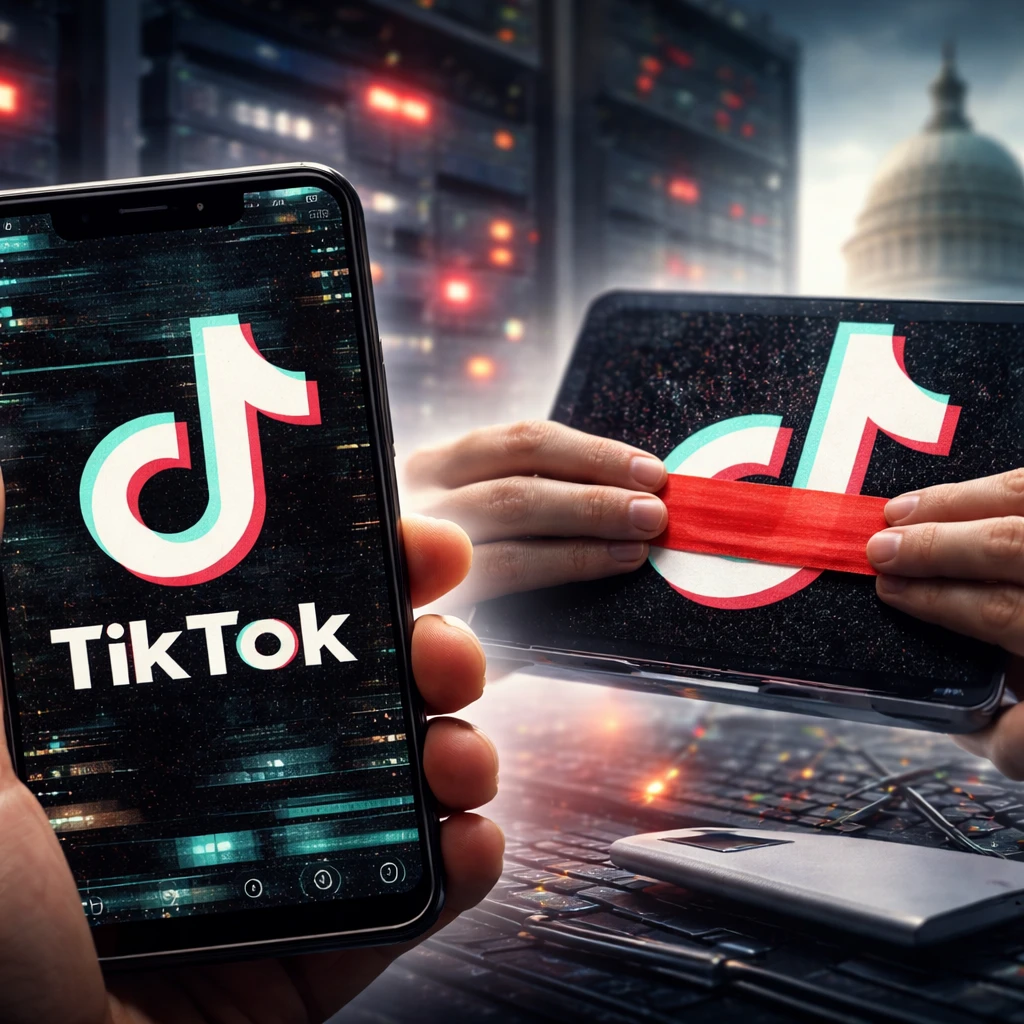

TikTok is currently dealing with a variety of challenges following the completion of its new ownership framework in the United States last week. Users began reporting widespread technical difficulties, including instances where video creators observed their content registered zero views despite actual engagement. These glitches were caused by a substantial infrastructure problem that the company linked to a power outage at a U.S. data center operated in partnership with TikTok.
The knock-on effects of this outage included slower response times within the app and occurrences of timeouts when users attempted to upload new videos. By Tuesday, TikTok communicated significant strides in restoring functionalities, although some intermittent performance issues persisted for end users.
Alongside these technical woes, the platform has been confronted with numerous user complaints alleging content censorship. Specific concerns were raised regarding the suppression of videos critical of figures and entities such as former President Donald Trump, the U.S. Immigration and Customs Enforcement (ICE), and mentions of Jeffrey Epstein. These allegations have drawn attention from California’s governor, Gavin Newsom, who announced via the social media site X that state authorities are initiating an investigation into TikTok’s practices to determine if they violate state laws by selectively censoring political content.
Jamie Favazza, representing TikTok’s newly formed American joint venture, disputed the censor claims, clarifying that the complications experienced by users are solely linked to acknowledged technical problems. Favazza emphasized the company’s transparency regarding these issues and refuted suggestions that there are hidden motives behind the platform’s current operational disruptions.
The intersection of these technical setbacks and the company's altered ownership—some of whose members have previously been associated with Donald Trump—has led to a backlash among segments of TikTok's user base. Market analytics firm Sensor Tower reported a 130% increase in the average daily number of app uninstalls between January 22 and January 26 compared to the prior 30-day period. Despite this surge in removals, TikTok’s daily active user base still rose by 2%, indicating that uninstallations did not significantly affect overall usage statistics. Moreover, while TikTok's user growth in the U.S. continues to trail behind competitors like YouTube and Instagram, the platform still retains a higher average user engagement time than these rivals.
Minda Smiley, a social media analyst at the research organization Emarketer, pointed out that a shift in ownership can naturally trigger extensive operational changes, including infrastructure upgrades that may result in temporary technical issues. Smiley underscored the potential long-term implications if difficulties persist, particularly regarding video uploads and ongoing censorship perceptions. Such factors could affect user retention adversely.
According to Smiley, the perception of content suppression or moderation difficulties can be as impactful as their factual accuracy when it comes to user sentiment. She noted, “Optics and perceptions are really important in situations like this.” If users believe that certain content is being restricted or that uploading is hindered, even without definitive proof, they might opt to disengage from the platform or declare intentions to discontinue use.
However, Smiley also recognized a divergence between stated intentions and actual user behavior, recalling the fleeting migration of TikTok users to RedNote, a Chinese social media app, amid fears of a TikTok ban just a year prior – a movement which dissipated rapidly and saw little sustained engagement. Despite this, she cautioned that ongoing changes in content algorithms or moderation policies would represent a challenge for TikTok moving forward.