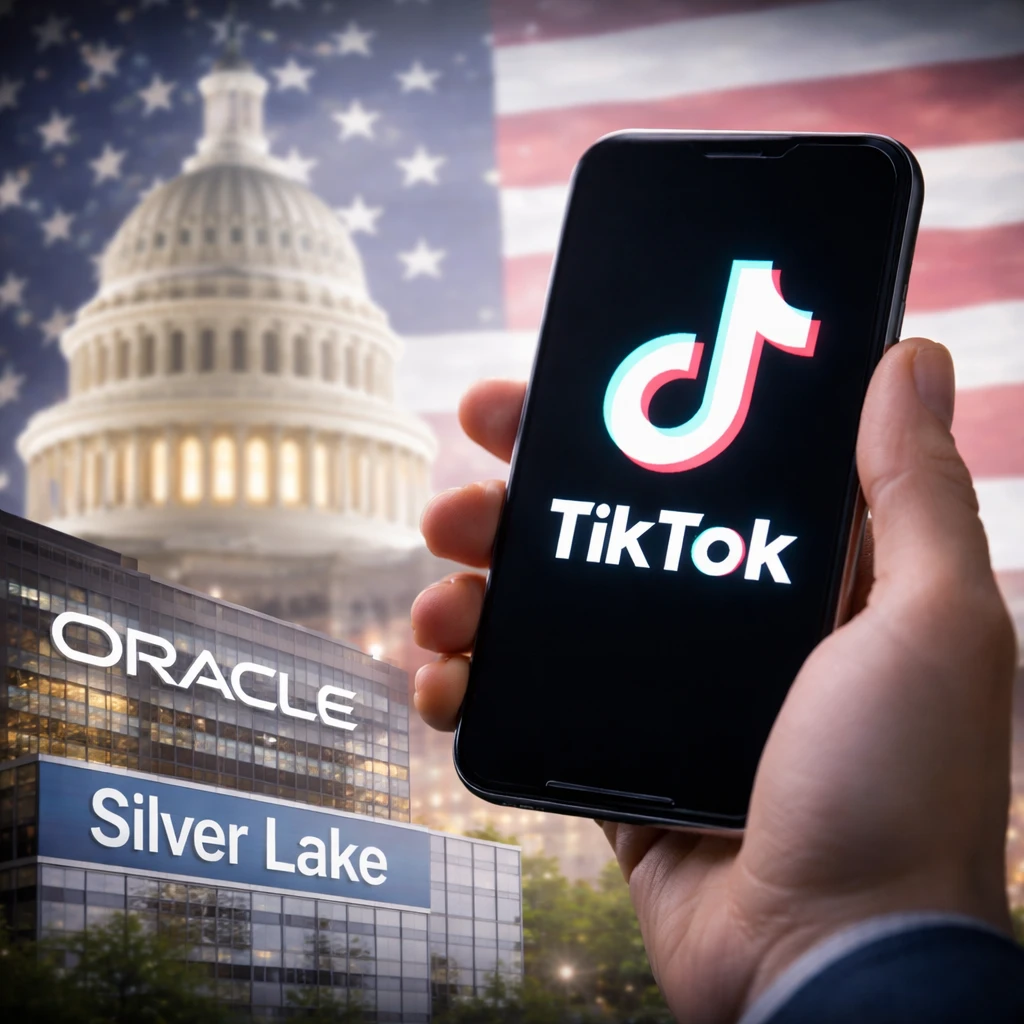

TikTok has reached a pivotal agreement allowing its continued operation in the United States, overcoming a period marked by regulatory uncertainty. The new arrangement creates a TikTok U.S. joint venture backed by significant investment from Oracle, Silver Lake, and Emirati firm MGX among others. This development comes after bipartisan Congressional legislation mandated that TikTok cease operations in the country by January 2025 unless ownership shifted away from China-based ByteDance.
Initially, the platform faced an imminent shutdown following the law’s enactment, but a sequence of executive actions, beginning with former President Donald Trump’s order, delayed enforcement to permit negotiation of a sale agreement. These extensions persisted until the finalized deal was announced, allowing TikTok to maintain its service uninterrupted for American users.
Users in the United States will continue accessing the app through the familiar interface, as TikTok has confirmed there are no plans to offer a new or separate application for the U.S. market. Yet, the underlying content recommendation system will see modification: the current algorithm will be licensed from ByteDance but subsequently retrained using U.S. user data. This retraining aims to localize feed content reflecting American preferences and trends, though specific alterations and their impact on individual user experiences are not fully disclosed.
Experts note that changes to social media algorithms can risk alienating audiences if they affect content relevance or engagement negatively. TikTok’s own statements suggest U.S.-based creators will remain visible internationally, and businesses will retain access to global audiences, but the mechanics of interoperability with ByteDance platforms worldwide remain unclear. According to analyst Kelsey Chickering from Forrester, the shift toward a U.S.-centric content feed may influence user engagement and the platform’s cultural influence, posing a question of whether this focus will enhance or diminish overall vibrancy.
Updated Terms of Service accompany the new structure, maintaining content ownership with users while granting TikTok usage rights to operate and enhance the platform within user-set parameters. Special provisions include a restricted experience for users under thirteen years old and requirements for users to label artificial intelligence-generated content accordingly.
A noteworthy aspect of the new ownership is Larry Ellison’s involvement, co-founder of Oracle and a prominent figure with longstanding connections to former President Trump’s administration. Ellison’s background raises speculation among observers regarding potential influences on content moderation policies, especially given concerns about political biases and misinformation. Analysts caution that perceived partiality or inadequate content governance could lead users to migrate to alternative platforms, recalling similar patterns observed in other social media transformations.
Despite the ownership changes, the agreement’s capacity to fully resolve congressional security apprehensions is uncertain. The 2024 law aims to sever ByteDance’s influence, prohibiting cooperation relating to operation of content recommendation algorithms between ByteDance and U.S. owners. However, the arrangement's allowance for ByteDance to license its algorithm to the new U.S. entity leaves open questions about the independence of data handling and algorithmic control.
Reactions among TikTok users and business creators underscore mixed sentiments. Skip Chapman, co-owner of KAFX Body, which utilizes TikTok heavily for product sales, expresses relief at the platform’s continued availability while cautiously optimistic about sustained focus on e-commerce features. Conversely, Vanessa Barreat, proprietor of La Vecindad restaurant, emphasizes a pragmatic “wait-and-see” approach, recognizing TikTok’s role in elevating previously underrepresented voices despite potential uncertainty surrounding the new ownership structure.