
Tragic Spike in Alpine Backcountry Fatalities Amid Hazardous Winter Conditions
February 9, 2026
News & Politics

Tragic Spike in Alpine Backcountry Fatalities Amid Hazardous Winter Conditions

Unstable snowpacks contribute to a dozen avalanche-related deaths as Winter Olympics proceed safely in managed resorts

Summary

A grim record of 13 fatalities among backcountry skiers, climbers, and hikers has been confirmed across the Italian Alps over the past week. The majority of deaths, accounting for 10 individuals, resulted from avalanches triggered by precariously unstable snow layers. These incidents have occurred away from the monitored and groomed Olympic venues, despite ongoing Winter Games competitions in nearby regions. Rescue authorities emphasize that designated ski resorts remain secure due to rigorous safety protocols and continuous monitoring, contrasting with the heightened risks faced outside these zones where snowpack instability poses significant dangers.

Key Points

An unprecedented 13 individuals have died in backcountry winter sports accidents across the Italian Alps in one week, with avalanches causing the majority of fatalities.
Unstable snowpack conditions caused by recent storms and wind have elevated the risk of avalanches on ungroomed slopes along the Alpine range.
Official statements confirm that Olympic venues remain safe and are under constant monitoring, highlighting a safety divide between managed resorts and backcountry areas.

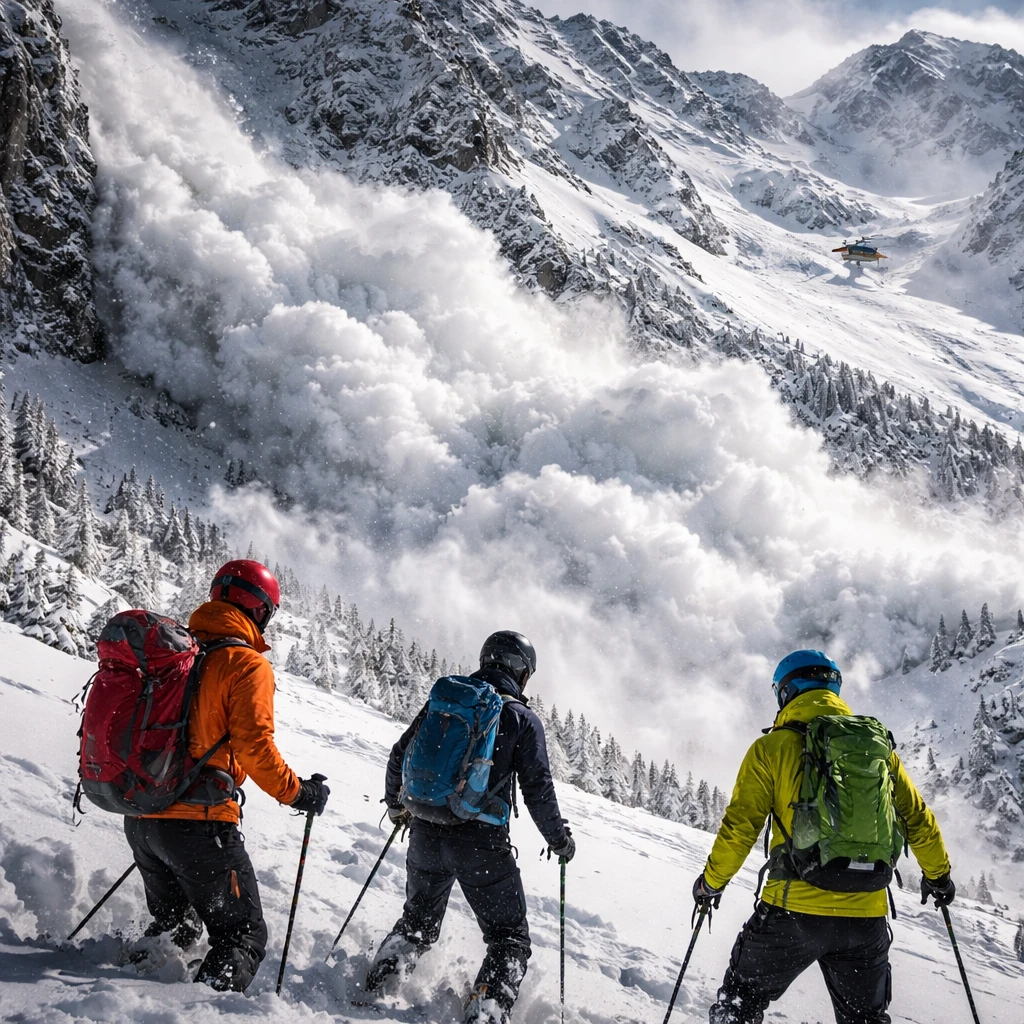
Over the span of the last week, Italian Alpine rescue teams have reported an unprecedented total of 13 fatalities involving backcountry adventure enthusiasts, including skiers, climbers, and hikers. Ten of these deaths occurred in avalanches linked to an unusually fragile snow structure caused by recent meteorological events.

Heavy snowfall from recent storms combined with wind-driven snow accumulation has formed unstable layers within the snowpack spanning the extensive Alpine arc along the borders with France, Switzerland, and Austria. Federico Catania, spokesperson for Italy's Alpine Rescue Corps, explained that even the passage of an individual skier or the added weight of snow can be sufficient to set off avalanches under these precarious conditions.

The avalanche incidents took place exclusively on ungroomed terrain, distant from the well-maintained, monitored areas hosting the 2026 Winter Olympics in Lombardy near the Swiss frontier and Cortina d’Ampezzo in Veneto, alongside cross-country skiing locations in Val di Fiemme, Trentino. Catania clarified that those engaged in skiing within managed resorts face no comparable risk, notably affirming the safety of Olympic venues where ongoing events are held.

The surge in backcountry accidents follows a series of snowfall events, prompting outdoor enthusiasts to take advantage of brief weather improvements to venture into the mountains. This increased activity has corresponded with a proportional rise in accidents and fatalities, officials noted.

Rescuers strongly advise those planning backcountry excursions to carefully observe avalanche bulletins and to postpone outings until snow conditions stabilize. The recent weekend was particularly fatal, with two avalanche deaths reported in Lombardy, three in Trentino, and one in the South Tyrol area. Notably, two separate mortal avalanches occurred in the vicinity of the Marmolada glacier. Additionally, two hikers lost their lives on Monte Grappa in Veneto and in the Marche region within the Apennine range, as well as an ice climber in Valle d’Aosta.

Alongside these tragic developments, the Alpine Rescue Corps conducted a helicopter emergency extraction of U.S. downhill alpine skier Lindsey Vonn after a crash during competition in Cortina d’Ampezzo, underscoring the readiness and responsiveness of the rescue teams in the area.

Risks
  • Continuing unstable snow conditions increase the risk of avalanches, posing dangers to backcountry recreationists and potentially affecting backcountry tourism and mountain service sectors.
  • The increased frequency of accidents may lead to heightened demand for mountain rescue services and emergency medical response resources during the winter season.
  • Public perception of safety risks on non-managed slopes could impact outdoor equipment sales and insurance underwriting in alpine regions.
Disclosure
The article summarizes the latest confirmed data and statements from Italian Alpine rescue authorities regarding fatalities, snow conditions, and safety measures during the ongoing Winter Olympics without any added speculation or unverified information.
Search Articles
Category
News & Politics

News & Politics

Related Articles
FDA Initiates Review of BHA Food Additive Safety

The U.S. Food and Drug Administration (FDA) has announced plans to conduct a comprehensive reassessm...

Partisan Divide Deepens as White House Excludes Democratic Governors from NGA Meeting

The longstanding bipartisan forum of the National Governors Association (NGA) is facing disruption a...

Using Fireplace Ashes in Your Garden: Benefits and Considerations

Amidst a notably cold winter leading to increased fireplace use, many homeowners are seeking sustain...