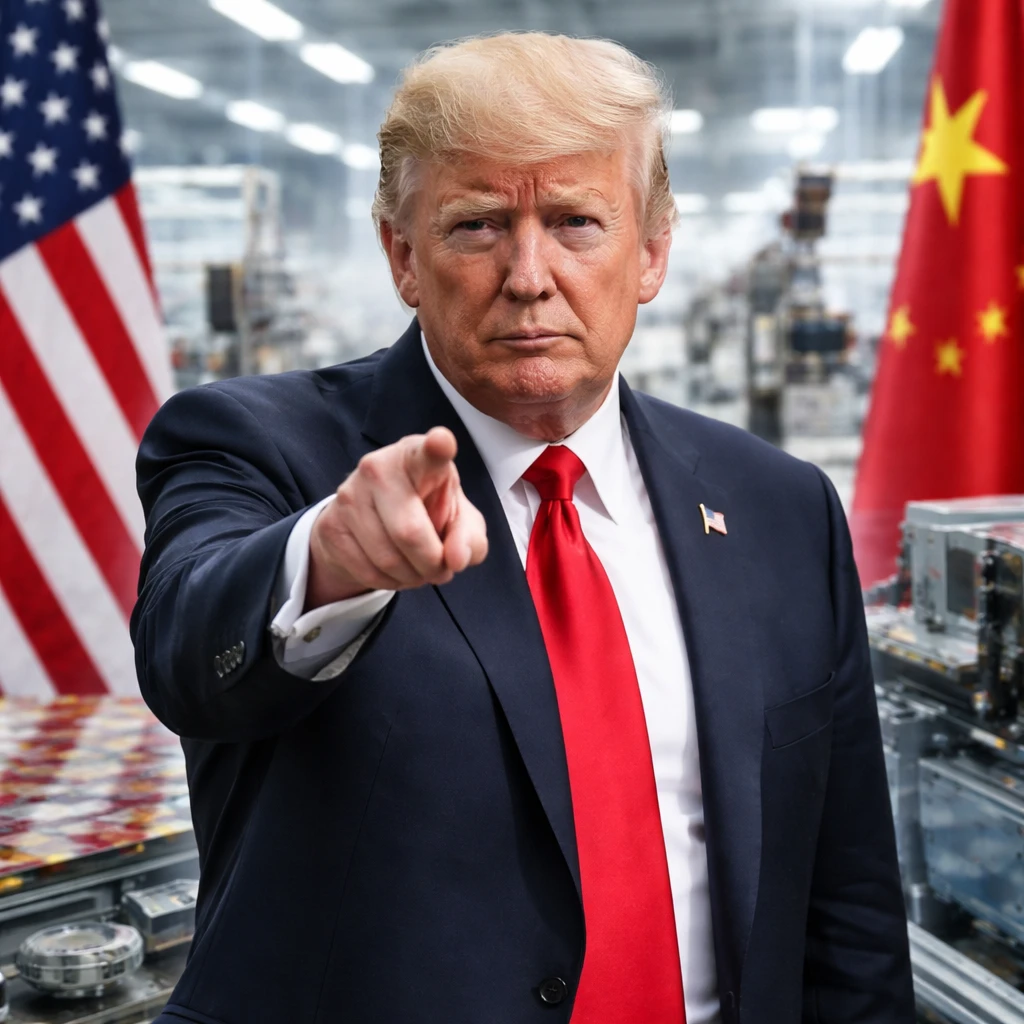
In a significant move underscoring ongoing tensions surrounding technology transfers and national security, former President Donald Trump on Friday mandated the unwinding of a recent $2.9 million transaction involving critical computer chip technology.
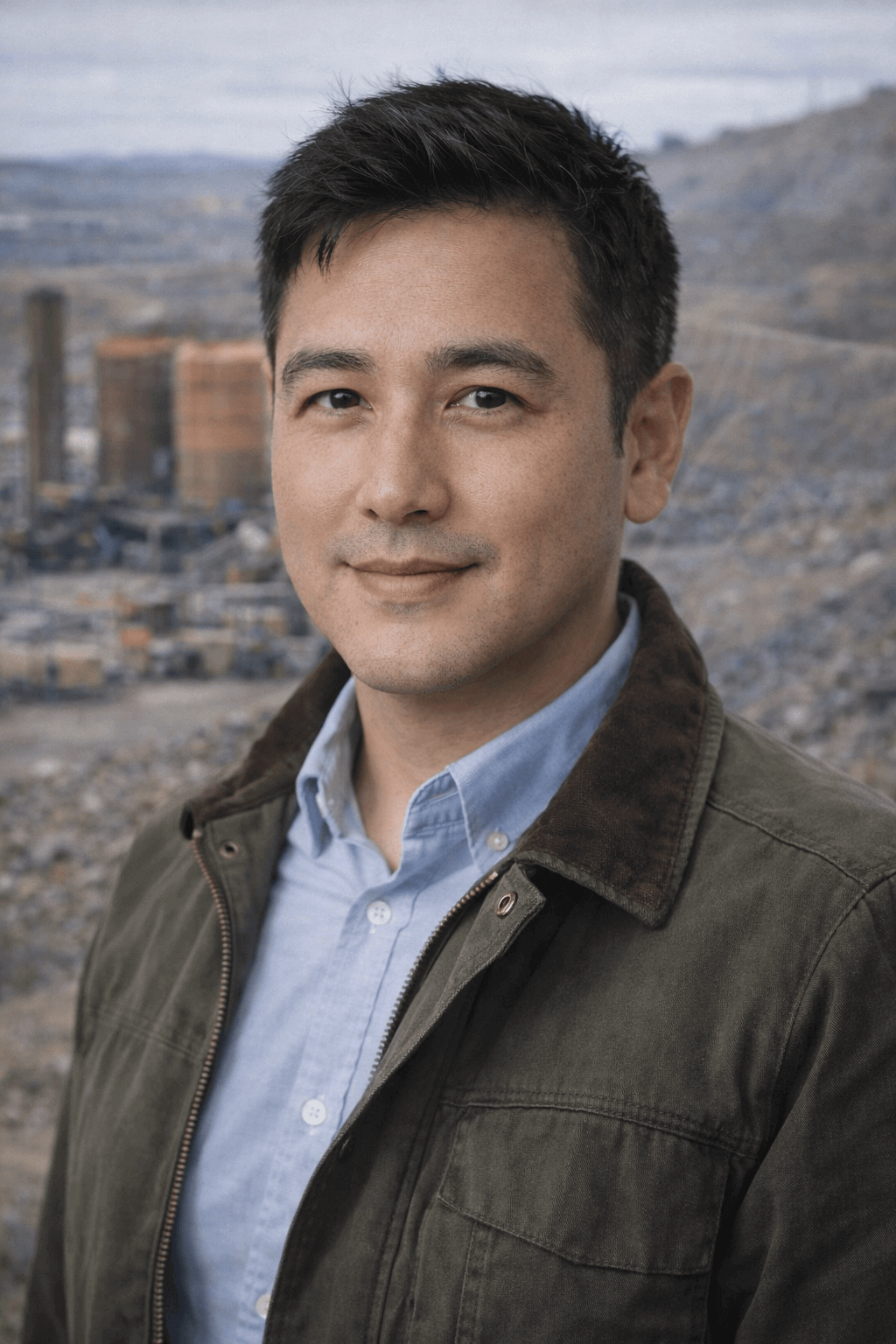
The deal in question saw aerospace and defense company Emcore Corporation divest its semiconductor chip and wafer fabrication businesses to HieFo Corporation, a firm reportedly founded by Dr. Genzao Zhang and Harry Moore. Though the acquisition price was modest at $2.92 million, the sum included the assumption of roughly $1 million in related liabilities.
This transfer of assets was initially completed under President Joe Biden’s administration in May 2024, attracting limited public or governmental attention at the time. However, Trump’s executive order now directs HieFo to relinquish control of the acquired technology within 180 days, citing “credible evidence” that the current ownership involves a citizen of the People’s Republic of China, which raises U.S. national security concerns.
Details from a post-acquisition press release indicated that the technology and operations obtained from Emcore are managed predominantly by the same group of employees located in Alhambra, California. Notably, Dr. Genzao Zhang transitioned from a vice president engineering role at Emcore to Chief Executive Officer of HieFo following the acquisition. Zhang has publicly committed to advancing the technology with applications in innovative sectors such as artificial intelligence.
The demand to divest highlights ongoing scrutiny of acquisitions linked to entities with foreign ties, especially in sensitive sectors like aerospace and defense semiconductors. Efforts to maintain control over critical technologies align with broader policy attempts to safeguard U.S. technological leadership.
Neither HieFo nor its representatives immediately responded to requests for comment regarding Trump’s directive.
At the time of the divestiture, Emcore operated as a publicly traded company but was subsequently privatized last year by Charlesbank Capital Partners, a private investment firm.