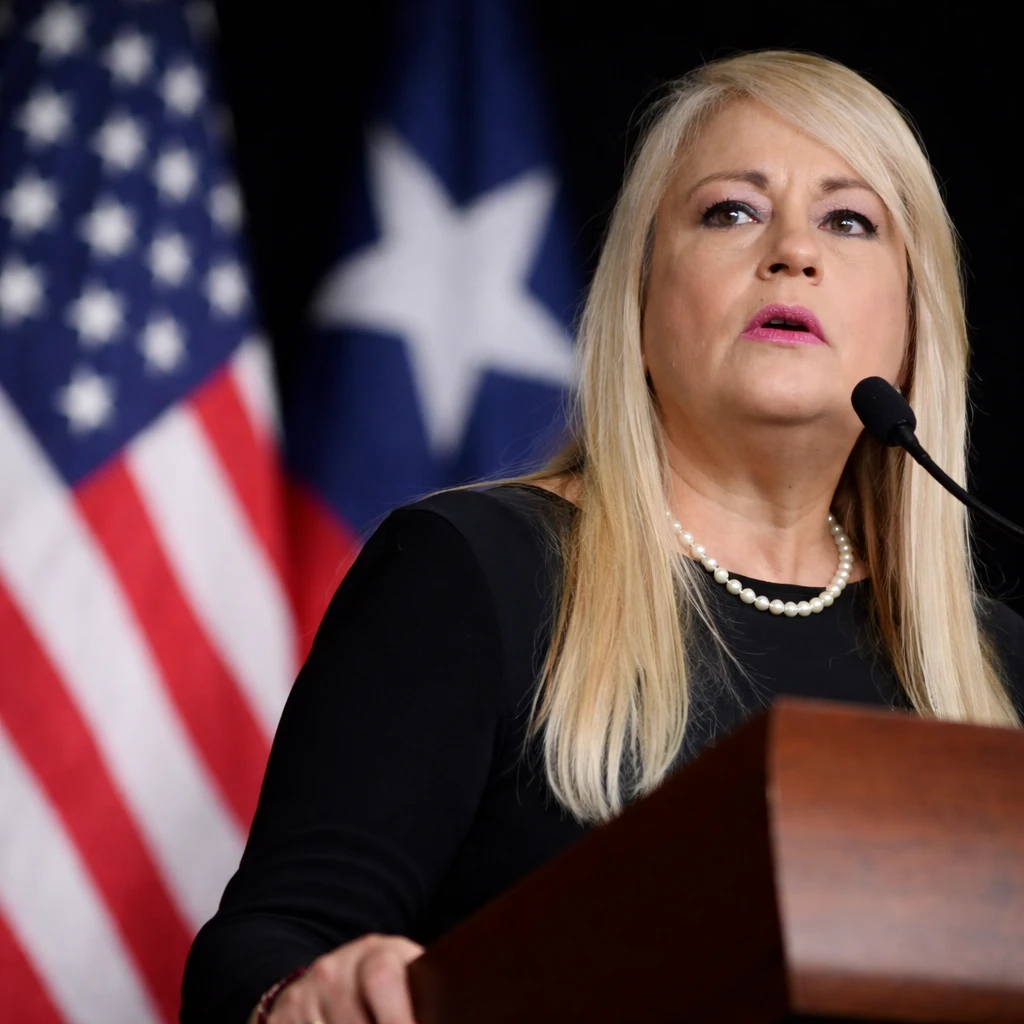

In a notable development, President Donald Trump intends to issue a pardon for Wanda Vázquez, the former governor of Puerto Rico, according to an official statement from the White House on Friday. Vázquez had pleaded guilty in August of the previous year to a federal campaign finance infraction, a case that also entangled a former FBI agent and a banker from Venezuela. Her sentencing hearing was scheduled for later this month.
The federal prosecutors handling the case had recommended a custodial sentence of one year. However, Vázquez's legal team opposed this, arguing that prosecutors had breached the terms of the guilty plea agreement made last year. This deal had seen the dismissal of earlier charges, including bribery and fraud allegations. The defense highlighted that Vázquez had admitted to accepting a pledge of campaign funding which was never actually delivered.
Requests for comment from Vázquez’s attorneys were not immediately answered. The White House official who confirmed the forthcoming pardon spoke on condition of anonymity, as they were not authorized to be named publicly. This official characterized the investigation into Vázquez, a Republican affiliated with the pro-statehood New Progressive Party, as politically motivated, noting that the probe began just ten days after she endorsed President Trump in 2020.
CBS News was the first to report on the pardon plans.
Opposition voices in Puerto Rico have strongly condemned the anticipated pardon. Pablo José Hernández, Puerto Rico’s Congressional representative and a member of the island’s principal opposition party, criticized the move. Hernández, a Democrat aligned with the Popular Democratic Party, stated, "Impunity protects and fosters corruption. The pardon undermines public integrity, shatters faith in justice, and offends those of us who believe in honest governance.”
Vázquez, an attorney by profession, holds the dubious distinction of being the first former Puerto Rican governor to plead guilty to a crime, specifically for accepting an illegal campaign contribution from a foreign national during her 2020 electoral campaign. She was detained in August 2022 and faced accusations of participating in a bribery scheme spanning December 2019 through June 2020 while occupying the governor’s office. At the time of her arrest, she maintained her innocence publicly.
According to authorities, the Puerto Rico Office of the Commissioner of Financial Institutions was conducting an investigation into suspicious undeclared transactions at an international bank owned by Venezuelan businessman Julio Martín Herrera Velutini. Officials alleged that Herrera, along with Mark Rossini, a former FBI agent who served as a consultant for Herrera, promised campaign support to Vázquez if she removed the sitting commissioner and appointed another preferred by Herrera.
The investigation claims that in February 2020, Vázquez demanded the resignation of the commissioner, purportedly after accepting the bribery offer, and subsequently appointed a new commissioner in May 2020 who had previously consulted for Herrera’s bank. Vázquez was the second woman to govern Puerto Rico and notably the first former governor to face criminal federal charges. She assumed office in August 2019, following the resignation of former Governor Ricardo Rosselló amid widespread protests. Her term lasted until 2021 after she was defeated in the New Progressive Party primaries by former Governor Pedro Pierluisi.
The ramifications of this clemency decision are multifaceted and underscore persistent challenges related to governance, legal accountability, and political dynamics within Puerto Rico. Meanwhile, the intertwining of financial institutions and political activities emphasized by this case may also impact regulatory scrutiny in the financial sector affiliated with overseas transactions.