
In a significant diplomatic development, the United States government announced it will cease support for more than 30 United Nations agencies and related global initiatives. The withdrawal, disclosed through White House social media channels and news reports, encompasses a range of organizations including the UN Population Fund and the framework treaty underpinning international climate negotiations.
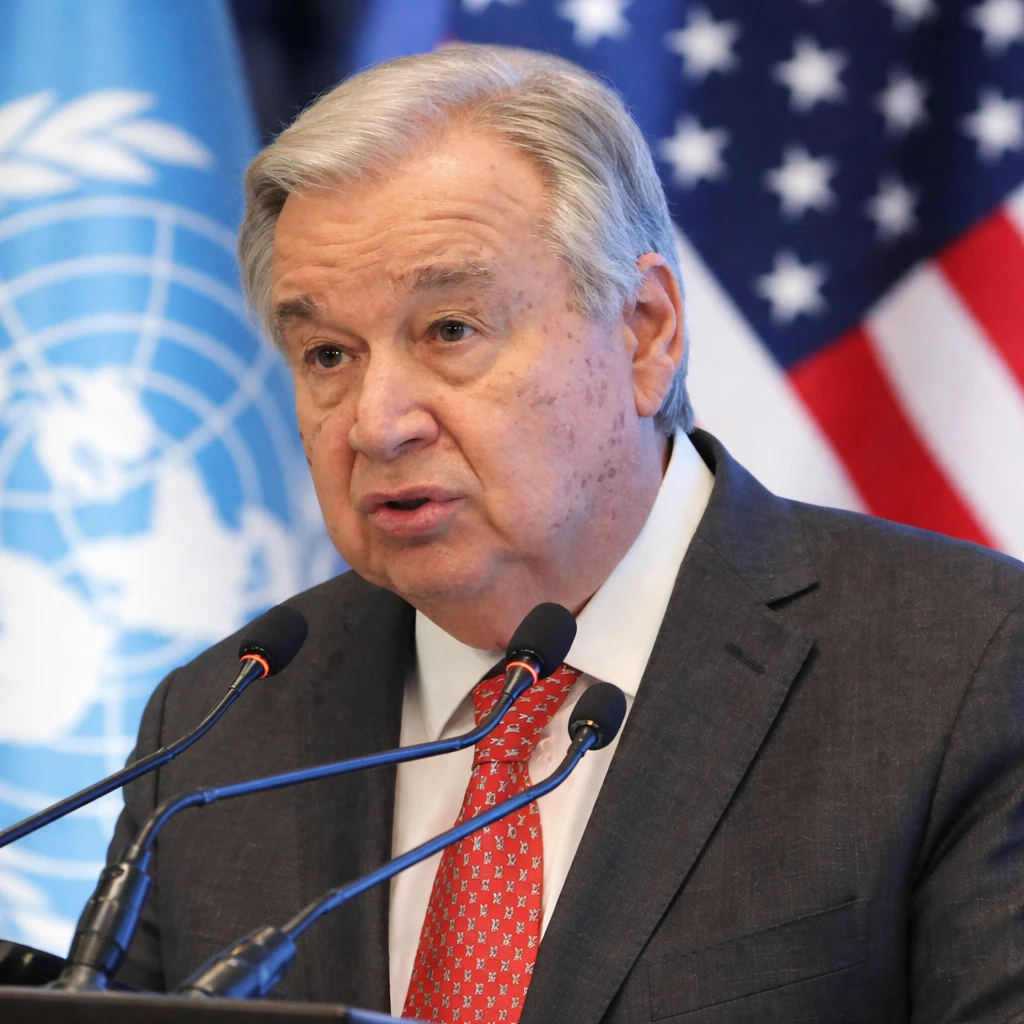
Antonio Guterres, the Secretary-General of the United Nations, responded with regret regarding the US decision, underscoring the nation's "legal obligation" to continue its financial contributions to the UN. Speaking through his spokesperson, Stephane Dujarric, he highlighted that assessed payments to the UN’s regular and peacekeeping budgets, as approved by the General Assembly, are mandated by the UN Charter for all member states, including the United States.
Despite the withdrawal, UN representatives affirmed that the affected agencies would maintain their operations, emphasizing the organization's commitment to those reliant on its programs. However, several UN officials refrained from publicly commenting on the situation due to the absence of detailed briefings or official notifications from the US government.
The decision follows a comprehensive review led by the Trump administration over the course of a year concerning US participation and financial support to various international organizations. This culminated in an executive order halting US involvement with 66 distinct groups, commissions, and agencies — many of which are affiliated with the UN and focus on issues such as labor rights, migration, climate change, and other initiatives categorized by the administration as overly focused on diversity or progressive agendas.
Among the entities impacted is the United Nations Population Fund, a global body providing vital sexual and reproductive health services. This agency has historically faced opposition from Republican lawmakers, and the Trump administration had previously withdrawn US funding during its initial term. The decision also includes the US exit from the United Nations Framework Convention on Climate Change (UNFCCC), an agreement between nearly 200 countries that supports climate change mitigation efforts, serving as the foundation for the Paris Agreement — from which the US also previously withdrew.
Simon Stiell, executive secretary of the UNFCCC, cautioned against the consequences of the US retreat, suggesting it would adversely affect the nation's economy, employment, and overall living standards amid increasingly severe environmental disasters such as wildfires, floods, and droughts. He remarked that, while the US could rejoin these frameworks in the future as it did with the Paris Agreement, the expanding commercial opportunities in clean energy and climate resilience continue to represent significant areas for American business and investment.
During press briefings, Dujarric noted that the UN and its entities were only informed about the US withdrawal through public sources, with no direct communication from American officials. This lack of formal engagement has left many agency representatives uncertain about the operational and financial ramifications.
The broader US decision to disengage from multiple international institutions reflects a pivot in the country’s global policy stance under the current administration, emphasizing a reevaluation of its role and financial commitments in multilateral organizations.